












Indonésie eSIM & cestovní průvodce: Zůstaňte ve spojení napříč souostrovím
Základní cestovní informace, rady k mobilnímu internetu a užitečné tipy pro vaši cestu do Indonesia.
Objevování Indonésie se spolehlivým mobilním internetem
Indonésie, největší souostroví na světě rozkládající se na více než 17 000 ostrovech, nabízí neuvěřitelnou mozaiku kultur, krajin a dobrodružství. Od rušných ulic Jakarty po klidné rýžové terasy Bali, starověké chrámy Yogyakarty a nedotčené pláže Gili ostrovů, Indonésie uchvacuje cestovatele svou rozmanitostí. Navigace po této rozlehlé zemi, ať už při přeskakování mezi ostrovy nebo objevování městských center, se se spolehlivým mobilním internetem výrazně zjednoduší. Přístup k mapám a navigačním aplikacím zajistí, že najdete cestu klikatými uličkami nebo odlehlými turistickými stezkami, zatímco rezervace dopravy, ubytování a vstupenek na cestách šetří čas a často i peníze. Komunikace s místními a dalšími cestovateli je obohacena díky překladovým aplikacím a udržování kontaktu s rodinou doma nebo řízení práce na dálku závisí na stabilním datovém připojení. V nouzových situacích může být rychlý přístup k místním tísňovým číslům, polohám nemocnic nebo cestovním doporučením klíčový.
Pro mnoho návštěvníků představuje eSIM (embedded SIM) praktickou alternativu k manipulaci s fyzickými SIM kartami nebo k potenciálně vysokým roamingovým poplatkům od jejich domovského operátora. Namísto přehazování vaší primární SIM karty a rizika ztráty nebo poškození si můžete digitálně stáhnout datový tarif pro cestování před nebo během vaší cesty. I když to není vždy nejlevnější možnost ve srovnání s místními fyzickými SIM kartami, pohodlí okamžité aktivace, možnost ponechat vaše domácí číslo aktivní pro důležité hovory nebo SMS (při vědomí roamingových poplatků na této lince) a vyhnutí se dlouhým frontám na letištních přepážkách činí eSIM atraktivní volbou pro moderní cestovatele. Při přípravě na vaši indonéskou cestu vám pochopení toho, jak mobilní připojení funguje a jaké možnosti jsou k dispozici, pomůže zůstat bez námahy ve spojení.
Mobilní internet v Indonésii: Pokrytí, rychlosti a realistická očekávání
Mobilní internet v Indonésii se za poslední desetiletí dramaticky zlepšil, ale její geografie přináší jedinečné výzvy. Ve velkých městech jako Jakarta, Surabaya, Bandung a Medan, stejně jako v oblíbených turistických destinacích, jako je Bali (Denpasar, Ubud, Kuta, Seminyak), Lombok a části Yogyakarty, je 4G LTE obecně spolehlivé a široce dostupné. Mnoho městských kaváren, hotelů a coworkingových prostor nabízí solidní připojení, což umožňuje práci na dálku. 5G se začalo zavádět v některých městských oblastech, především největšími operátory, ale stále není zdaleka všudypřítomné; cestovatelé by neměli očekávat konzistentní pokrytí 5G ani ve městech. Ve venkovských oblastech, horských regionech a odlehlých ostrovech – myslete na sumaterské vysočiny, Flores, Sumbu nebo odlehlé kouty Papuy – mohou být mobilní signály slabé, omezené na 3G nebo zcela chybějící. Turistická místa na menších ostrovech, jako jsou Gili nebo Nusa Penida, mají často slušné pokrytí, ale rychlosti mohou kolísat, zejména během hlavní turistické sezóny, kdy jsou sítě přetížené.
Pokrytí uvnitř budov se může výrazně lišit; silné betonové zdi v moderních budovách nebo tradiční bambusové konstrukce mohou signál zeslabit. Na přeplněných místech, jako jsou plážové kluby, chrámové komplexy během festivalů nebo veřejné akce, může přetížení výrazně zpomalit datové rychlosti i při plných signálových sloupcích. Celková kvalita vašeho připojení závisí na několika faktorech: kompatibilitě vašeho zařízení s indonéskými frekvenčními pásmy, konkrétním síťovém partnerovi, kterého váš eSIM tarif používá, vaší fyzické poloze vzhledem k mobilním vysílačům a přírodním či umělým překážkám. Cestovatelé používající eSIM by si měli uvědomit, že zatímco mnoho eSIM tarifů spolupracuje s jedním nebo více místními operátory, nemusí automaticky přepínat mezi všemi dostupnými sítěmi. Pokud je vaše datové připojení pomalé, možná budete muset ručně vybrat síť, i když tato funkce nemusí být dostupná u všech tarifů. Jako u každé destinace pomáhá mít realistická očekávání: v zastavěných oblastech a turistických centrech se můžete obecně spolehnout na slušné 4G, zatímco mimo vyšlapané cesty byste měli počítat s občasným výpadkem služby.
Místní mobilní operátoři a partnerství eSIM sítě
Indonésie má konkurenční mobilní trh s několika dobře zavedenými operátory. Telkomsel je tržní lídr, známý nejširším pokrytím sítě napříč souostrovím, včetně mnoha odlehlých oblastí, kde ostatní operátoři nemají přítomnost. Nabízí rozsáhlé 4G a rozšiřující se 5G služby ve velkých městech. Indosat Ooredoo Hutchison (často značený jako IM3 nebo Tri) je silný konkurent s robustním městským pokrytím a konkurenceschopnými datovými nabídkami, ačkoli jeho venkovská stopa je menší než u Telkomselu. XL Axiata poskytuje solidní služby v městských a příměstských oblastech s dobrou dostupností 4G a rostoucí sítí založenou na optických vláknech. Smartfren se historicky zaměřoval na technologii CDMA, ale přešel na LTE a nabízí datově orientované plány, i když jeho pokrytí je více koncentrováno v hustě osídlených regionech. Kromě toho řada virtuálních síťových operátorů a menších značek využívá infrastrukturu těchto hlavních sítí, často se zaměřením na datové balíčky pro specifické trhy.
Při nákupu eSIM pro Indonésii poskytovatel obvykle spolupracuje s jedním nebo více z těchto operátorů. Přesná sítě, které máte k dispozici, závisí výhradně na konkrétním plánu, který si vyberete. Některé eSIM nabízejí přístup k jedné síti, zatímco jiné mohou zahrnovat několik sítí a umožnit vašemu zařízení automaticky se připojit k nejsilnějšímu signálu – to však není zaručeno. Ruční výběr sítě může být možný, což vám umožní přepnout na jinou partnerskou síť, pokud je jedna pomalá, ale tato funkce se liší podle poskytovatele eSIM a vašeho zařízení. Navíc přístup k 5G závisí na plánu, podporovaných 5G pásmech vašeho zařízení a na tom, zda partnerský operátor nasadil 5G ve vaší oblasti. Je vhodné před nákupem zkontrolovat podrobnosti eSIM, abyste pochopili, které sítě jsou zahrnuty a zda jsou zmíněny funkce jako 5G nebo podpora více sítí. Mějte na paměti, že mapy pokrytí poskytované operátory jsou teoretické a skutečný výkon se může značně lišit v závislosti na místních podmínkách.
Objevování Indonésie: Od chrámů po pláže a dál
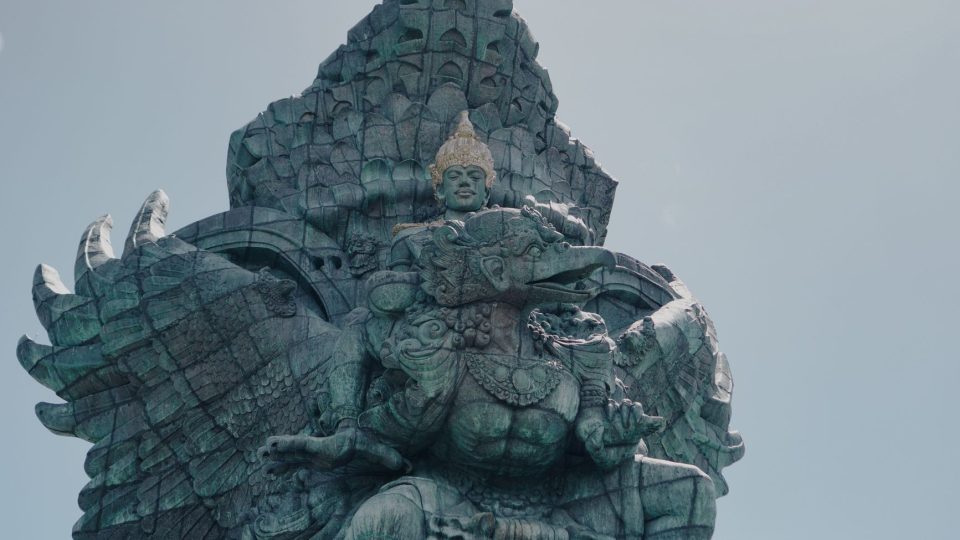
Indonésie odměňuje průzkumníky ohromující řadou atrakcí. V hlavním městě Jakartě nabízí Národní muzeum a staré město Kota Tua ponor do historie, zatímco moderní nákupní centra a pulzující pouliční scény s jídlem, jako je Jalan Jaksa, udržují návštěvníky zaujaté. Směrem na východ je Yogyakarta kulturním srdcem Jávy: nádherné chrámové komplexy Borobudur a Prambanan jsou památkami UNESCO, které přitahují davy při východu slunce. Dále na východ je měsíční krajina hory Bromo za úsvitu nezapomenutelným zážitkem, nejlépe zařízeným online rezervací – něco, co spolehlivé internetové připojení usnadňuje.
Bali, Ostrov bohů, nepotřebuje velké představení. Jižní pláže (Kuta, Seminyak, Nusa Dua) jsou určeny pro milovníky slunce a surfaře, zatímco Ubudské umělecké trhy, opičí les a terasovitá rýžová pole nabízejí zelenější a klidnější zážitek. Dramatický mořský chrám Tanah Lot a útesový chrám Uluwatu, zejména při západu slunce během tance Kecak, jsou vrcholy. Jen kousek od pobřeží odhaluje drsné pobřeží Nusa Penidy fotogenická místa jako Kelingking Beach. Pro nadšence podmořského světa nabízejí Gili Islands a jižní pobřeží Lomboku vynikající šnorchlování a potápění. Národní park Komodo ve Východní Nusa Tenggara je domovem slavných draků a pyšní se dechberoucími růžovými plážemi a světově proslulými potápěčskými lokalitami. Dále na východ je Raja Ampat v Západní Papui biodiverzním rájem pro potápěče, zatímco Sumatra nabízí setkání s orangutany v Bukit Lawang a klidné kráterové jezero Toba. Na Sulawesi fascinují antropologicky zaměřené cestovatele propracované pohřební obřady a jedinečná architektura Tana Toraja.
Používání mobilního internetu při prohlídce památek se ukazuje jako neocenitelné: okamžitý překlad cedulí a jídelních lístků, GPS navigace k méně známým vodopádům, aktuální informace o trajektových jízdních řádech mezi ostrovy a rychlý přístup k hodnocení ostatních pro spontánní výběr restaurace. Rezervace vstupenek na atrakce, jako jsou prohlídky Borobuduru při východu slunce nebo rychlé lodě na Gilis, je často levnější online a zaručuje vaše místo. Navíc sdílení vašich dobrodružství na sociálních sítích, nahrávání fotografií nebo kontrola s blízkými se stává bezproblémovým díky stabilnímu datovému připojení.
Indonéská kultura, kuchyně a cestovní tipy

Indonéská kulturní rozmanitost je ohromující: přes 300 etnických skupin přispívá svými osobitými jazyky, tradicemi a uměleckými formami. Zatímco Bahasa Indonésie je sjednocujícím jazykem, uslyšíte javánštinu, sundštinu, balijštinu a mnoho dalších místních jazyků. Náboženství je hluboce propleteno s každodenním životem; Indonésie má největší muslimskou populaci na světě, ale Bali vyniká jako hinduistická enkláva a buddhismus, křesťanství a animistické víry mají také silné zastoupení. Tato mozaika vytváří cestovatelský zážitek, který je jak živý, tak nuancovaný.
Jídlo je ústřední součástí indonéské cesty. Národní pokrmy jako nasi goreng (smažená rýže), sate (grilované maso na špejli s arašídovou omáčkou) a gado-gado (zeleninový salát s arašídovým dresinkem) jsou všudypřítomné. Nenechte si ujít rendang, pomalu vařené kořeněné hovězí ze Západní Sumatry, často označované za jedno z nejchutnějších jídel na světě. Pouliční jídlo, od martabaku (plněná palačinka) po bakso (polévka s masovými kuličkami), nabízí cenově dostupné a autentické chutě. Používání aplikací pro rozvoz jídla nebo recenze vám může pomoci objevit skryté warungy (malé restaurace).
Pokud jde o etiketu, úcta k místním zvyklostem má velký význam. Při návštěvě náboženských míst se oblékejte skromně – na chrámy na Bali si vezměte sarong, i když mnohé je půjčují. Pravá ruka se používá k dávání a přijímání předmětů, protože levá je považována za nečistou. Veřejné projevy náklonnosti jsou obecně konzervativní, zejména na venkově. Během ramadánu mnoho muslimů drží půst, a přestože se neočekává, že by turisté postili, je oceněno, když jsou diskrétní ohledně jídla a pití během denního světla na veřejnosti.
Dopravní možnosti jsou rozmanité: ve městech jsou aplikace pro spolujízdu jako Gojek a Grab velmi oblíbené a závislé na datech; můžete si objednat auto nebo mototaxi, abyste se vyhnuli dopravním zácpám. Na ostrovech nabízí pronájem skútru svobodu, ale ujistěte se, že máte mezinárodní řidičský průkaz a rozumíte místním dopravním pravidlům – silnice mohou být chaotické. Pro cestování mezi ostrovy jsou normou trajekty a lety; online rezervace a odbavení šetří čas. Méně známé destinace, jako jsou Derawanské ostrovy pro medúzy bez žahadel, Wakatobi pro potápění nebo náhorní plošina Dieng pro starobylé chrámy a vulkanickou krajinu, nabízejí klidnější alternativy, ale často vyžadují pečlivé plánování, kde přístup k internetu pomáhá ověřit jízdní řády a rezervovat průvodce.
Nastavení vaší eSIM pro Indonésii: Průvodce krok za krokem
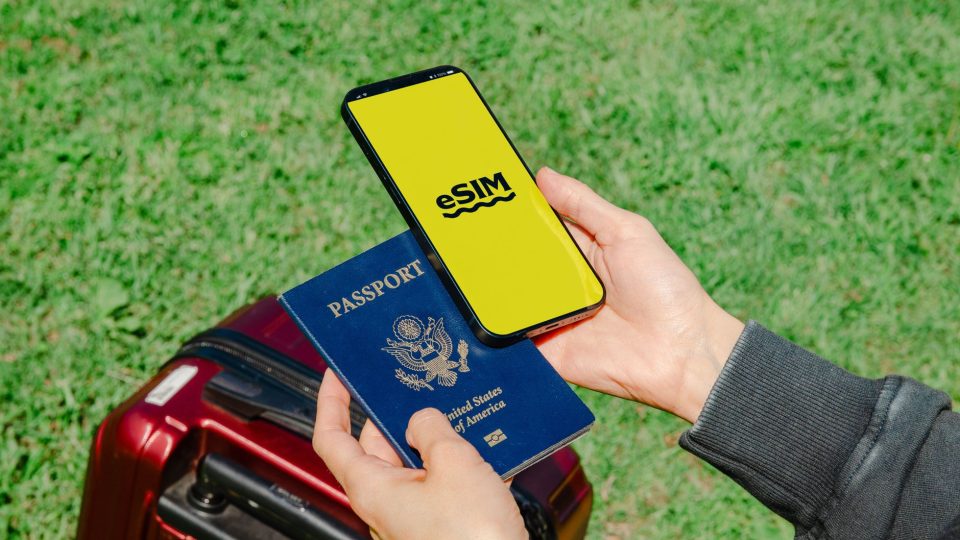
Před zakoupením eSIM se ujistěte, že vaše zařízení podporuje technologii eSIM a je odemčené. Většina nejnovějších iPhonů, špičkových telefonů s Androidem a některé tablety jsou kompatibilní, ale nejlépe je zkontrolovat specifikace výrobce. Jakmile si vyberete a zakoupíte vhodný eSIM tarif pro Indonésii, obvykle obdržíte e-mailem QR kód a pokyny k instalaci. Doporučuje se nainstalovat eSIM při stabilním připojení k Wi-Fi, protože stahování vyžaduje přístup k internetu.
Naskenujte QR kód v nastavení zařízení (obvykle v sekci Mobilní data nebo Mobilní síť) a postupujte podle pokynů pro přidání nového tarifu. Můžete být požádáni o pojmenování tarifu – pojmenováním „Indonésie - cestování“ jej snadno odlišíte od své hlavní linky. Během instalace můžete nakonfigurovat, kterou linku použít pro mobilní data; vyberte svou novou eSIM pro data a ponechte svou primární SIM aktivní pouze v případě, že potřebujete hovory nebo SMS, ale mějte na paměti případné roamingové poplatky. Abyste předešli náhodnému využití dat na primární SIM, vypněte mobilní data na této lince v nastavení. Někteří poskytovatelé eSIM vyžadují povolení datového roamingu na eSIM lince, proto zkontrolujte poskytnuté pokyny.
Důležité: neodstraňujte eSIM, pokud si nejste naprosto jisti, že ji již nebudete potřebovat, protože někteří poskytovatelé neumožňují opětovnou instalaci bez zakoupení nového tarifu. QR kód a podrobnosti o aktivaci uchovávejte v bezpečí až do konce vaší cesty. Doba aktivace se liší: některé eSIM se aktivují ihned po instalaci, zatímco jiné začnou fungovat až po úspěšném připojení k podporované síti v Indonésii. Pokud narazíte na problémy, začněte základním řešením potíží: restartujte zařízení, ujistěte se, že je eSIM linka zapnutá, a ověřte, zda nastavení APN odpovídá údajům poskytnutým operátorem eSIM. Ruční výběr jiné sítě z dostupného seznamu může někdy vyřešit pomalé nebo nefunkční datové připojení. Trpělivost a trocha přípravy před cestou zajistí, že budete připojeni ihned po přistání, připraveni snadno objevovat Indonésii.
Připraveni cestovat do Indonesia?
Vyberte si eSIM před odjezdem a připojte se k mobilnímu internetu ihned po příjezdu.