Simple login
Request code
Login
eSim Világnet
North America
north america

You can count on us wherever you go
Fix
Unlimited
1 day
7 days
15 days
30 days


Quantity
Promo code
Activate promotional code
0.49GB/1nap
Total
2,98 Eur
Billing details
Payment

This eSIM can be used in the following countries
Plan details

Subscription type
Data only

Subscription activation
Immediately or within 60 days
Immediately

Balance top-up
Possible at any time

Technology
eSIM

Delivery
Instant email delivery

Network selection
Automatically connects to the fastest available network

Sharing
Enabled (depends on the carrier)
Device compatibility
Phone, tablet & router

Device compatibility
Phone only
North America eSIM & Travel Guide: Stay Connected Across Canada, the USA and Mexico
Essential travel information, mobile internet advice and useful tips for your journey to North America.
01
north america Travel Guide
Introduction to North America

North America is a continent of staggering diversity, stretching from the Arctic reaches of Canada to the tropical beaches of Mexico. It encompasses a mix of cultures, languages, and landscapes: cosmopolitan cities like New York, Los Angeles, Toronto, and Mexico City; vast wilderness areas such as the Rocky Mountains, the Grand Canyon, and Algonquin Park; and historic sites from pre-Columbian civilizations to colonial landmarks. Travelling across this region often means navigating multiple countries with different currencies, official languages, and mobile network infrastructures.
Having a reliable internet connection while exploring North America is not just a convenience – it can be essential for a smooth trip. Mobile data helps you use map and navigation apps to find your way through unfamiliar streets or remote highways, book accommodations and transport on the go, and access digital tickets for flights, trains, or attractions. Communication with friends, family, or local service providers via messaging apps and video calls becomes seamless, and you can use translation tools for French-speaking Quebec or Spanish-speaking Mexico. For the growing number of digital nomads and remote workers, stable internet enables you to keep working while enjoying the continent’s beauty. In case of emergencies, you can quickly look up nearby hospitals, embassy contacts, or severe weather alerts.
A travel eSIM provides a practical way to access mobile data without the need to buy a physical SIM card at each border or rely on your home operator’s roaming service. An eSIM is embedded in your phone and can be activated with a QR code, giving you instant access to a local data plan. While it may not always be the cheapest option, an eSIM often offers flexibility and can help you avoid unexpected roaming charges. For visitors to North America, an eSIM can cover multiple countries under one plan, simplifying connectivity as you move between Canada, the United States, and Mexico.
02
north america Travel Guide
Mobile Internet in North America: Coverage, Speeds and What to Expect

Mobile internet in North America is generally of high quality, especially in urban and suburban areas. Most cities across the United States, Canada, and Mexico offer extensive 4G LTE coverage, and 5G networks are expanding rapidly in many metropolitan regions. However, coverage and speeds can vary dramatically depending on your location.
In major US cities like New York, Los Angeles, Chicago, and San Francisco, you can usually expect strong 4G and increasingly widespread 5G signals from multiple carriers. Similarly, Canadian hubs such as Toronto, Vancouver, and Montreal provide reliable connectivity. In Mexico, large cities like Mexico City, Guadalajara, and Monterrey have good 4G coverage, with 5G starting to appear in select zones.
Once you leave city centers, the situation becomes more uneven. In rural and remote areas – including large parts of the American Midwest, the Canadian north, and mountainous regions in Mexico – mobile coverage can be patchy or even nonexistent. National parks like Yellowstone, Banff, or the Grand Canyon often have limited or no signal, which visitors should anticipate for safety and trip planning. Tourist hotspots may have decent coverage near visitor centers but nothing on hiking trails.
Indoor coverage can also be inconsistent. In buildings with thick walls, basements, or in some older structures, signal strength may drop, even in well-covered areas. In very crowded places such as Times Square, major festivals, or busy airports, networks can become congested, resulting in slower data speeds despite a full signal bar. Factors like your device’s compatibility with local frequency bands, weather conditions, and the specific eSIM plan’s partner network all influence the actual experience. It’s important to understand that no network guarantees universal coverage, and your connectivity will depend on the partner networks your eSIM provider uses.
03
north america Travel Guide
Mobile Network Operators in North America
North America has a competitive mobile telecommunications market with several well-established network operators. In the United States, the three major facilities-based carriers are Verizon, AT&T, and T-Mobile. Verizon is known for its historically broad coverage, especially in rural areas, and has invested heavily in 5G. AT&T offers extensive 4G LTE and 5G networks and is a common choice for travellers. T-Mobile has expanded its network significantly, particularly with 5G, and often provides strong urban coverage. Many virtual network operators (MVNOs) such as Mint Mobile, Visible, and Cricket Wireless piggyback on these major networks, offering lower-cost plans with varying levels of service.
In Canada, the dominant operators are Rogers, Bell, and Telus. These three companies share network infrastructure in many parts of the country, so coverage can be similar among them. Rogers offers widespread 4G and growing 5G, particularly in cities. Bell and Telus operate a shared radio access network, providing extensive coverage across Canada’s populated areas, though remote northern regions remain challenging for all carriers.
Mexico’s mobile market is led by Telcel (part of América Móvil), which has the largest network reach, including many rural areas. AT&T Mexico and Movistar (Telefónica) are also significant players, with good coverage in cities and tourist destinations. MVNOs like Unefon and Bait operate on these infrastructures.
When you use a North America eSIM, your data connection typically relies on one or more of these operators’ networks, depending on the plan you select. Some eSIM plans may partner only with a single operator per country, while others might allow automatic switching between partner networks, though this is not universal. 5G access is usually available only if your device supports the specific 5G bands used by the partner network and your plan includes 5G. Manual network selection may be possible on some plans, but often the eSIM is locked to a preferred roaming partner. Always check the eSIM provider’s network list before purchasing to ensure it covers the areas you plan to visit.
04
north america Travel Guide
Top Sights and Experiences Across North America

North America is a treasure trove of iconic sights and experiences. In the United States, New York City dazzles with landmarks like the Statue of Liberty, Times Square, Central Park, and world-class museums such as the Metropolitan Museum of Art. San Francisco offers the Golden Gate Bridge and Alcatraz Island, while Los Angeles is synonymous with Hollywood, beaches, and Disneyland. Natural wonders include the Grand Canyon in Arizona, the geothermal marvels of Yellowstone National Park, and the stunning waterfalls of Yosemite. For road trip enthusiasts, Route 66 and the Pacific Coast Highway provide unforgettable drives through diverse scenery.
Canada’s draws are equally impressive. Niagara Falls, shared with the US, is a must-see, especially the view from the Canadian side. The vibrant cities of Toronto (with its CN Tower and multicultural neighborhoods), Vancouver (nestled between mountains and ocean), and historic Quebec City (a UNESCO World Heritage site) blend modernity with charm. Banff and Jasper National Parks in the Rocky Mountains offer breathtaking alpine lakes, hiking, and wildlife. For a unique train journey, the Rocky Mountaineer traverses spectacular landscapes.
Mexico captivates with its rich history and natural beauty. Mexico City is a bustling metropolis with ancient ruins of Teotihuacan just outside the city, world-class museums like the Museo Nacional de Antropología, and vibrant street life. The Yucatán Peninsula is home to Cancún’s beaches and the famed Mayan ruins of Chichén Itzá, a wonder of the world. Oaxaca and San Miguel de Allende charm with colonial architecture and indigenous traditions. The Copper Canyon in Chihuahua offers a train ride through dramatic canyonlands.
Having mobile internet while sightseeing enriches these experiences. You can use mapping services to navigate to remote trailheads, book last-minute tickets to skip lines, translate informational signs in Spanish or French, and instantly share photos of the Grand Canyon or Chichen Itza. In cities, apps help you find highly rated local restaurants, check public transport schedules, or summon rideshares. For outdoor adventures, a connection allows you to check weather updates or download offline maps in advance when you have a signal.
05
north america Travel Guide
Interesting Facts and Cultural Insights for North America Travelers

Travelling through North America reveals a patchwork of cultures and customs that can surprise first-time visitors. Tipping is a deeply ingrained practice in Canada and the United States, where waitstaff, bartenders, and taxi drivers typically expect 15–20% of the bill; Mexico also tips but at a slightly lower rate (10–15%). Not leaving a tip can be seen as rude. Road etiquette varies: Americans and Canadians drive on the right, as in Mexico, but in Mexico City, local driving can be more aggressive and informal.
Culinary traditions differ widely. In Quebec, try poutine (fries with gravy and cheese curds) and maple syrup products. The US South is famous for barbecue, fried chicken, and Tex-Mex flavours, while coastal areas offer lobster rolls and clam chowder. Mexico’s cuisine, a UNESCO Intangible Cultural Heritage, ranges from street tacos al pastor to complex moles. Don’t miss fresh ceviche, tamales, and aguas frescas. In all three countries, portion sizes can be large.
Festivals color the calendar. Mardi Gras in New Orleans, Canada Day on July 1st, and Independence Day (July 4th) in the US are boisterous national celebrations. Mexico’s Día de los Muertos (Day of the Dead) in early November is a unique fusion of indigenous and Catholic traditions, with elaborate altars and parades. Winter brings Christmas markets and New Year’s Eve parties in major cities.
Public transportation systems are excellent in cities like New York (subway), Toronto (TTC), and Mexico City (metro), but North America is predominantly car-dependent, especially in suburbs and rural areas. Renting a car is often the best way to explore national parks and small towns. Keep in mind that crossing borders by land may require visas or tourist cards, and mobile connectivity might drop near border zones as your phone tries to switch networks.
Regional differences in language are pronounced: English is the lingua franca, but French is dominant in Quebec, and Spanish is the primary language in Mexico; however, you’ll encounter Spanish widely in parts of the US as well. Power outlets use Type A or B plugs with 120V voltage, so bring a suitable adapter if needed. Time zones span four main ones across the continent, from Pacific to Eastern. With an eSIM, you can quickly look up local customs, translate menus, or check event schedules, making cultural immersion smoother.
06
north america Travel Guide
How to Set Up and Activate Your North America eSIM
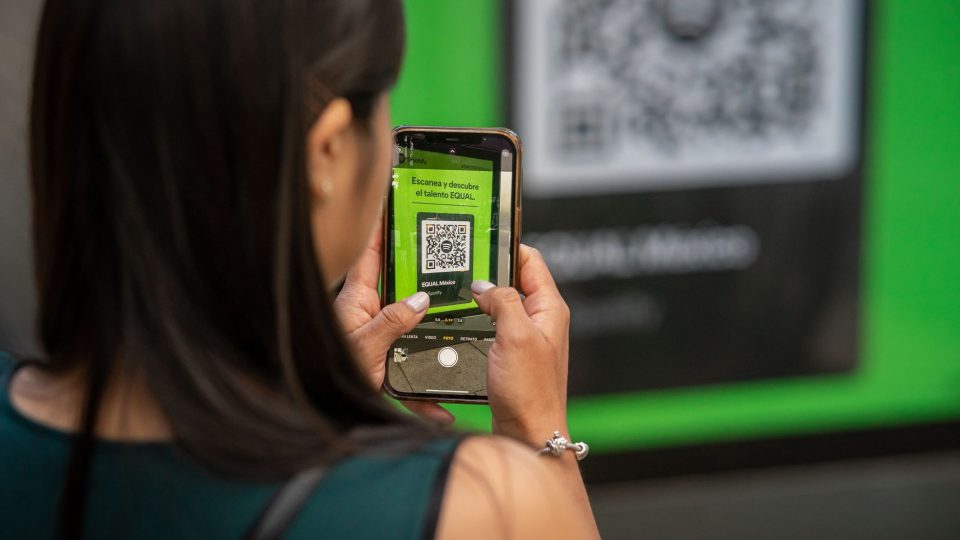
Setting up a North America eSIM is a straightforward process, but careful steps ensure a trouble-free experience. Before purchasing, confirm that your smartphone supports eSIM technology – most recent iPhones (XR and later), Google Pixels, and high-end Samsung Galaxy devices do. The phone must also be network-unlocked; contact your home carrier if unsure.
After buying a plan, you’ll typically receive a QR code via email. Install the eSIM while connected to a stable Wi-Fi network. On your device, go to Settings > Cellular/Mobile Data > Add eSIM, then scan the QR code or enter the activation details manually if provided. Some providers offer app-based installation that bypasses the QR step. During setup, you can label the eSIM (e.g., “Travel North America”) for easy identification.
Once installed, configure your device to use the eSIM for data: set it as the primary data line in your cellular settings. You may need to enable Data Roaming on this line, as many travel eSIMs rely on roaming agreements with local networks. Be sure to keep your primary SIM’s data roaming switched off to avoid accidental charges from your home operator. On iPhones, you can also turn off “Allow Cellular Data Switching” to prevent the phone from using your primary SIM for data if the eSIM signal is weak.
Activation timing varies: some eSIM plans activate as soon as you install them, while others only start when the eSIM connects to a supported network in North America. Check your provider’s policy. Keep the QR code and any activation details until your trip ends, as you may need to reinstall the eSIM if troubleshooting is required. Do not delete the eSIM unless the provider advises, because once a profile is removed, it often cannot be reinstalled with the same QR code.
If you encounter connection issues after arrival, try simple troubleshooting: restart your device, ensure the APN settings are correct (some eSIMs require a specific APN; the provider’s instructions will state this), and attempt manual network selection in your device’s network settings, though this option may be restricted. If problems persist, contact your eSIM provider’s customer support, preferably through a secondary internet source or Wi-Fi.
Stay connected while travelling
Ready to travel to North America?
Choose your eSIM before departure and connect to mobile internet as soon as you arrive.
✓ Instant delivery
✓ No physical SIM card
✓ Keep your existing number
✓ Easy QR code installation
Back to eSIM plans
Secure online purchase