











Vietnam eSIM and Travel Guide
Essential travel information, mobile internet advice and useful tips for your journey to Vietnam.
Introduction to Vietnam

Vietnam is a captivating Southeast Asian destination known for its breathtaking landscapes, rich history, and vibrant street life. From the terraced rice fields of Sapa to the limestone karsts of Ha Long Bay and the bustling streets of Ho Chi Minh City, the country offers a diverse range of experiences. Reliable mobile internet is essential for modern travellers navigating Vietnam. Whether you are using map applications to find your way through the winding alleys of Hanoi's Old Quarter or booking last-minute accommodation in a coastal town, staying connected makes your journey smoother. Digital tickets for flights, trains, and buses are increasingly common, and having instant access to your bookings reduces stress. Communication with locals and fellow travellers is enhanced through translation apps, and sharing your adventures on social media requires a dependable data connection. For digital nomads, a stable internet connection is crucial for remote work, allowing you to answer emails or attend video calls from a café in Da Nang or a homestay in the Mekong Delta. In case of emergencies, having access to up-to-date weather alerts, health information, and contact with your embassy can be vital.
An eSIM can be a convenient alternative to purchasing a physical SIM card or using your home operator's roaming service. Rather than finding a local SIM vendor, you can buy and install an eSIM before or during your trip, often with immediate activation. This eliminates the need to swap physical SIM cards and allows you to keep your primary number active for calls and texts while using a separate data plan. It is worth comparing different options, as an eSIM plan may not always be the cheapest solution for your specific needs.
Mobile Internet in Vietnam
Vietnam has a well-developed mobile network infrastructure, particularly in urban areas and popular tourist destinations. 4G coverage is widespread across most cities, towns, and along major highways. In large cities like Hanoi, Ho Chi Minh City, and Da Nang, you can generally expect a reliable 4G signal, with decent speeds for browsing, streaming, and video calls. 5G networks have been introduced in limited areas, primarily in city centers, but availability is not yet universal and cannot be guaranteed for every user. If your device supports 5G and your chosen eSIM plan includes it, you may experience faster speeds in select locations, but you should not rely on 5G coverage throughout your travels.
The mobile network experience differs considerably when moving beyond urban centers. In rural and mountainous regions, such as the northern highlands or the Central Highlands, coverage can be patchy. While most provincial towns have solid 4G, remote villages and national parks may only offer 3G or even no signal at all. Popular tourist regions like Ha Long Bay, Hoi An, and Nha Trang typically have good coverage, but when venturing to more remote islands, such as those in the Con Dao archipelago or the less touristy parts of Phu Quoc, connectivity might be inconsistent. Indoor coverage inside thick-walled buildings, temples, or underground spaces can also weaken the signal.
Network congestion is another factor. During peak hours, festivals, or in crowded spots like night markets, you may notice slower data speeds even with a full signal. Heavy usage by many subscribers simultaneously can reduce available bandwidth. Additionally, the actual speed and signal quality depend on your device's compatibility with the local frequencies, the specific eSIM plan you selected, and the partner network you are connected to. Not all plans offer the same network access or priority, so it is wise to read the plan details carefully.
Mobile Network Operators in Vietnam
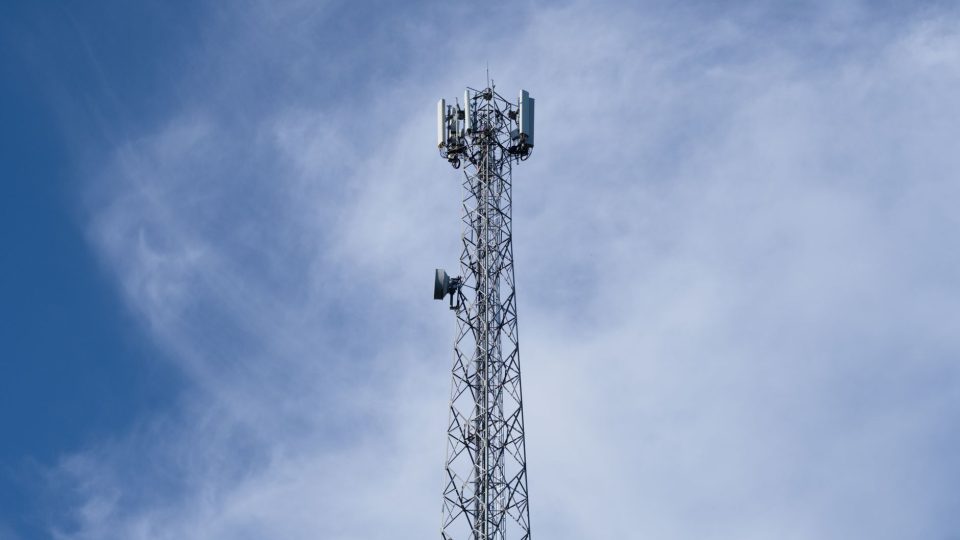
Vietnam's mobile market is primarily served by three major network operators: Viettel, Vinaphone, and Mobifone. Viettel is the largest provider, offering the most extensive nationwide coverage, including many rural and remote areas. It is state-owned and known for its robust network infrastructure. Vinaphone, another leading operator, also provides strong coverage, particularly in urban and suburban regions, and is widely used by both locals and visitors. Mobifone is the third major player, with a solid presence in cities and tourist hubs, often providing competitive services. In addition, there are smaller operators like Vietnamobile, which primarily focuses on urban areas and often operates as a mobile virtual network operator (MVNO) using the infrastructure of larger networks.
When you purchase an eSIM for Vietnam, the provider typically partners with one or more of these established operators. The specific network or networks available to you will depend on the plan you select. Some eSIM plans offer access to a single partner network, while others may include multiple networks, allowing manual or automatic selection. Manual network selection might be available on your device, but it is not guaranteed, and automatic switching between operators is not always enabled. You should check the eSIM provider's documentation to understand which networks are accessible and whether you can choose manually.
5G access is also plan-dependent. Even if the local operator has 5G coverage, your eSIM may only support 4G/LTE unless explicitly stated otherwise. Always verify whether 5G is included. Virtual operators, such as Vietnamobile, rely on the infrastructure of larger networks, which may affect speed, latency, or coverage compared to using the host network directly. To avoid confusion, review the technical specifications of your eSIM plan before purchase.
Sightseeing and Travel Highlights in Vietnam

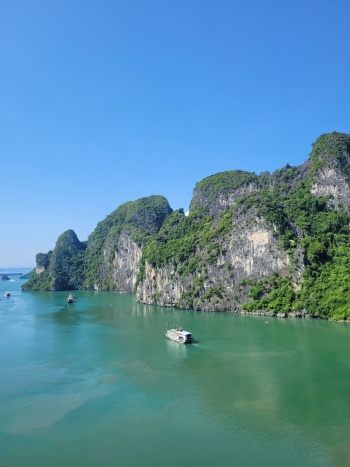
Vietnam's attractions are as diverse as its geography. In the north, Hanoi, the capital, is a blend of ancient pagodas, French colonial architecture, and vibrant street markets. The Old Quarter, with its 36 streets, is a must-visit, and the Ho Chi Minh Mausoleum offers historical insight. Just east of Hanoi, Ha Long Bay is a UNESCO World Heritage site, famous for its emerald waters and thousands of limestone islands. A boat cruise here is an unforgettable experience. Further inland, Sapa's terraced rice fields and minority villages provide spectacular trekking opportunities.
Central Vietnam boasts the ancient town of Hoi An, a beautifully preserved trading port with lantern-lit streets, tailor shops, and riverside cafes. Nearby, the imperial city of Hue houses the Citadel and royal tombs, reflecting the Nguyen Dynasty's grandeur. Da Nang, a modern coastal city, serves as a gateway to both Hoi An and Hue, with attractions like the Marble Mountains and My Khe Beach. The Hai Van Pass offers one of the most scenic coastal drives in the world.
In the south, Ho Chi Minh City (formerly Saigon) is a dynamic metropolis with landmarks such as the War Remnants Museum, Notre-Dame Cathedral, and the Cu Chi Tunnels just outside the city. The Mekong Delta is a vast maze of rivers, swamps, and islands, where you can explore floating markets and traditional villages. Phu Quoc Island, in the Gulf of Thailand, is known for white-sand beaches and clear waters, perfect for snorkeling and diving. Other notable destinations include the karst landscapes of Ninh Binh, often called "Ha Long Bay on land," and the cool highland town of Da Lat, with its French colonial villas and flower gardens.
Throughout your sightseeing, mobile internet proves invaluable. Use your phone to navigate with GPS maps, translate local signs or menus, look up historical context for landmarks, book last-minute entrance tickets, and find highly rated local restaurants. With a reliable connection, you can also share your experiences in real-time and quickly access emergency services if needed.
Interesting Facts and Cultural Tips for Vietnam

Vietnamese culture is deeply rooted in family values, respect for elders, and a blend of indigenous traditions with Chinese and French influences. When greeting someone, a slight bow or nod is common, and addressing people with their title (Mr., Mrs., etc.) shows respect. Removing shoes before entering homes and some temples is customary. When dining, it is polite to wait for the eldest person to start eating first. Chopsticks are the main utensils, and passing food directly from one pair of chopsticks to another is avoided, as it resembles a funeral ritual.
The cuisine is a highlight, with dishes varying significantly between the north, central, and south. Northern food tends to be less spicy and more subtle, with famous dishes like pho bo (beef noodle soup) and bun cha (grilled pork with noodles). Central cuisine, influenced by the royal heritage of Hue, is often spicier and more elaborate, featuring small, intricate dishes. Southern food is sweeter and uses more coconut milk, with popular items such as banh mi (Vietnamese baguette) and hu tieu (clear noodle soup). Street food is ubiquitous and generally safe to eat, but ensure it is freshly prepared and from a busy stall.
Festivals follow the lunar calendar, with Tet (Lunar New Year) being the most important celebration, usually occurring in late January or early February. During Tet, families reunite, homes are decorated, and special foods are prepared. Other notable festivals include the Mid-Autumn Festival, when children carry lanterns and mooncakes are shared, and the Hue Festival, a biennial cultural event showcasing traditional arts. Transport habits are dominated by motorbikes, especially in cities, creating chaotic traffic that can be intimidating for pedestrians. Crossing the street requires a steady, predictable pace to allow riders to navigate around you. For longer distances, sleeper buses and trains are popular and offer an affordable way to travel overnight.
Lesser-known destinations offer richer cultural immersion: Ha Giang Province in the far north has stunning mountain passes and ethnic minority communities; Phong Nha-Ke Bang National Park boasts some of the world's largest caves; and the southern island of Con Dao offers pristine nature and historical prison sites. Learning a few Vietnamese phrases, such as "xin chào" (hello) and "cảm ơn" (thank you), can go a long way in connecting with locals.
How to Activate Your Vietnam eSIM
Before purchasing an eSIM, confirm that your device supports eSIM technology. Most recent smartphones from Apple, Samsung, Google, and other manufacturers include eSIM functionality, but older or budget models may not. Also, ensure your device is network-unlocked; a locked phone tied to a specific carrier will not accept an eSIM from another provider. You can typically check these details in your device settings or by contacting your home carrier.
After purchasing an eSIM online, the provider will supply a QR code and/or manual activation details via email or within an app. To install the eSIM, connect to a reliable Wi-Fi network, as the installation process requires internet access. Go to your device's cellular or mobile data settings, select "Add Cellular Plan" or "Add eSIM," and use your camera to scan the QR code. If scanning isn't possible, you can enter the activation details manually. Follow the on-screen instructions to complete the installation.
Once installed, designate the eSIM as your data line. On most devices, you can choose which SIM to use for mobile data; select the newly installed eSIM. Depending on the provider's instructions, you may need to enable data roaming for the eSIM line, even if you are not roaming in the traditional sense, as some eSIMs route data through a home network. Failure to enable roaming when required could prevent your data from working.
To avoid unexpected charges, prevent your primary SIM from using cellular data. You can turn off data roaming on your primary SIM, disable mobile data entirely for that line, or set a data limit. This ensures that your home operator does not charge you for roaming data. Keep the QR code and activation information stored safely; some providers allow reinstallation only a limited number of times, and you may need to reactivate if you reset your device. Do not delete an eSIM unless the provider confirms it can be reinstalled without purchasing a new plan.
If you encounter connectivity issues, try restarting your device, checking that the eSIM line is enabled, and verifying the APN (Access Point Name) settings against the provider's instructions. You can also attempt manual network selection to force a connection to a supported partner network. Finally, note that activation timing varies: some eSIMs activate immediately upon installation, while others activate only when you connect to a supported network at your destination. Always read the plan's activation policy before travel.
Ready to travel to Vietnam?
Choose your eSIM before departure and connect to mobile internet as soon as you arrive.