













Indonesia eSIM & Travel Guide: Stay Connected Across the Archipelago
Essential travel information, mobile internet advice and useful tips for your journey to Indonesia.
Discovering Indonesia with Reliable Mobile Internet
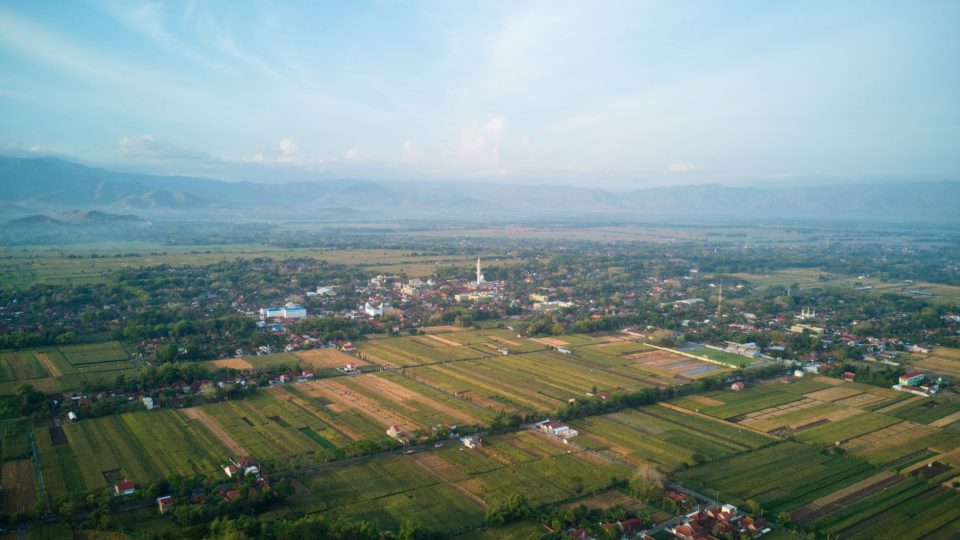
Indonesia, the world’s largest archipelago stretching across more than 17,000 islands, offers an incredible tapestry of cultures, landscapes, and adventures. From the bustling streets of Jakarta to the serene rice terraces of Bali, the ancient temples of Yogyakarta, and the pristine beaches of the Gili Islands, Indonesia captivates travelers with its diversity. Navigating this vast country, whether island-hopping or exploring urban centers, becomes significantly smoother with reliable mobile internet. Access to maps and navigation apps ensures you find your way through winding alleyways or remote trekking paths, while booking transport, accommodation, and entry tickets on the go saves time and often money. Communication with locals and fellow travelers is enriched through translation apps, and staying in touch with family back home or managing remote work tasks relies on a steady data connection. In emergencies, quick access to local emergency numbers, hospital locations, or travel advisories can be vital.
For many visitors, an eSIM (embedded SIM) presents a practical alternative to juggling physical SIM cards or facing potentially high roaming fees from their home operator. Instead of swapping your primary SIM and risking loss or damage, you can digitally download a travel data plan before or during your trip. While not always the cheapest option compared to local physical SIMs, the convenience of instant activation, the ability to keep your home number active for essential calls or SMS (while being mindful of roaming charges on that line), and avoiding long queues at airport kiosks make eSIMs an attractive choice for modern travelers. As you prepare for your Indonesian journey, understanding how mobile connectivity works and what options are available will help you stay connected effortlessly.
Mobile Internet in Indonesia: Coverage, Speeds, and Realistic Expectations
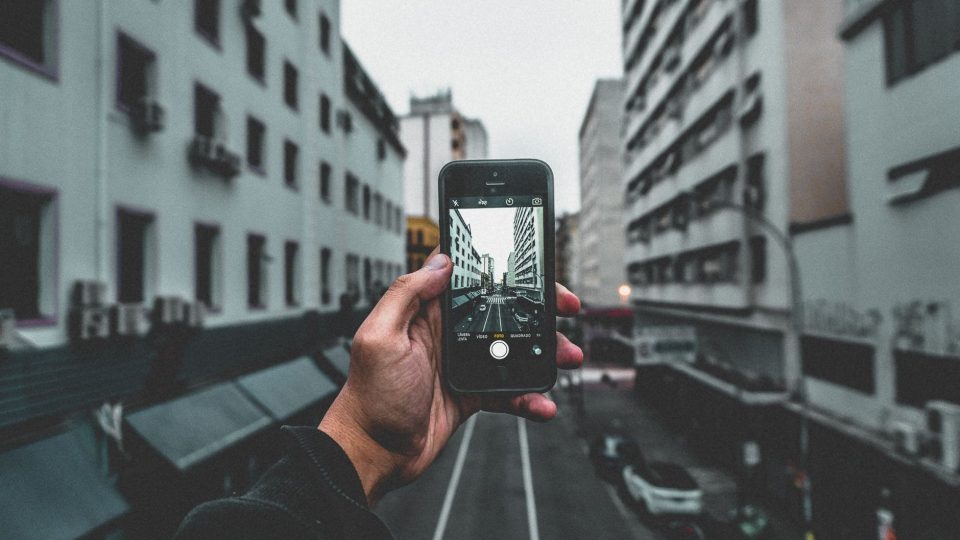
Indonesia’s mobile internet landscape has improved dramatically over the past decade, but its geography presents unique challenges. In major cities like Jakarta, Surabaya, Bandung, and Medan, as well as popular tourist destinations such as Bali (Denpasar, Ubud, Kuta, Seminyak), Lombok, and parts of Yogyakarta, 4G LTE is generally reliable and widely available. Many urban cafes, hotels, and coworking spaces offer solid connectivity, making remote work feasible. 5G has begun rolling out in select urban areas, primarily by the largest operators, but it remains far from ubiquitous; travelers should not expect consistent 5G coverage even in cities. In rural regions, mountainous areas, and remote islands—think Sumatra’s highlands, Flores, Sumba, or the far corners of Papua—mobile signals may be patchy, limited to 3G, or entirely absent. Tourist hotspots on smaller islands like the Gilis or Nusa Penida often have decent coverage, but speeds can fluctuate, especially during peak tourist seasons when networks become congested.
Indoor coverage can vary significantly; thick concrete walls in modern buildings or traditional bamboo structures may attenuate signals. In crowded places such as beach clubs, temple complexes during festivals, or public events, congestion can slow data speeds considerably even with full signal bars. The overall quality of your connection depends on several factors: your device’s compatibility with Indonesian frequency bands, the specific network partner your eSIM plan uses, your physical location relative to cell towers, and natural or man-made obstructions. eSIM travelers should note that while many eSIM plans partner with one or more local operators, they may not automatically switch between all available networks. You might need to manually select a network if your data connection is slow, though this feature may not be available on all plans. As with any destination, setting realistic expectations helps: in built-up areas and tourist centers you can generally count on decent 4G, while off the beaten path you should plan for intermittent service.
Local Mobile Operators and eSIM Network Partnerships
Indonesia has a competitive mobile market with several well-established operators. Telkomsel is the market leader, known for the widest network coverage across the archipelago, including many remote areas where other operators have no presence. It offers extensive 4G and expanding 5G services in major cities. Indosat Ooredoo Hutchison (often branded as IM3 or Tri) is a strong contender with robust urban coverage and competitive data offerings, though its rural footprint is smaller than Telkomsel’s. XL Axiata provides solid service in urban and suburban areas, with good 4G availability and a growing fiber-backed network. Smartfren historically focused on CDMA technology but has transitioned to LTE and offers data-centric plans, though its coverage is more concentrated in densely populated regions. In addition, a number of virtual network operators and smaller brands piggyback on the infrastructure of these major networks, often targeting niche markets with data packages.
When you purchase an eSIM for Indonesia, the provider will typically partner with one or more of these operators. The exact network(s) available to you depend entirely on the specific plan you select. Some eSIMs offer access to a single network, while others may include multiple networks and allow your device to automatically connect to the strongest signal—but this is not guaranteed. Manual network selection may be possible, enabling you to switch to a different partner network if one is slow, but this feature varies by eSIM provider and your device. Additionally, 5G access depends on the plan, your device’s 5G bands, and whether the partnered operator has deployed 5G in your area. It is wise to check the eSIM details before purchase to understand which networks are included and whether features like 5G or multi-network support are mentioned. Keep in mind that coverage maps provided by operators are theoretical and actual performance can differ greatly based on local conditions.
Exploring Indonesia: From Temples to Beaches and Beyond
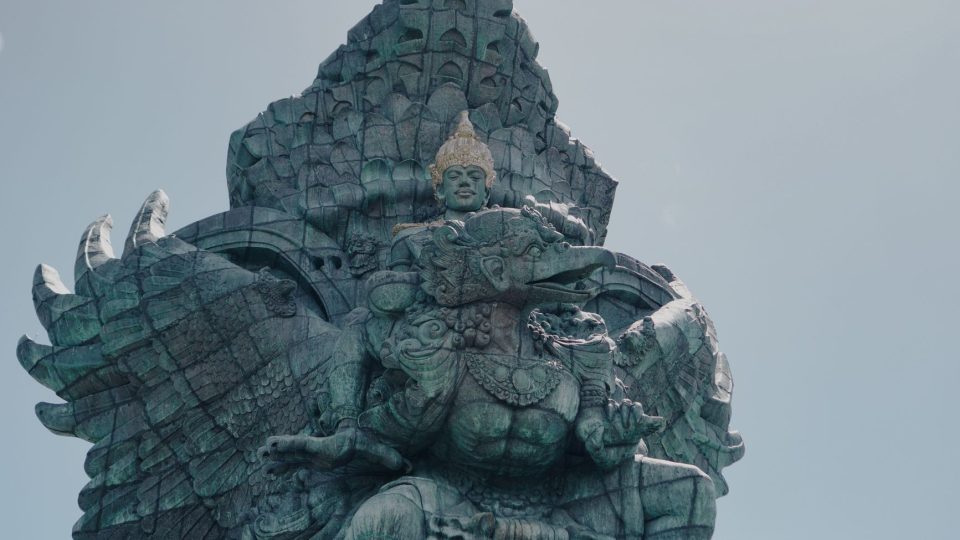
Indonesia rewards explorers with a staggering array of attractions. In the capital Jakarta, the National Museum and the old town of Kota Tua offer a dive into history, while modern malls and vibrant street food scenes like Jalan Jaksa keep visitors engaged. Heading east, Yogyakarta is the cultural heart of Java: the magnificent Borobudur and Prambanan temple complexes are UNESCO World Heritage sites that draw crowds at sunrise. Further east, Mount Bromo’s lunar-like landscape at dawn is an unforgettable sight, best arranged with online bookings—something a reliable internet connection makes effortless.
Bali, the Island of the Gods, needs little introduction. The southern beaches (Kuta, Seminyak, Nusa Dua) cater to sun-seekers and surfers, while Ubud’s art markets, monkey forest, and terraced rice paddies offer a greener, calmer experience. The dramatic sea temple of Tanah Lot and the clifftop Uluwatu Temple, especially at sunset during the Kecak dance, are highlights. Just offshore, Nusa Penida’s rugged coastline reveals photo-worthy spots like Kelingking Beach. For underwater enthusiasts, the Gili Islands and Lombok’s southern coast provide excellent snorkeling and diving. Komodo National Park in East Nusa Tenggara is home to the famous dragons and boasts breathtaking pink sand beaches and world-class dive sites. Farther east, Raja Ampat in West Papua is a biodiverse paradise for divers, while Sumatra offers orangutan encounters in Bukit Lawang and the serene crater lake of Lake Toba. In Sulawesi, Tana Toraja’s elaborate funeral ceremonies and unique architecture fascinate anthropologically minded travelers.
Using mobile internet while sightseeing proves invaluable: instant translation of signs and menus, GPS navigation to off-the-beaten-path waterfalls, real-time updates on ferry schedules between islands, and quick access to peer reviews for spontaneous dining choices. Booking tickets to attractions like Borobudur sunrise tours or fast boats to the Gilis is often cheaper online and guarantees your spot. Moreover, sharing your adventures on social media, uploading photos, or checking in with loved ones becomes seamless with a steady data connection.
Indonesian Culture, Cuisine, and Travel Tips

Indonesia’s cultural diversity is astounding: over 300 ethnic groups each contribute distinct languages, traditions, and art forms. While Bahasa Indonesia is the unifying language, you’ll hear Javanese, Sundanese, Balinese, and many other local tongues. Religion is deeply interwoven into daily life; Indonesia has the world’s largest Muslim population, but Bali stands out as a Hindu enclave, and Buddhism, Christianity, and animist beliefs also have strong presences. This mosaic shapes a travel experience that is both vibrant and nuanced.
Food is a central part of the Indonesian journey. National dishes like nasi goreng (fried rice), sate (skewered grilled meat with peanut sauce), and gado-gado (vegetable salad with peanut dressing) are ubiquitous. Don’t miss rendang, the slow-cooked spicy beef from West Sumatra, often hailed as one of the world’s most delicious dishes. Street food, from martabak (stuffed pancake) to bakso (meatball soup), offers affordable and authentic flavors. Using food delivery or review apps can help you discover hidden warungs (small eateries).
When it comes to etiquette, respect for local customs goes a long way. Dress modestly when visiting religious sites—carry a sarong for temples in Bali, though many provide them for rent. The right hand is used for giving and receiving items, as the left is considered impure. Public displays of affection are generally kept conservative, especially in rural areas. Ramadan sees many Muslims fasting, and while tourists are not expected to fast, being discreet about eating and drinking during daylight hours in public is appreciated.
Transport options are diverse: in cities, ride-hailing apps like Gojek and Grab are extremely popular and data-dependent; you can order a car or motorbike taxi to navigate traffic. On islands, renting a scooter offers freedom, but ensure you have an international driving permit and understand local traffic norms—roads can be chaotic. For inter-island travel, ferries and flights are the norm; online booking and check-in save time. Lesser-known destinations such as the Derawan Islands for stingless jellyfish, Wakatobi for diving, or the Dieng Plateau for ancient temples and volcanic landscapes provide quieter alternatives, but often require careful planning where internet access helps verify schedules and book guides.
Setting Up Your eSIM for Indonesia: A Step-by-Step Guide
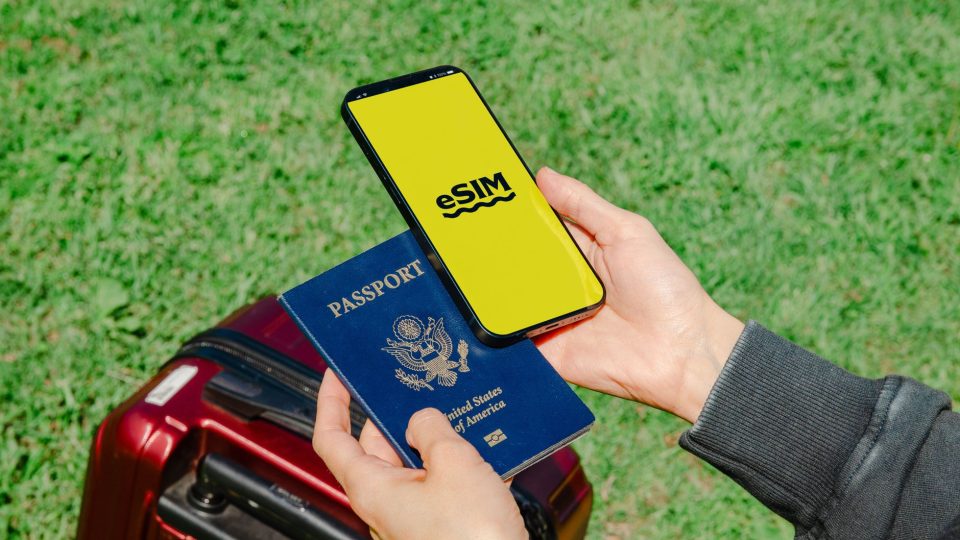
Before purchasing an eSIM, confirm that your device supports eSIM technology and is unlocked. Most recent iPhones, high-end Android phones, and some tablets are compatible, but it’s best to check the manufacturer’s specifications. Once you have chosen and bought a suitable eSIM plan for Indonesia, you will typically receive an email with a QR code and installation instructions. It is advisable to install the eSIM while you have a stable Wi-Fi connection, as the download requires internet access.
Scan the QR code through your device’s settings (usually under Cellular or Mobile Data) and follow the prompts to add a new plan. You may be asked to label the plan—naming it “Indonesia Travel” helps distinguish it from your primary line. During installation, you can configure which line to use for mobile data; select your new eSIM for data, and keep your primary SIM enabled only if you need calls or texts, but be aware of potential roaming charges. To avoid accidental data usage on your primary SIM, turn off mobile data on that line in settings. Some eSIM providers require you to enable Data Roaming on the eSIM line, so check the instructions provided.
Important: do not delete the eSIM unless you are absolutely sure you will no longer need it, as some providers may not allow reinstallation without purchasing a new plan. Keep the QR code and activation details stored securely until your trip concludes. Activation timing varies: some eSIMs activate immediately upon installation, while others only begin when they successfully connect to a supported network in Indonesia. If you encounter issues, start with basic troubleshooting: restart your device, ensure the eSIM line is turned on, and verify that the APN settings match those provided by the eSIM carrier. Manually selecting a different network from the available list can sometimes resolve slow or non-functional data connections. Patience and a bit of pre-trip preparation will ensure you’re connected as soon as you land, ready to explore Indonesia with ease.
Ready to travel to Indonesia?
Choose your eSIM before departure and connect to mobile internet as soon as you arrive.