










Belarus eSIM and Travel Guide: Stay Connected While Exploring Hidden Gems
Essential travel information, mobile internet advice and useful tips for your journey to Belarus.
Introduction to Belarus: Why an eSIM Makes Travel Easier

Belarus, a country of vast plains, ancient forests, and rich Soviet heritage, offers travelers a unique blend of history, culture, and untouched nature. While not as heavily touristed as some European neighbors, it rewards visitors with authentic experiences, from the vibrant streets of Minsk to the medieval castles of Mir and Nesvizh. Navigating this Eastern European nation, however, requires reliable mobile internet. You will need it for maps, as Google Maps may have limited coverage locally and alternatives like Yandex Maps are often more accurate. Translation apps will help you decode Cyrillic signs and menus, while ride-hailing services like Yandex Go are essential for getting around in cities.
Booking accommodation on the go, checking train schedules, or accessing digital tickets for museums and events is far simpler with a steady connection. If you plan to work remotely or share your experiences on social media, you cannot rely on patchy public Wi‑Fi. Using your home operator’s roaming can lead to unexpected charges, and purchasing a physical SIM card upon arrival often requires registration with your passport—a time‑consuming process. An eSIM provides a convenient alternative: you can buy and install it before your trip, arriving with data ready to use. While not always the cheapest option, it eliminates the need to swap SIMs and lets you keep your primary number active for calls or verification texts, provided you manage roaming settings carefully. This guide will help you understand how to stay connected during your Belarusian adventure.
Mobile Internet in Belarus: Coverage, Speeds, and What to Expect

Mobile internet in Belarus is generally reliable in urban areas, but coverage can be patchy in remote regions. All three major operators—A1, MTS, and life:)—offer widespread 4G/LTE across cities and along major highways. In Minsk, and to a lesser extent in regional capitals like Brest and Grodno, you can expect fast download speeds suitable for video calls and streaming. 5G has been introduced in some parts of large cities, but it is not yet universally available, and its reach depends on your location, device compatibility, and the network used by your eSIM plan. Do not assume that an eSIM will automatically give you 5G access.
When you travel beyond city limits, such as visiting national parks like Belovezhskaya Pushcha or the rural areas around Braslav Lakes, the signal may weaken or drop to 3G. Indoor coverage is typically strong in modern buildings, shopping malls, and hotels, but thick‑walled historical structures, such as castle dungeons or some museums, can block signals. During peak hours or at busy events like the Slavianski Bazaar, network congestion may reduce speeds—this is common worldwide. Factors like distance from cell towers, network load, physical obstacles, and even weather conditions can affect signal quality. Always download offline maps as a backup before heading into the countryside. Your actual experience will depend on your device, the eSIM provider’s partner network, and the specific plan you choose.
Mobile Network Operators in Belarus: Who Provides the Connectivity

Belarus has three primary mobile network operators, each with its own history and infrastructure. When you buy an eSIM, your provider may partner with one or more of these networks. The actual network you connect to will vary by plan, so check the details before purchasing.
A1 (formerly velcom)
A1 is one of the largest and oldest operators in the country, known for its extensive coverage and solid urban performance. It was rebranded from velcom in 2019 and is part of the international A1 Telekom Austria Group. The network offers 4G almost everywhere in populated areas and is gradually rolling out 5G in select city centers.
MTS Belarus
MTS Belarus is a joint venture between the Russian MTS group and the Belarusian state. It has a strong presence, particularly in cities, and provides reliable data services. MTS often has good indoor coverage in public buildings and shopping centers. Its 5G development follows a similar pattern to A1, with availability mainly in parts of Minsk.
life:) (BeST)
life:) is the brand of BeST (Belarusian Telecommunications Network), historically focused on the consumer market with competitive pricing. Its network coverage has improved significantly in recent years, though it may still be slightly less comprehensive in very remote areas compared to the other two. For tourists, life:) can be a perfectly adequate partner network, especially in cities and tourist zones.
When you install an eSIM, it will typically connect to the strongest allowed network according to the plan’s configuration. Manual network selection may or may not be available, and automatic switching between all three operators is not guaranteed. Virtual operators exist but they rely on the infrastructure of these major networks, so coverage will mirror the host network. Always verify which networks are supported by your eSIM and whether you can manually switch if you experience poor signal.
Top Sights and Experiences in Belarus—and How Mobile Internet Enhances Your Visit

Belarus offers a compelling mix of Soviet heritage, medieval architecture, and pristine nature. While Minsk is the obvious starting point, the country rewards those who explore beyond the capital.
Minsk – The Modern Capital
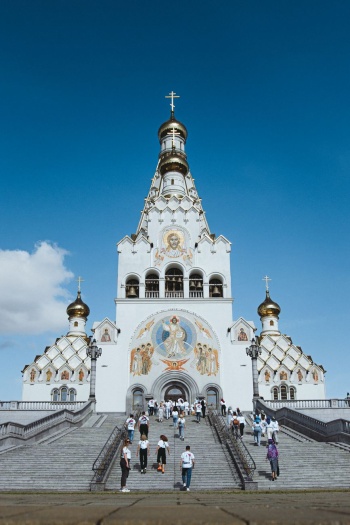
Minsk impresses with its wide boulevards, monumental Stalinist architecture, and immaculate parks. Walk along Independence Avenue to see the KGB headquarters and the striking Church of Saints Simon and Helena. The Victory Monument and the Museum of the Great Patriotic War provide profound insights into World War II history. The city’s metro stations, adorned with mosaics and chandeliers, are attractions in themselves. Use your mobile internet to navigate the metro system, find trendy coffee shops in the hidden backstreets, or book tickets for a performance at the National Opera and Ballet Theatre.
Castles and Historical Sites
UNESCO-listed Mir Castle Complex and Nesvizh Palace are fairy‑tale fortifications located within easy day‑trip distance from Minsk. Their beautifully restored interiors and surrounding lakes make them perfect for a day out. Brest Fortress, in the southwest, is a poignant symbol of Soviet resistance during WWII and houses a large memorial complex. Having a data connection here allows you to download audio guides or use instant translation apps to understand the detailed exhibits, which are often described only in Russian and Belarusian.
Nature and Outdoor Adventures
Belovezhskaya Pushcha National Park, a primeval forest straddling the border with Poland, is home to the European bison. The park is vast, so a mobile connection helps with trail maps, booking accommodations inside the park, and checking the weather. The Braslav Lakes region, with its hundreds of interconnected lakes, is a paradise for kayaking, fishing, and bird watching. In such remote areas, signal can be weak, but having an eSIM may still be useful for emergency communication or finding local guesthouses.
Cultural Cities off the Beaten Path
Grodno, in the west, charms visitors with its cobblestone lanes, the 12th‑century Kalozha Church, and a lively atmosphere. Vitebsk, birthplace of Marc Chagall, hosts the annual Slavianski Bazaar music festival, drawing crowds from across the former Soviet Union. Polotsk, considered the oldest city in Belarus, boasts the impressive Saint Sophia Cathedral and the museum of Belarusian book printing. Gomel features the elegant Rumyantsev‑Paskevich Palace overlooking the Sozh River. Throughout your travels, reliable internet helps you discover opening hours, purchase train tickets via the Belarusian Railway app, translate menus in real time, and share your memories instantly.
Belarusian Culture, Traditions, and Practical Tips for Travelers

Belarusian culture is a unique fusion of Slavic traditions, Soviet legacy, and a modern patriotic revival. Hospitality is deeply ingrained; you may be invited to a local home, where refusing an offer of food or drink is considered impolite. If visiting, it is customary to bring a small gift—chocolates, wine, or an odd number of flowers (even numbers are for funerals).
The cuisine is hearty and potato‑centric. Draniki (potato pancakes) are the national dish, often served with sour cream. Machanka, a thick pork stew, is usually eaten with pancakes. Other must‑tries include kolduny (meat‑stuffed potato dumplings) and kvass, a fermented bread drink. While dining, it is polite to finish everything on your plate. Tipping is not mandatory, but rounding up the bill or leaving about 10% is appreciated in restaurants.
Belarusians are generally reserved at first but warm up quickly. Russian is the dominant language in daily life, though Belarusian is the official language. Learning a few words like dziakuj (thank you) and kali laska (please) can go a long way. Public transport is efficient: Minsk has a reliable metro, and buses and trolleybuses cover the country. Remember to validate your ticket inside the vehicle, as inspectors frequently check. Using ride‑hailing apps is often more convenient than hailing a taxi on the street.
Festivals offer a window into the culture. Maslenitsa, the Slavic Butter Week before Lent, features pancake feasts and the burning of a scarecrow. Kupalle, celebrated in summer, involves bonfires and flower wreaths. For a deeper historical perspective, visit the Khatyn Memorial, a touching tribute to war victims, or the Stalin Line complex near Minsk. Lesser‑known destinations like the Pripet Marshes, Europe’s largest swamp, showcase a unique ecosystem. Having a mobile internet connection can help you research these traditions, translate signs, and navigate your way to seldom‑visited places.
How to Install and Activate Your eSIM for Belarus

Getting your eSIM ready for Belarus is a straightforward process if you prepare correctly. First, confirm that your smartphone supports eSIM—most recent iPhones (XS/XR and later), Google Pixels, and many Samsung Galaxy models do, but it is always best to check your device specifications. Your phone must also be network‑unlocked to use an eSIM from a third‑party provider.
Purchase your eSIM plan from a reputable provider before your trip. After payment, you will typically receive a QR code via email. Install the eSIM while you are still connected to a stable Wi‑Fi network at home. Go to your device’s cellular or mobile settings, choose “Add eSIM” or “Add Cellular Plan,” and scan the QR code. Follow the on‑screen prompts to label the new plan (e.g., “Belarus Travel”) and set it as your default line for mobile data.
Some eSIMs activate immediately upon installation, while others only start working when you arrive in Belarus and connect to a supported network. To avoid unexpected roaming charges on your primary SIM, turn off data roaming on that line or temporarily disable it altogether. If the eSIM requires data roaming to function (common with travel eSIMs), enable it specifically for the eSIM line. Always keep the QR code and activation details in a secure place; you may need them if you have to reinstall the plan. Do not delete an eSIM until your provider confirms that it can be reinstalled—many travel plans are single‑use.
If you encounter issues, try restarting your device, checking that the APN (Access Point Name) settings match those provided, and manually selecting a network from the available list. Remember that not all eSIMs work equally on all three Belarusian networks, so you may need to experiment with network selection. Additionally, ensure your device’s software is up to date, as outdated operating systems can cause compatibility problems.
Ready to travel to Belarus?
Choose your eSIM before departure and connect to mobile internet as soon as you arrive.