












Dominican Republic eSIM and Travel Guide
Essential travel information, mobile internet advice and useful tips for your journey to Dominican Republic.
Introduction to the Dominican Republic

The Dominican Republic is a vibrant Caribbean nation that shares the island of Hispaniola with Haiti. Known for its stunning beaches, rich history, and lively culture, it attracts millions of visitors each year. From the colonial streets of Santo Domingo to the luxurious resorts of Punta Cana, the country offers a diverse range of experiences. Whether you are exploring ancient ruins, dancing to merengue rhythms, or relaxing on pristine sands, staying connected is essential for a smooth journey.
Reliable mobile internet can greatly enhance your trip. With a data connection, you can navigate unfamiliar roads using maps, book last‑minute accommodation, and check public transport schedules. Mobile internet also allows you to use translation tools when language barriers arise, store digital tickets for attractions, and keep in touch with friends and family through messaging apps. For those who work remotely, a stable connection means you can send emails, join video calls, and upload content without relying solely on hotel Wi‑Fi, which may be slow or insecure.
An eSIM (embedded SIM) is a practical way to access mobile data while travelling. Instead of swapping physical SIM cards, you can download a digital profile to your compatible phone or tablet before or after arriving. This can be a convenient alternative to buying a local SIM at the airport or paying your home operator's roaming fees. While an eSIM is not necessarily the cheapest option in every case, it offers flexibility and avoids the hassle of handling tiny plastic cards. With a suitable eSIM plan, you can enjoy local network coverage across the Dominican Republic, helping you stay connected from the moment you land.
Mobile Internet in the Dominican Republic

The Dominican Republic has a well‑developed mobile infrastructure, particularly in urban and tourist areas. 4G/LTE is widely available in cities like Santo Domingo, Santiago, and Punta Cana, offering speeds sufficient for streaming, video calls, and general browsing. In many coastal resorts and towns, the signal remains strong, allowing you to share photos and stay online with ease. However, coverage can vary as you travel inland or into more remote regions.
5G networks are gradually being deployed by the country's major operators, but widespread availability is not yet guaranteed. In some parts of Santo Domingo and a few other large cities, 5G may be accessible if your device and plan support it. Most tourists will rely on 4G, which provides a very usable experience. If you need faster speeds, check whether your eSIM plan includes 5G access and verify that your phone supports the necessary bands.
Rural and mountainous areas, such as the interior valleys around Jarabacoa or the Sierra de Bahoruco, often have weaker or patchy signals. While many main roads are covered, you may encounter dead zones in deep valleys or dense forests. Similarly, some secluded beaches along the Samaná Peninsula or the southwestern coast might have limited reception. Indoor coverage in concrete buildings or hotels can also be inconsistent, and crowded events like Carnival in La Vega may lead to network congestion that slows data speeds.
The actual coverage you experience depends on your location, device compatibility, the network partner used by your eSIM provider, and the specific plan you choose. Not all eSIMs automatically connect to every available network, and manual network selection may not always be available. Weather conditions, topography, and network load can further affect signal quality. For the most reliable experience, download offline maps and essential information before heading to less populated areas.
Mobile Network Operators
The Dominican Republic's telecommunications market is dominated by a few well‑established operators. The two largest are Claro and Altice Dominicana. Claro, owned by the Mexican group América Móvil, offers extensive 4G coverage throughout the country and has been rolling out 5G in selected urban zones. Altice Dominicana, which merged the former Orange and Tricom brands, also provides comprehensive 4G and is expanding its 5G footprint. Both operators maintain towers in all major cities, tourist destinations, and along many highways.
In addition to these primary networks, a number of virtual operators offer services using the infrastructure of Claro or Altice. These smaller providers may cater to specific needs, but their coverage and speeds are essentially tied to the host network. When you purchase an eSIM, the provider partners with one or more of these local networks. The network your eSIM uses can vary depending on the plan you select. Some eSIM products connect to a single operator, while others may offer the ability to switch between partners, though automatic switching is not always guaranteed.
Your eSIM's ability to access 5G depends on several factors: the plan must include 5G, your device must support the correct 5G bands, and the local partner network must have 5G active in your area. Manual network selection might be possible with some eSIMs, but this feature is not universal and should not be assumed. Even if you cannot choose the network manually, the eSIM will typically connect to the strongest available signal from its allowed partners. Check your eSIM details carefully to understand which networks are supported and whether 5G is included.
Sightseeing and Attractions
The Dominican Republic is packed with sights that cater to history buffs, nature lovers, and beach enthusiasts. The capital, Santo Domingo, is home to the Zona Colonial, a UNESCO World Heritage site. Here you can walk along cobblestone streets, visit the first cathedral of the Americas (Catedral Primada de América), and explore the Alcázar de Colón, the former residence of Diego Columbus. Using your phone’s internet, you can download audio guides, check opening hours, or find nearby restaurants with authentic local cuisine.
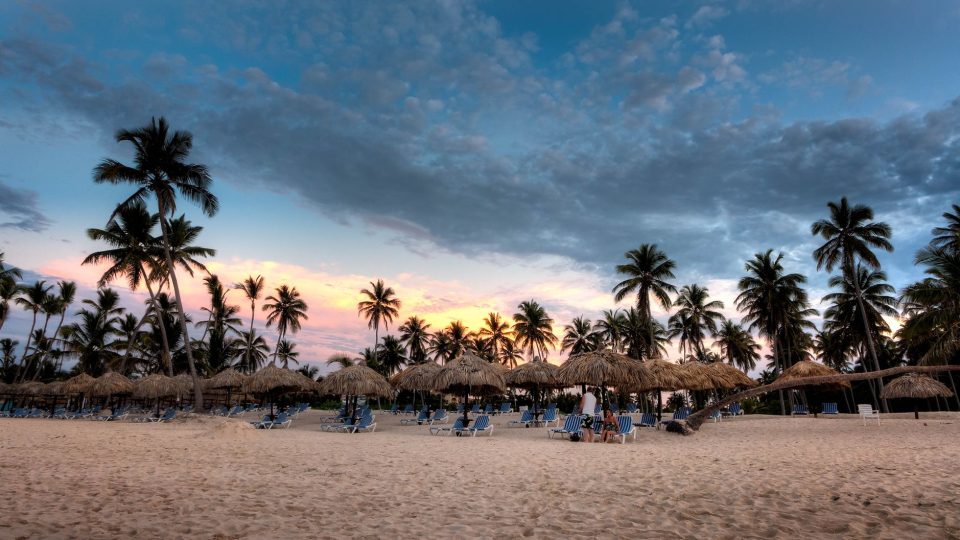
For sun and sand seekers, Punta Cana on the eastern tip is world‑famous for its all‑inclusive resorts and powdery beaches. Bávaro Beach stretches for kilometres and offers calm, turquoise waters ideal for swimming and water sports. A short drive away, the Indigenous Eyes Ecological Park (Parque Ecológico Ojos Indígenas) features freshwater lagoons and lush tropical trails. Having mobile data allows you to book catamaran excursions, reserve a spot on a snorkelling trip, or share real‑time updates from your beach lounger.
The Samaná Peninsula in the northeast is a must‑visit for its dramatic landscapes. Between January and March, humpback whales migrate to Samaná Bay, and boat tours offer spectacular viewing opportunities. Los Haitises National Park, accessible from Samaná, amazes visitors with its karst limestone formations, mangroves, and ancient Taíno cave art. Internet access here can help you arrange guided tours, check weather conditions, and navigate the winding coastal roads.
Other highlights include Puerto Plata with its Victorian architecture and the cable car up Mount Isabel de Torres, the 27 Waterfalls of Damajagua, and the secluded Bahía de las Águilas in the southwest, often considered the country’s most beautiful beach. In Jarabacoa and Constanza, the cooler mountain climate provides opportunities for hiking, rafting, and paragliding. Mobile internet proves useful for mapping backcountry routes, contacting local guides, and looking up safety information before embarking on adventures.
Interesting Facts and Cultural Insights
Dominican culture is a lively blend of Spanish, African, and Taíno influences, best expressed through its music and dance. Merengue and bachata, both born on the island, are everywhere: from car radios to street performances. If you hear lively accordion‑driven rhythms, it’s likely merengue típico. Taking a dance class or simply watching locals dance in a colmado (a small neighbourhood shop/bar) can be a memorable experience. The country is also passionate about baseball, with many Major League stars hailing from here; catching a local game can be a fun, affordable night out.
Food is a central part of daily life. A typical breakfast might include mangú (mashed plantains) with fried eggs, salami, and cheese. For lunch or dinner, try la bandera dominicana, the “national flag” dish consisting of rice, beans, and meat, often accompanied by salad and fried plantains. Sancocho, a hearty stew with various meats and root vegetables, is a favourite for family gatherings. Street vendors sell empanadas, pastelitos, and fresh tropical fruits. Be sure to sample local coffee, considered some of the best in the Caribbean, and a glass of mamajuana, a spiced rum‑based drink with herbal roots.
Transportation for visitors often includes taxis or ride‑hailing apps like Uber, which operate in larger cities. Public transport consists of gua‑guas (shared minibuses) and motoconchos (motorcycle taxis); they are cheap but can be chaotic for newcomers. If you rent a car, watch for unmarked speed bumps and erratic driving. In towns, it’s common to greet people with a friendly “Buenos días” or “Saludos,” even when entering a shop. Tipping around 10% is appreciated in restaurants, though some may include a service charge. Bargaining is not typical in formal shops, but you can negotiate at street markets.
The Dominican Carnival, held every February, is one of the most colourful events, with elaborate costumes and characters like the horned Diablo Cojuelo. The coastal town of La Vega and the capital Santo Domingo host some of the largest celebrations. Other festivities include the Merengue Festival in July and various patron saint days across towns. While most Dominicans are warm and welcoming, it’s advisable to keep an eye on your belongings in crowded areas and avoid displaying valuables. Understanding a few Spanish phrases goes a long way, as English is not widely spoken outside tourist resorts.
eSIM Activation Guide
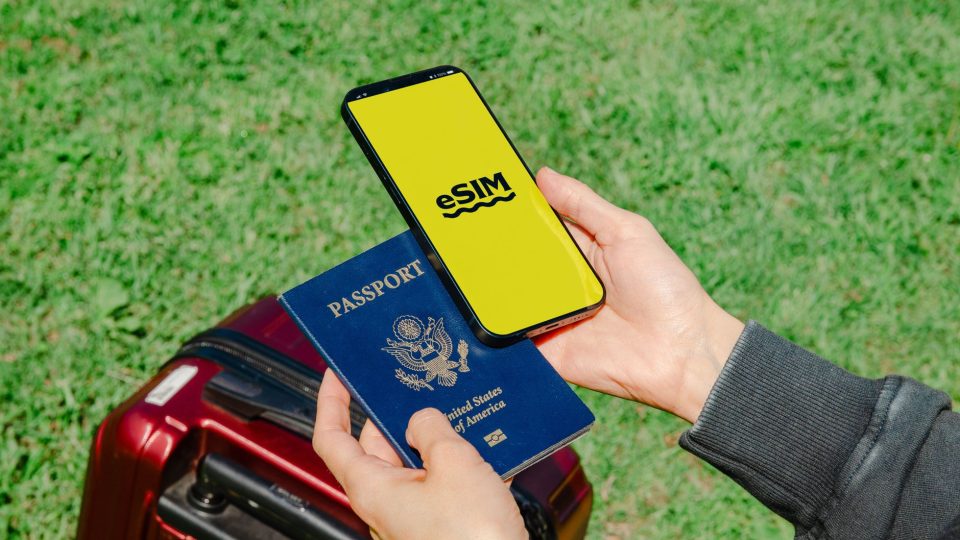
Before purchasing an eSIM, make sure your smartphone or tablet is compatible. Most recent high‑end models from Apple, Samsung, Google, and other major brands support eSIM, but it’s wise to check the manufacturer’s specifications. Equally important is verifying that your device is network‑unlocked; a phone locked to a specific carrier will not accept another provider’s eSIM. Contact your home carrier if you are unsure about the unlock status, as they can provide guidance or unlock it for you, often at no cost after fulfilling any contract requirements.
Once you purchase an eSIM plan, you will typically receive a QR code and activation details via email. It is best to install the eSIM while connected to a stable Wi‑Fi network, as the download requires an internet connection. Scanning the QR code through your device’s cellular or mobile data settings will prompt the installation of a new profile. If manual entry is needed, the provider will supply an activation code or address. Follow the on‑screen instructions and name the eSIM label to distinguish it from your primary line (for example, “Dominican eSIM”).
After installation, configure your device to use the eSIM for mobile data. This often involves navigating to cellular or mobile data settings and selecting the newly added plan as the default data line. Keep your primary SIM active for calls and SMS if you wish, but be careful: if you leave data switching enabled, your primary SIM might use roaming data and incur charges. The best practice is to turn off data roaming on your primary SIM and, if possible, disable “automatic data switching.”
Some eSIM plans require you to enable data roaming for the eSIM line itself, even when you are in the destination country. This is because the eSIM may connect through a partner network considered “roaming” by your device. Follow the instructions provided with your plan. If you encounter connection issues after arriving, try restarting your device, checking that the eSIM line is enabled, and verifying the APN (Access Point Name) settings if the provider supplied them. Manual network selection may help if available, but not all providers support this feature. Never delete your eSIM profile unless the provider confirms it cannot be reinstalled—most eSIMs are one‑time use and cannot be recovered if removed. Keep your QR code and activation details in a safe place during your trip.
Ready to travel to Dominican Republic?
Choose your eSIM before departure and connect to mobile internet as soon as you arrive.