











El Salvador eSIM and Travel Guide: Your Complete Connectivity Companion
Essential travel information, mobile internet advice and useful tips for your journey to El Salvador.
Introduction to El Salvador

El Salvador, the smallest yet most densely populated country in Central America, is a destination of striking contrasts: from the bustling streets of San Salvador to the serene volcanic lakes and world-class surf breaks along its Pacific coastline. Often overlooked in favor of its larger neighbors, El Salvador rewards travelers with a raw authenticity and a wealth of natural and cultural treasures that invite genuine exploration.
For modern travelers, staying connected is essential. A reliable mobile internet connection transforms the travel experience, providing real-time navigation through winding mountain roads or urban centers, instant booking of accommodations and transport, and access to digital tickets for buses and attractions. Communication tools keep you in touch with family or local hosts, while translation apps bridge language gaps in markets and villages. For digital nomads, a stable connection is fundamental for remote work, and in emergencies, access to up-to-date information can be a lifeline.
An eSIM offers a practical way to maintain connectivity without the physical hassle of swapping SIM cards or relying on potentially expensive international roaming from your home provider. By installing a digital profile directly onto a compatible device, you can arrive in El Salvador with data ready to use—often at competitive rates compared to traditional tourist SIM cards. Yet, it is important to compare options, as costs vary between providers. An eSIM is not universally the cheapest solution, but it provides unmatched convenience and flexibility, especially for multi-country trips.
Mobile Internet in El Salvador

Mobile internet coverage in El Salvador has improved significantly in recent years, with 4G LTE now widely available across most urban and populated areas. Major cities such as San Salvador, Santa Ana, and San Miguel enjoy solid 4G coverage, and many tourist hotspots—including popular beach towns like El Tunco and El Zonte—offer reliable data connections. However, coverage can be patchy in remote mountainous regions, inside dense forests, and along less-traveled rural roads.
5G networks are still in the early stages of deployment. While operators have conducted tests and begun limited rollouts in select urban zones, widespread 5G access should not be expected. Even where 5G is available, actual speeds and coverage depend on device compatibility and the specific eSIM plan you have purchased, as not all plans include 5G access.
Indoor coverage in concrete buildings, shopping centers, and hotels can sometimes degrade due to building materials that block signals. Congestion may occur during festivals, in crowded markets, or at popular beach events when many users access the network simultaneously. The terrain itself—volcanoes, valleys, and dense vegetation—can also affect signal propagation. Speeds will vary based on your location, the network you are connected to, and the time of day.
It is important to remember that an eSIM’s performance depends on the partner network it uses in El Salvador, and not all plans connect to multiple networks or allow automatic switching. Some eSIMs are locked to a single operator, which can impact coverage in certain regions. Always check the specifics of your eSIM plan to understand which network you will be using and what level of service to expect.
Mobile Network Operators in El Salvador

El Salvador’s mobile telecommunications market is served by a few well-established operators that maintain nationwide infrastructure. The primary network providers are Claro, Tigo, and Movistar. Each has its own strengths in coverage and technology, but no single network guarantees perfect reception everywhere in the country.
Claro, operated by América Móvil, is one of the largest providers with extensive 4G coverage across urban centers and along major highways. It often serves as a backbone for many virtual operators and is known for its broad reach in populated areas, though rural coverage may still have gaps.
Tigo, backed by Millicom, also holds a significant market share and has invested heavily in network modernization. It provides strong coverage in cities and along the Pacific coast, with ongoing improvements to its 4G network and early 5G trials. Tigo is a popular choice for travelers needing reliable data in touristic zones.
Movistar (Telefónica) is present but with a smaller footprint compared to its competitors. It still delivers usable 4G service in many urban locations and some coastal areas, but travelers should be aware that coverage may be less consistent in remote regions.
When you purchase an eSIM, the provider may partner with one or more of these networks. The specific network(s) available to you depend entirely on the plan you select. Some eSIM products allow manual network selection, enabling you to switch between available operators, while others are restricted to a single network. It is never guaranteed that your eSIM will automatically connect to the best signal or seamlessly hop between providers. Additionally, 5G access is not a given—it must be supported by the eSIM plan, your device, and the local network at your location. Virtual operators and MVNOs often resell the infrastructure of Claro or Tigo, so even if you see a different brand name, you are likely using one of these two networks.
Sightseeing and Travel in El Salvador

Despite its compact size, El Salvador packs a surprising diversity of attractions. The capital, San Salvador, is a vibrant metropolis set against the backdrop of the San Salvador volcano. Explore the historic downtown, including the Metropolitan Cathedral and the National Palace, or visit the modern Zona Rosa for dining and nightlife. Don’t miss the striking Iglesia El Rosario, a brutalist church with a stunning rainbow-lit interior.
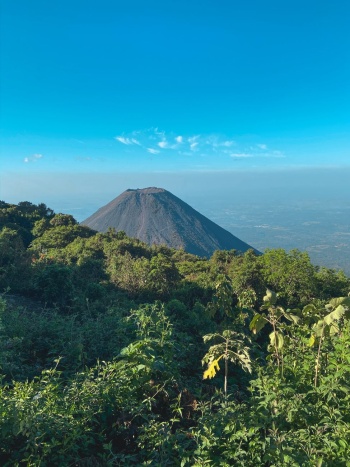
Nature lovers will find paradise in the country’s volcanoes and lakes. Cerro Verde National Park offers hiking trails with breathtaking views of the Izalco and Santa Ana volcanoes. The turquoise Lake Coatepeque is perfect for swimming, kayaking, and lakeside relaxation. Adventurous visitors can climb the Santa Ana Volcano to peer into its emerald crater lake.
For a step back in time, the Joya de Cerén archaeological site—often called the Pompeii of the Americas—reveals a pre-Columbian Maya village preserved under volcanic ash. Another important Mayan ruin is Tazumal in Chalchuapa, with its imposing pyramid. These sites are compact and manageable in half-day trips.
The Ruta de las Flores is a scenic route through colonial towns such as Juayúa, Ataco, and Apaneca, each known for weekend food festivals, coffee plantations, and vibrant murals. It’s a favorite weekend getaway for both locals and tourists.
El Salvador’s Pacific coast is a world-renowned surfing destination. El Tunco and El Zonte are laid-back beach towns offering consistent breaks for all skill levels. Even non-surfers can enjoy black-sand beaches, fresh seafood, and unforgettable sunsets. Further east, the beaches of Playa El Cuco provide a more tranquil escape.
Throughout your travels, a reliable mobile internet connection enhances the experience. Use navigation apps to find hidden beaches or navigate the Ruta de las Flores without a guide. Book last-minute accommodations, check surf reports in real time, translate conversations with locals, and securely access digital tickets for natural parks or cultural sites. A steady connection gives you the freedom to explore confidently.
Interesting Facts and Cultural Insights

El Salvador offers a warm, family-oriented culture with unique traditions that will enrich any visit. Pupusas are the national dish—thick corn tortillas stuffed with cheese, beans, or chicharrón—and no trip is complete without trying them at a local pupusería. For breakfast, a typical plate might include eggs, fried plantains, and casamiento (a mix of rice and beans).
Festivals are an integral part of life. Semana Santa (Holy Week) sees elaborate processions, especially in Sonsonate and Suchitoto, where streets are carpeted with colorful sawdust alfombras. The Fiestas Agostinas in San Salvador celebrate the Divine Savior of the World with parades, concerts, and a carnival atmosphere every August. Smaller towns have annual patron saint celebrations with music, dancing, and fireworks that visitors are often welcomed to join.
Transportation is predominantly via colorful buses (many retired US school buses) that service most routes at low cost. For intercity travel, comfortable coaches connect major towns. Ride-hailing apps operate in San Salvador, offering a convenient alternative—internet access makes both options easier to navigate.
When interacting with locals, a friendly greeting goes a long way. Salvadorans are generally hospitable and appreciate polite conversation. Tipping is not mandatory but is welcomed for good service. Be aware of local customs: dress modestly when visiting churches, and always ask permission before photographing people.
Though El Salvador has faced challenges with crime in the past, the security situation has improved markedly in recent years, and tourists report feeling welcome and safe in tourist zones. Still, exercise usual precautions: avoid displaying valuables, use registered taxis or rideshare apps, and stay informed about local advice via news apps or embassy alerts—reasons to keep your phone connected with an eSIM.
Coffee culture is deeply rooted; El Salvador produces some of the finest Arabica beans. Many fincas offer tours where you can learn about the process from bean to cup. Lesser-known gems like the cloud forests of Montecristo National Park or the serene Suchitoto town on Lake Suchitlán reward those willing to venture off the beaten path. A working mobile plan helps you discover these hidden spots and book tours on the go.
eSIM Installation and Activation Guide

Getting your eSIM up and running before or upon arrival in El Salvador is straightforward, but following the correct steps ensures a smooth experience. First, verify that your smartphone supports eSIM technology. Most recent high-end models from Apple (iPhone XS/XR and later), Google (Pixel 3 and later), and Samsung (Galaxy S20 series and later) include eSIM functionality, but always double-check your device’s specifications. Additionally, ensure your phone is network-unlocked; if it is tied to a specific carrier, it may not accept a different eSIM profile.
Typically, after purchasing an eSIM plan, you will receive a QR code via email. On your device, go to Settings > Cellular (or Mobile Data) > Add eSIM and scan the code while connected to Wi-Fi. Some providers also supply manual activation details—a string of numbers and a server address—that you can enter if scanning isn’t possible. It’s advisable to install the eSIM before departing or while you have reliable internet access.
Once installed, label your eSIM clearly (e.g., "El Salvador Data") and set it as the default line for mobile data. You may need to enable Data Roaming on this line, as many travel eSIMs route data through partner networks and require this setting. Be extremely careful to disable data roaming on your primary SIM to avoid unexpected charges from your home operator. Keep your primary line active for calls and texts if needed, but ensure it is not used for data.
Activation timing can vary: some eSIMs activate immediately upon installation, others only become active when you connect to a supported network in El Salvador. Check the instructions from your provider. If you encounter issues, try restarting your device, manually selecting a network in the eSIM settings, or checking the APN (Access Point Name) details provided. Never delete an eSIM unless the provider confirms it can be reinstalled, as some profiles are one-time-use and cannot be recovered. Keep your QR code and activation information secure throughout your trip for troubleshooting or reinstallation if needed.
With these precautions, your eSIM will provide convenient data access as you explore all that El Salvador has to offer.
Ready to travel to El Salvador?
Choose your eSIM before departure and connect to mobile internet as soon as you arrive.