












Estonia eSIM and Travel Guide: Stay Connected in the World's Digital Pioneer
Essential travel information, mobile internet advice and useful tips for your journey to Estonia.
Discover Estonia: A Digitally Advanced Destination

Estonia is a small Baltic nation that punches well above its weight in digital innovation. Often called the most advanced digital society in the world, it offers e-residency, online voting, and a seamlessly connected public infrastructure. But what does that mean for a traveler? Once you arrive, reliable mobile internet becomes your gateway to exploring this fascinating country with ease. Whether you are navigating the medieval streets of Tallinn, booking a last-minute ferry to the islands, or pulling up mobile tickets for a concert in Tartu, staying online can make your trip smoother and more enjoyable.
Relying on your home operator's roaming service can lead to unpredictable costs. While some travel plans offer affordable international packages, others may come with steep daily fees. A travel eSIM provides an alternative way to stay connected without swapping physical SIM cards. It lets you activate a local or regional data plan directly on your phone, often within minutes. This makes it easier to use essential apps — from translation tools and messaging services to maps and weather forecasts — without worrying about bill shock. An eSIM does not guarantee the lowest price in every situation, but it is a convenient, flexible option worth considering for your trip to Estonia.
Beyond logistics, having internet at your fingertips allows you to dive deeper into the local culture. You can learn about the medieval Hanseatic heritage while standing in Town Hall Square, or discover the best time to visit a smoke sauna on a remote farm. Emergency information, transport timetables, and even remote work needs become far more accessible. In a country where digital nomads and tech enthusiasts feel at home, an eSIM can help you experience Estonia with the confidence of a local, all while staying securely connected.
Mobile Internet in Estonia: What to Expect

Estonia boasts one of Europe's most comprehensive mobile networks. 4G coverage is extensive, reaching most populated areas and even many rural regions. The country’s flat terrain and small population density have allowed operators to build a robust infrastructure. In major cities like Tallinn, Tartu, and Pärnu, you can typically expect strong and stable connections in public spaces, hotels, and cafés. Indoor coverage is generally good, though older stone buildings or basement-level restaurants may occasionally weaken the signal.
5G is rolling out in Estonia, with select urban zones already enjoying high-speed access. However, coverage is still expanding and should not be taken for granted. Outside city centres, 5G signals become sporadic, and many plans—including travel eSIMs—may only connect to 4G or LTE networks. Even on 4G, speeds are usually sufficient for video calls, streaming, and navigation. Rural areas, especially deep forests and bogs, can have uneven reception due to sparse infrastructure. Popular tourist destinations like Lahemaa National Park or the islands of Saaremaa and Hiiumaa generally have acceptable service in towns and along main roads, but remote hiking trails might leave you without a signal.
Congestion is rarely a problem outside large events. During the Tallinn Music Week or the Song Festival, however, thousands of people gathering in a small area can slow data speeds. This is a normal network behavior, not an operator failure. The quality of your connection also depends on your device’s compatibility with local frequency bands and the specific eSIM plan you choose. Not all eSIMs support 5G, and some may limit data speeds after a certain threshold.
Weather and physical obstacles like dense walls can affect signal strength. Estonia’s many medieval structures, while charming, can block radio waves more effectively than modern buildings. If you are traveling by ferry to the islands, coverage usually holds for most of the journey, but occasional dead spots over water are possible. In short, Estonia offers a generally excellent mobile internet experience, but no network can promise flawless coverage in every corner of the country.
Mobile Network Operators in Estonia

Estonia's mobile market is served by three main network operators, all of which have invested heavily in 4G and 5G infrastructure. Telia Estonia is the largest and historically dominant player, part of the Nordic Telia Company. It offers extensive coverage, including along major highways and across the islands. Telia was among the first to launch 5G in Estonia and continues to expand its next-generation network.
Elisa is another key operator, known for its strong presence in both urban and rural areas. It, too, has deployed 5G in several towns and cities and is often praised for competitive data offerings. Tele2 completes the trio, providing reliable 4G and growing 5G access, particularly in population centres. Its network has improved significantly in recent years, making it a solid alternative for visitors.
In addition, several mobile virtual network operators (MVNOs) use the infrastructure of these main providers. For example, Super and Diil offer prepaid and contract plans, but they rarely appear in eSIM travel bundles. When you buy a travel eSIM for Estonia, the provider often partners with one or more of the MNOs. The specific network you connect to depends on the plan you select and the agreements in place. Some eSIMs only allow connection to a single partner network, while others may enable manual network selection. However, automatic switching between all operators is not a standard feature and should not be assumed.
Access to 5G is not guaranteed. Even if your device supports it and you are within a 5G zone, your eSIM profile may be restricted to 4G LTE. Always check the plan details before purchase. Manual network selection might be available on some devices, but not all eSIMs or phones support it. If your connection seems slow, toggling between available networks can sometimes help, provided your plan and device allow it. Understanding these dynamics will help you manage expectations and make the most of your connectivity in Estonia.
Exploring Estonia: Top Sights and How Internet Helps

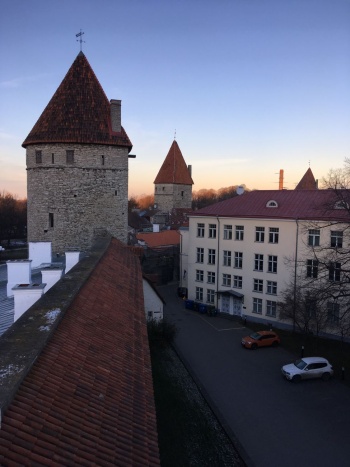
Estonia packs a surprising variety of attractions into a compact territory. The undisputed highlight is Tallinn’s Old Town, a UNESCO World Heritage site with cobblestone lanes, Gothic spires, and enchanting squares. Using a map app on your phone can help you navigate the labyrinthine streets, while browsing online guides can reveal hidden courtyards and the best viewpoints like the Kohtuotsa and Patkuli platforms. Digital tickets for attractions are widely accepted, letting you skip queues at the Town Hall Pharmacy or the Kiek in de Kök tower.
Beyond the capital, Tartu, Estonia’s intellectual heart, beckons with its historic university, the quirky AHHAA Science Centre, and the charming Supilinn district. Mobile internet lets you check opening hours and even book bus or train tickets on the fly. The summer resort town of Pärnu draws visitors to its sandy beach and spa culture; a quick online search reveals the best beachfront cafés and live music venues.
Nature lovers will head to Lahemaa National Park, just an hour from Tallinn. With its dense forests, rocky coastlines, and restored manor houses, it’s a perfect day trip. Download offline maps before leaving cell coverage just in case, but you’ll usually find signal near the park’s main visitor centres and villages. The islands of Saaremaa and Hiiumaa offer a more remote escape. Saaremaa’s Kuressaare Castle is a magnificent bishop’s fortress, while the Kaali meteorite crater adds a touch of celestial drama. A reliable data connection helps you check ferry schedules, book accommodation, and even translate local menus. On Hiiumaa, lighthouses like Kõpu are must-sees; the internet can provide historical background and trail routes.
Other noteworthy stops include Narva, where the imposing Hermann Castle faces Russia across the river, and the Setomaa region in the southeast, known for its unique culture and singing traditions. Whether you are photographing the colorful wooden houses of Kalamaja in Tallinn or hiking through a misty bog in Soomaa National Park, having internet access allows you to enrich the experience with real-time information, share moments securely, and handle any practical hiccup without stress.
Estonian Culture, Traditions, and Quirky Facts

Estonia’s identity is a fascinating blend of ancient traditions and cutting-edge modernity. The country is world-famous for its digital society — it pioneered e-voting, digital IDs, and the e-residency programme that allows entrepreneurs to run EU-based companies remotely. Skype was built by Estonian developers, cementing a tech-savvy reputation that permeates daily life. Even remote farms often have high-speed internet.
Culturally, Estonians cherish their connection to nature. The Song Festival (Laulupidu) is a massive open-air choir event held every five years, celebrating the nation’s singing heritage and its role in the Singing Revolution, which peacefully led to independence from the Soviet Union. Sauna culture is also deeply ingrained. The traditional smoke sauna, listed by UNESCO, involves a chimney-less stove and birch whisks. Visitors can book authentic sauna experiences online — many rural farms welcome tourists.
Food might surprise you. Estonian cuisine relies on hearty staples: black rye bread is a daily essential, often paired with local butter or sprats (spiced canned fish). Kama is a unique dessert made from roasted grain flour mixed with kefir. Marzipan, believed to have been invented in Tallinn’s Old Town pharmacy, makes for a sweet souvenir. In winter, blood sausage (verivorst) and sauerkraut feature prominently at Christmas markets.
For something quirky, explore kiiking — a sport where participants swing all the way around a horizontal pole, using a custom-made swing. Or venture into a bog: boardwalk trails in places like Viru bog let you walk across ancient peatland, often with clear pools that reflect the sky. Estonia’s language, a Uralic tongue unrelated to most European languages, features 14 cases and can seem impenetrable, but English is widely spoken, especially among younger people. A translation app on your phone can bridge any gap with older generations or in rural shops.
When visiting, remember that Estonians can appear reserved at first, but they are generally helpful once engaged. Avoid loud behaviour in public spaces, and always remove your shoes when entering someone’s home. Using your mobile internet, you can effortlessly discover these customs, find the best smoke sauna, or learn a few Estonian phrases before your trip.
How to Install and Activate Your eSIM

Before purchasing an eSIM for Estonia, confirm that your smartphone supports eSIM and is not locked to a specific carrier. Most recent iPhones, Google Pixels, and high-end Samsung devices include eSIM functionality, but it is wise to verify in your device settings. If your phone is network-unlocked, you can proceed to order a suitable plan from an eSIM provider.
After purchase, you typically receive a QR code via email or on the provider’s website. Keep this code safe, as you may need it for reinstallation. To install the eSIM, connect your phone to a stable Wi‑Fi network, go to the mobile or cellular settings, and choose “Add eSIM” or a similar option. Scan the QR code or enter the manual activation details if provided. Your device will then download the eSIM profile. This process can take a minute or two, depending on your connection.
Once installed, label the eSIM clearly (e.g., “Estonia Travel”) to avoid confusion with your primary SIM. Then, set the eSIM as the default line for cellular data. If you keep your primary SIM active for calls and texts, turn off mobile data on that line to prevent accidental roaming charges. Check with your home operator about potential fees for incoming calls and texts, as these may still apply even if you are not using data.
Activation timing varies by provider. Some eSIMs activate immediately after installation, while others only connect when they detect a supported network in Estonia. Do not be alarmed if you see “No Service” until you land and your phone registers on a partner network. After arrival, you may need to enable data roaming on the eSIM line if the plan requires it — this is common with travel eSIMs and does not mean you are paying extra, as long as the plan states roaming in Estonia is included.
If you encounter issues, try restarting your device, toggling airplane mode, or manually selecting a network. Ensure the APN settings match those provided by the eSIM provider; some plans require a specific APN to work correctly. If problems persist, contact your eSIM provider’s support before deleting the profile, because removing an eSIM often makes it unrecoverable. Remember: never delete an eSIM unless the provider confirms that it can be reinstalled or that the QR code is reusable.
Ready to travel to Estonia?
Choose your eSIM before departure and connect to mobile internet as soon as you arrive.