










French Guiana eSIM Guide: Staying Connected in South America’s French Outpost
Essential travel information, mobile internet advice and useful tips for your journey to French Guiana.
Introduction
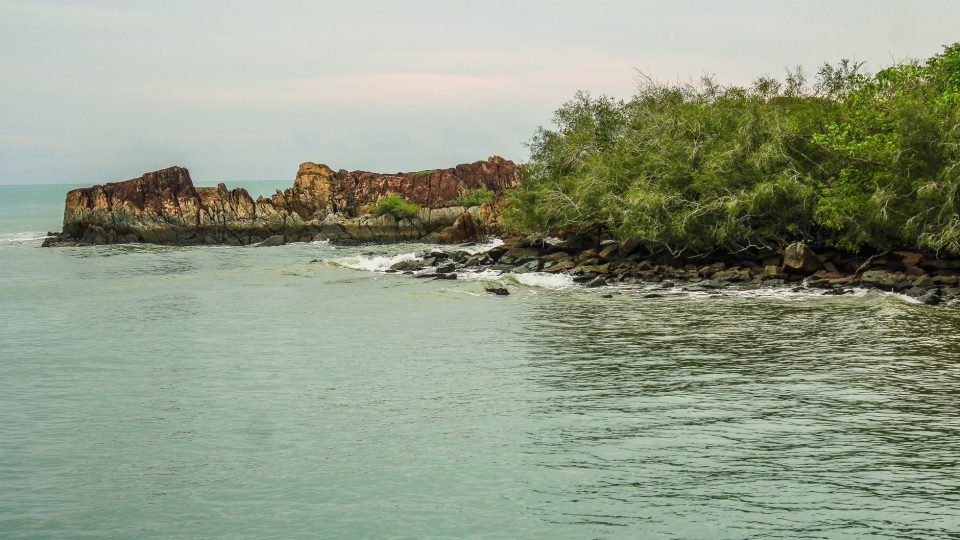
French Guiana, an overseas department of France nestled on the northeastern shoulder of South America, defies easy labels. Here, dense Amazonian rainforest meets a distinctly French administrative and cultural framework, creating a destination that feels both wild and familiar. The capital, Cayenne, buzzes with Creole street markets and colonial architecture, while the interior remains one of the most pristine and challenging environments on the continent. Whether you are tracking wildlife in the Guiana Amazonian Park, watching a rocket launch from the Guiana Space Centre in Kourou, or tracing the poignant history of the Salvation Islands, staying connected can make your journey smoother and safer.
Reliable mobile internet has become an essential travel tool. In French Guiana, it helps you navigate winding coastal roads with confidence using online maps, book eco-lodges or boat transfers at short notice, and store digital tickets for flights or river excursions. Communication apps let you stay in touch with family or guides, while instant translation tools bridge the gap between French, Creole, and indigenous languages. For digital nomads who find themselves drawn to this remote corner, a stable connection means uninterrupted remote work with a backdrop of howler monkeys and toucans. In an emergency—a sudden downpour on a jungle trail or a missed connection at the riverside port of Saint-Laurent-du-Maroni—access to real-time information is invaluable.
Securing mobile data before you travel is often easier than hunting for a physical SIM card upon arrival. An eSIM offers a convenient alternative: it can be installed digitally before departure or once connected to Wi-Fi in Cayenne, without the need to visit a store or swap tiny plastic cards. While an eSIM might not always be the cheapest option, it removes the friction of searching for a vendor after a long flight and lets you keep your regular SIM active for calls and texts, albeit with the potential for roaming charges if you are not careful. The flexibility and immediacy of an eSIM can be particularly useful in a destination where services may be limited outside the main towns.
Mobile Internet in French Guiana

Mobile network coverage in French Guiana is generally strong along the populated coastal strip, including Cayenne, Kourou, and Saint-Laurent-du-Maroni, as well as along the main routes connecting them. 4G connectivity is widely available in urban and suburban areas, and some operators have begun limited 5G trials or deployments, though nationwide 5G availability should not be assumed. As of now, visitors are most likely to encounter robust 4G service for daily needs such as maps, messaging, and web browsing.
Beyond the coastal corridor, the picture changes dramatically. The interior is dominated by dense tropical forest with very few roads, small riverine settlements, and protected areas. Here, mobile coverage is sparse or nonexistent. Even in popular ecotourism zones—such as the Kaw Swamp, the Tumuc-Humac Mountains, or the remote villages along the Maroni and Oyapock rivers—signal fades quickly once you leave larger towns. Travelers venturing into the Amazonian interior should not rely on mobile internet and should plan offline navigation and communication alternatives. Some lodges and research stations may have satellite-based Wi-Fi, but this is not guaranteed.
Indoor coverage in urban buildings is generally satisfactory, though thick concrete walls in Cayenne’s older colonial structures can weaken signals. In busy locations like the Cayenne market or during events at the Kourou spaceport, network congestion may slow data speeds even with a good signal. Topography, dense foliage, and heavy rainfall can also affect signal quality, especially outside the coastal plain. It is important to remember that actual coverage depends on your device’s compatibility with local frequency bands, the specific eSIM plan you select, and the partner network that plan uses. Not all eSIM providers offer access to every operator, and manual network selection may be restricted on some plans. Always check coverage maps provided by your eSIM provider, but treat them as approximate guides rather than guarantees.
Mobile Network Operators
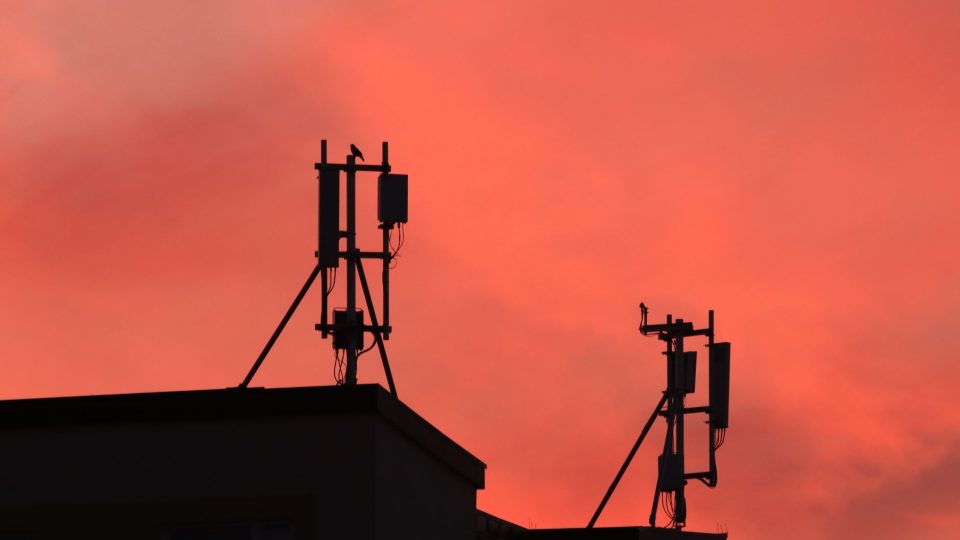
The mobile market in French Guiana is closely tied to that of mainland France, with two principal infrastructure-based operators serving the territory: Orange Caraïbe and SFR Caraïbe. These are subsidiaries of the well-known French giants and provide the bulk of geographic coverage. Additionally, virtual operators—known as MVNOs—may resell access on one or both of these networks.
Orange Caraïbe is the historical incumbent and boasts the most extensive network, not just along the coast but also reaching some of the more populated interior settlements. Its 4G footprint is the widest, and it has been at the forefront of testing 5G in specific locations. For travelers, an eSIM plan that partners with Orange is often a strong choice for consistent connectivity, though even Orange’s signal cannot penetrate the deepest jungle.
SFR Caraïbe operates a competitive network with solid urban and suburban coverage. In Cayenne and Kourou, SFR delivers reliable 4G speeds and has invested in modernizing its infrastructure. In more rural or remote areas, its coverage may be slightly less pervasive than Orange’s, but the difference in daily tourist usage is often marginal.
When buying an eSIM for French Guiana, the partner network your plan uses will depend on the commercial agreements of the eSIM provider. Some plans may connect to only one network, while others might offer access to both, but automatic switching between networks is not universally available. 5G access, where technically possible, depends on your plan inclusions, your device’s 5G capabilities, and the network’s current deployment status. If your plan allows manual network selection, you can try switching between available networks to optimize performance, but this feature is not offered by all eSIM providers. Always review the plan details carefully to understand which operator(s) you will use.
Sightseeing and Travel
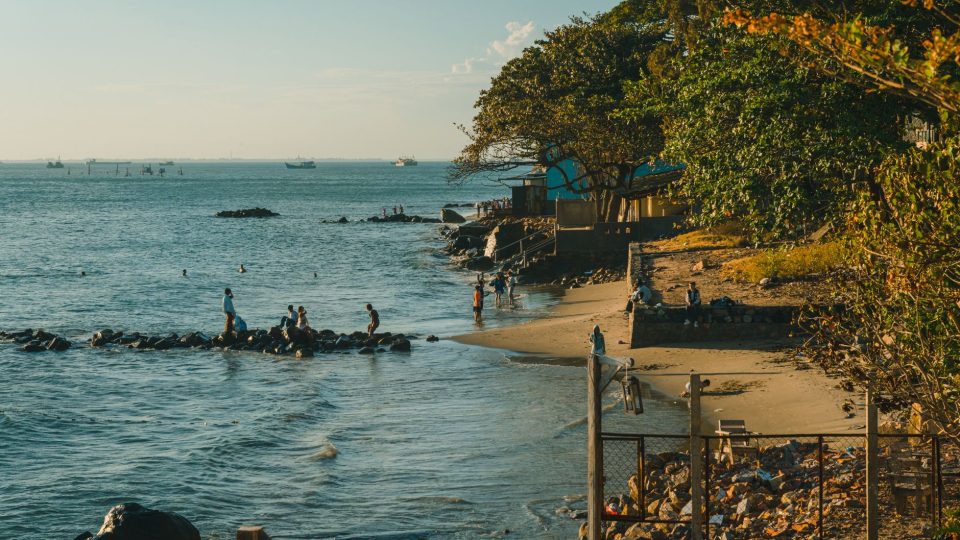
French Guiana offers a rich tapestry of experiences, from space-age technology to raw nature and poignant history. The capital, Cayenne, is a lively Creole city with a distinct French flair. Wander through the colourful Marché de Cayenne to sample exotic fruits and spices, visit the Musée Départemental Alexandre-Franconie for natural history and indigenous artifacts, and admire the Cathédrale Saint-Sauveur. Using your mobile internet here helps with restaurant reservations, downloading museum guides, and navigating the tight streets.
Around 60 km west lies Kourou, home to the Guiana Space Centre (Centre Spatial Guyanais), Europe’s primary spaceport. You can tour the launch facilities and, if timing aligns, witness a rocket launch—a truly unforgettable spectacle. Real-time launch schedules, ticket purchases, and transport coordination all benefit from a reliable data connection. Nearby, the Îles du Salut (Salvation Islands) are a must-see. Day trips from Kourou allow you to explore the infamous Devil’s Island, where political prisoners were once held, and its better-preserved neighbour Île Royale, with its restored buildings and walking trails. While on the islands, mobile signal may be weak, so offline resources are advisable, but you can plan and book tours online in advance.
For nature enthusiasts, the Guiana Amazonian Park covers a vast swathe of the interior, protecting one of the world’s most biodiverse ecosystems. Access is typically by boat or small aircraft from towns like Maripasoula or Saül. Hiking, birdwatching, and cultural encounters with Maroon and indigenous communities are the main draws. Mobile connectivity is minimal here, so an eSIM’s usefulness lies in organizing permits, guides, and emergency communication before you leave civilization. The Kaw Swamp (Marais de Kaw) east of Cayenne offers a more accessible wildlife experience, with boat tours to spot caimans, giant otters, and scarlet ibis. Booking a guide online and checking weather forecasts are practical uses for your data plan. Along the coast, beaches like Montjoly near Cayenne are popular for sunset strolls, though the water can be murky; further west, Remire-Montjoly offers sea turtle nesting sites (seasonal). Online research helps ensure you visit responsibly and at the right time.
History buffs should not miss Saint-Laurent-du-Maroni, a sleepy river town that once served as a notorious penal colony. The Camp de la Transportation offers a sobering look at the convict era, and digital audioguides can be downloaded when you have internet. From here, you can arrange boat trips up the Maroni River to visit Maroon villages. Having mobile data simplifies cashless payments for guides, checking river conditions, and staying in touch with your accommodation.
Interesting Facts and Cultural Insights
French Guiana’s cultural mosaic is its most compelling feature. As part of France, it uses the euro, and French is the official language, but the streets hum with French Guianese Creole, a language born of African, European, and Amerindian influences. You will also hear Portuguese, Spanish, and various Maroon and indigenous languages, reflecting the territory’s diverse population. This blend creates a unique culinary scene: at the heart of Creole cooking is bouillon d’awara, a rich stew eaten during Easter, and colombo, a curry-like dish with Indian roots. Seafood, fresh from the Atlantic and riverine waters, features heavily—try grilled snook or the fiery pimentade, fish in a spicy tomato sauce. Markets sell couac (toasted cassava flour), a staple side dish. Mobile internet can lead you to local restaurants, translate menus, and even provide access to recipes if you feel inspired.
Carnival is the biggest annual celebration, taking over the streets between Epiphany and Ash Wednesday with elaborate parades, costumes, and music—particularly the hypnotic rhythms of Gwo Ka and kassé kò. Parades occur in Cayenne, Kourou, and Saint-Laurent, and checking schedules or sharing photos in real time is made easy with a data connection. Another cultural highlight is the Maroni Festival, celebrating Maroon culture with traditional dance, music, and canoe races.
Daily rhythms adapt to the equatorial heat: businesses often close for a long midday break, and activity picks up again in the late afternoon. Transport between towns relies on shared taxis (taxi-co) or minibuses; ride-hailing apps are not widespread, so having internet to look up bus timetables or call a driver is a practical advantage. Tipping is not expected, but rounding up the bill is common. Dress is casual but modest; lightweight, long-sleeved clothing protects against both sun and mosquitoes. While French Guiana is relatively safe, it is wise to avoid isolated areas at night, and you can use your phone’s mapping apps to stay on well-lit routes. A final cultural note: personal interactions tend to be warm and polite. A simple «bonjour» before launching into any conversation goes a long way.
eSIM Installation and Activation
Getting your digital SIM ready for French Guiana is a straightforward process, but a little preparation ensures a hassle-free start. Before you travel, confirm that your smartphone supports eSIM technology—most recent iPhones, high-end Android devices, and some tablets have this capability—and that it is unlocked for use with different carriers. Installation is easiest while you have a stable Wi‑Fi connection, so set up your eSIM at home or in your hotel in Cayenne rather than relying on an unreliable mobile network.
Upon purchasing a plan, you will typically receive a QR code via email. On your device, navigate to the cellular or mobile data settings, select Add Data Plan or Add eSIM, and scan the code. Some providers also supply manual activation details, which you can enter if scanning fails. Follow the on-screen prompts to label your new plan—for example, “French Guiana Travel”—so you can easily identify it later. The exact activation timing varies: some eSIMs activate immediately upon installation, while others only begin once you arrive and connect to a supported local network. This means you might see “No Service” until you land in Cayenne, which is normal.
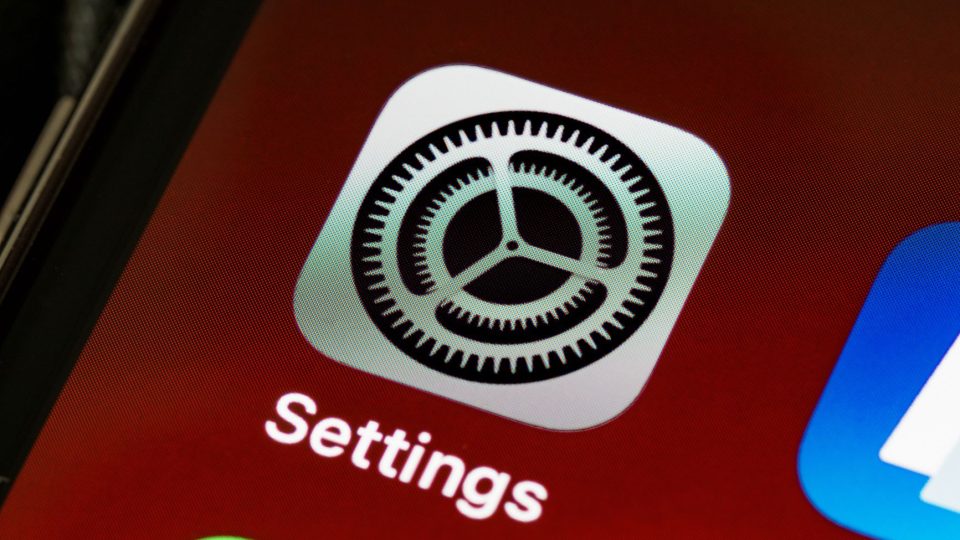
After installation, configure your device to use the eSIM for mobile data. On iPhones, go to Settings > Cellular > Cellular Data and select the travel eSIM. On Android, look for SIM Manager or similar. Ensure that data roaming is enabled for the eSIM if your provider requires it—this is common for international eSIMs, even though you are not technically roaming in French Guiana. At the same time, to avoid accidental charges on your primary SIM, turn off data roaming for that line and, if possible, set it to voice and SMS only. Remember that incoming calls or texts on your regular number may still trigger roaming fees, so check with your home operator before departing.
Keep the QR code and any activation details saved in a secure, offline-accessible place—a screenshot stored in your phone’s protected area or a printed copy—in case you need to reinstall. Do not delete an eSIM unless your provider confirms you can reapply it without losing your plan. If you encounter connectivity issues, first try restarting your device. If problems persist, check the APN settings supplied by your eSIM provider and ensure they are correctly entered. Manual network selection, if your plan allows it, can sometimes resolve persistent connection problems. As a last resort, contact your provider’s support—making sure you have alternative communication, such as Wi‑Fi calling or a messaging app, to reach them.
Ready to travel to French Guiana?
Choose your eSIM before departure and connect to mobile internet as soon as you arrive.