









Honduras Travel & eSIM Guide: Stay Connected While Exploring Central America's Hidden Gem
Essential travel information, mobile internet advice and useful tips for your journey to Honduras.
Welcome to Honduras: Ancient Ruins, Pristine Reefs and Warm Hospitality
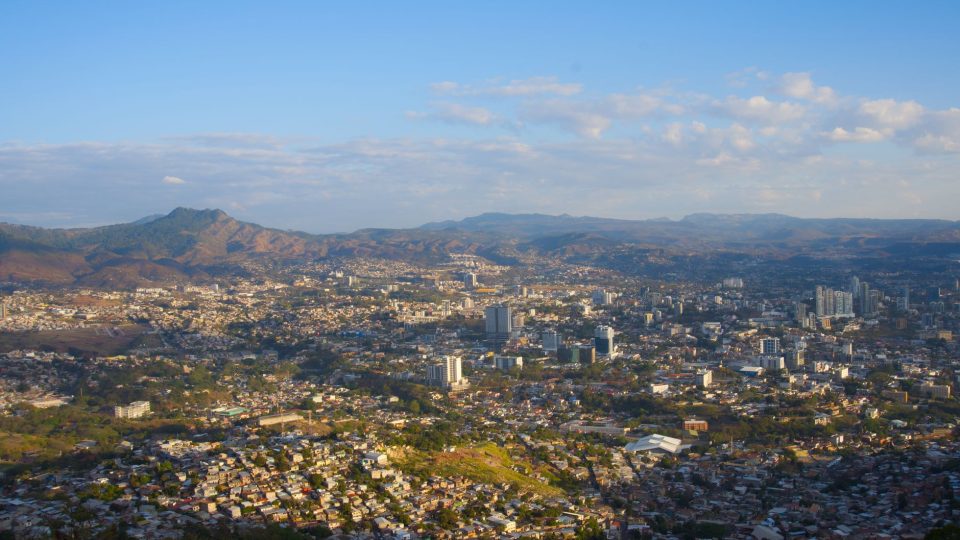
Honduras sits at the heart of Central America, bordered by Guatemala, El Salvador and Nicaragua, with both Caribbean and Pacific coastlines. It is a country of dramatic contrasts: from the ancient Maya city of Copán with its intricately carved stelae, to the turquoise waters and coral reefs of the Bay Islands, and the misty cloud forests of the interior highlands. Despite being less visited than some of its neighbours, Honduras rewards travellers with authentic experiences, welcoming communities and remarkable natural beauty. Adventurers come for world‑class scuba diving around Roatán and Utila, hikers explore the trails of Pico Bonito National Park, and history enthusiasts wander the cobbled streets of colonial towns like Gracias and Comayagua.
To make the most of your time in Honduras, staying connected is important. Reliable mobile internet helps with practical travel needs: using navigation apps to find your way in unfamiliar cities, booking accommodation on the go, arranging transport through ride‑sharing or bus schedules, accessing digital tickets for flights and ferries, and communicating with family or local contacts via messaging apps. Translation tools can bridge language gaps in rural areas where English is less common, and remote workers can keep on top of emails and video calls in cafés or hotels with reasonable speeds. In case of emergencies, having a data connection allows quick access to information, maps of nearby clinics, or contacting your embassy.
An eSIM provides a practical alternative to carrying a physical travel SIM or relying on your home operator's roaming service. With an eSIM, you can purchase a data plan before departure and activate it digitally, avoiding the need to swap out your usual SIM card. While it may not always be the least expensive option for every user, it offers flexibility and the convenience of managing multiple lines on a compatible device without handling small plastic cards.
Mobile Internet in Honduras: Coverage, Speeds and What to Expect

Honduras has a developing mobile infrastructure that offers 4G LTE coverage in most urban areas, along major highways and in popular tourist destinations. The largest cities—Tegucigalpa, San Pedro Sula, La Ceiba and the Bay Island communities on Roatán—generally have good signal strength and data speeds adequate for streaming, video calls and everyday browsing. In these locations you can expect a smooth online experience during most of the day, though temporary slowdowns can occur in crowded places like shopping malls, bus terminals or during large events.
Once you venture into rural and mountainous regions the picture changes noticeably. In remote villages, cloud forests and along winding mountain roads, the network may drop to 3G or become unavailable altogether. Areas within national parks such as Celaque or the Moskitia region often have limited or no service, so downloading maps and offline content ahead of time is wise. The Bay Islands, including Roatán, Utila and Guanaja, enjoy relatively good coverage in populated areas, but signal can fade on more secluded beaches and dive sites.
5G network deployment is still in its early stages in Honduras. Some operators have begun limited trials or launched service in a few zones of Tegucigalpa and San Pedro Sula, but widespread availability is not yet a reality. Whether you can access 5G depends on your eSIM plan, your device's compatibility and the specific partner network your provider uses. Most visitors will rely on 4G or 3G for the majority of their stay.
Indoor coverage may be weaker in concrete or reinforced buildings, especially in older constructions. If you are staying in a hotel or Airbnb, Wi‑Fi is often available and can supplement your mobile data. In busy tourist areas, network congestion during peak hours can slow speeds as many people access the same tower simultaneously. Actual performance will always depend on your location, the device you are using, network load and the specifications of the eSIM plan you have chosen.
Mobile Network Operators in Honduras: Who Powers Your Connection
Honduras has a small number of established mobile network operators that provide the backbone of wireless communication across the country. The two dominant commercial players are Tigo Honduras, part of the Millicom group, and Claro Honduras, owned by América Móvil. Both operators offer extensive 4G networks covering the main cities, tourist corridors and many smaller towns. Tigo has invested steadily in infrastructure and is often recognised for its widespread urban coverage, while Claro competes strongly with similar reach and a solid presence in the Bay Islands.
A third player, Hondutel, is the state‑owned telecommunications company. Its mobile network is smaller and less developed, primarily serving niche areas and some government contracts. Travellers are less likely to connect to Hondutel unless their plan specifically includes it as a partner.
When you purchase an eSIM for Honduras, the provider typically partners with one or both of the major operators. Which network you use depends on the specific plan you select; some eSIMs may connect automatically to the strongest available network, while others are fixed to a single roaming partner. Manual network selection might be possible on certain devices, but this feature is not guaranteed across all eSIM plans. It is important to check the eSIM product description to understand which networks are supported.
Virtual network operators (MVNOs) also exist in Honduras, but they rely on Tigo or Claro infrastructure. If your eSIM uses an MVNO connection, performance will mirror that of the underlying host network. Access to 5G—where available—requires both an eSIM plan that explicitly includes 5G and a 5G‑compatible device within a covered area. Do not assume that your eSIM will seamlessly switch between multiple operators; your experience is tied to the partnership outlined in your plan.
Exploring Honduras: Must‑See Destinations and How Connectivity Enhances the Journey
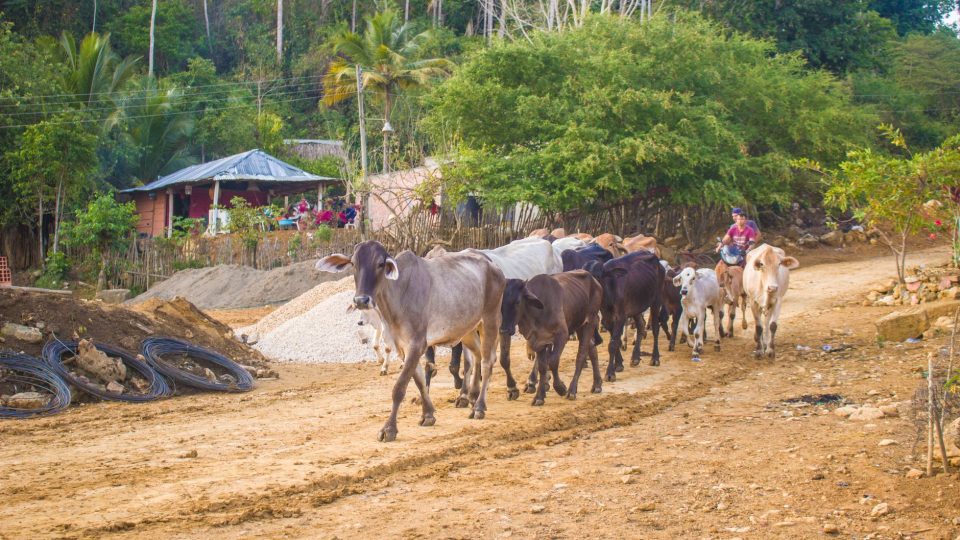
Honduras packs a surprising variety of attractions into a relatively small country. At the top of many itineraries is Copán Ruinas, the magnificent archaeological site of a major Maya city. The intricately carved stelae, the hieroglyphic stairway and the on‑site museum give an extraordinary window into ancient civilisation. A short walk from the ruins, the charming town of Copán Ruinas offers cafés, cobbled streets and a laid‑back atmosphere. Using your mobile internet here, you can download detailed maps of the site, read background information or translate the Spanish explanations provided by local guides.
The Bay Islands—Roatán, Utila and Guanaja—are the country's premier coastal destination. Roatán is the most developed, with resorts, restaurants and one of the world's largest barrier reefs just offshore. Divers and snorkelers can book boat trips via messaging apps, check weather conditions in real time, and share underwater photos instantly. Utila, smaller and more backpacker‑friendly, is famous for affordable diving schools and whale shark sightings. Guanaja is the quietest and most remote, ideal for travellers seeking solitude.
Back on the mainland, Pico Bonito National Park near La Ceiba draws hikers and birdwatchers with its cloud forests, waterfalls and abundant wildlife. Mobile signal may be patchy on the trails, so downloading maps and trail descriptions before setting out is highly recommended. Lake Yojoa, the largest natural lake in Honduras, is a peaceful spot for kayaking, fishing or visiting the Pulhapanzak waterfall nearby. The area has several micro‑breweries and coffee farms where you can arrange tours with a quick online search or a call.
Colonial towns like Gracias and Comayagua invite slow exploration of centuries‑old churches, plazas and local markets. In these less‑visited spots, having a data connection helps with finding boutique hotels, translating menus and navigating the narrow streets. For adventure travellers, the Moskitia region in the east offers jungle expeditions and encounters with indigenous Miskito communities. Mobile coverage is minimal here, so planning logistics and emergency contacts in advance via a reliable connection in a nearby city is essential.
Honduran Culture, Flavours and Practical Insights for Visitors
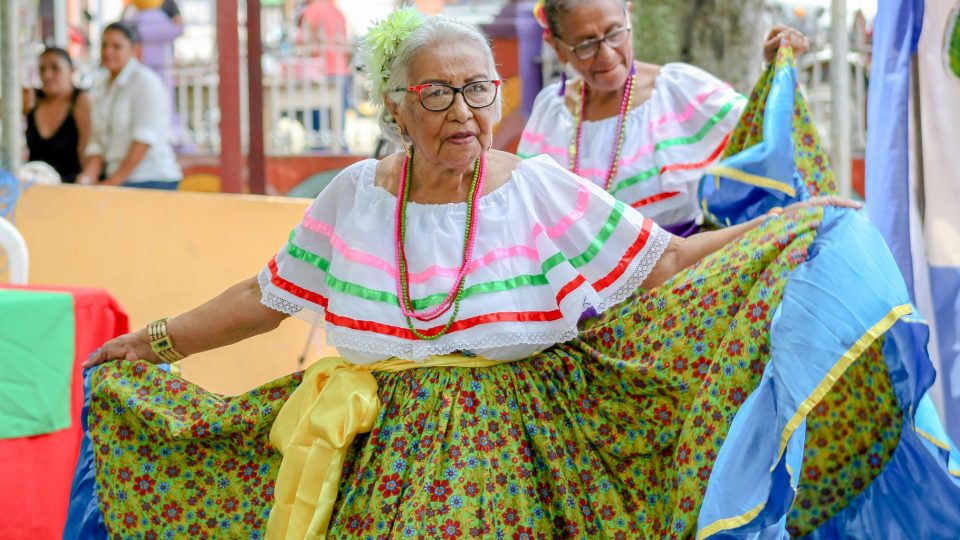
Honduras is a country where indigenous, African and Spanish influences blend into a distinctive daily life. The national dish, baleada, is a flour tortilla folded over refried beans, cheese and sometimes scrambled eggs or meat—a simple, filling street food found everywhere. Other staples include pupusas (thick corn tortillas with fillings), tamales wrapped in banana leaves, and fresh seafood along the coast, especially conch soup and fried fish. Coffee grown in regions like Marcala and Copán is renowned for its quality; visiting a coffee finca is a memorable experience where you can use translation apps to converse with growers.
Music and festivals play a big role in local culture. Punta, a rhythmic Garifuna dance and drumming tradition, is particularly vibrant in coastal communities. Major celebrations like the Feria Juniana in San Pedro Sula and the Semana Santa (Holy Week) processions draw crowds and can be a fascinating time to visit—plan accommodation ahead using booking sites, as demand spikes. In smaller villages, patron saint festivals are lively with parades, fireworks and food stalls.
Getting around Honduras often involves a mix of public buses, colectivos (shared taxis) and private shuttles. Local bus routes can be confusing, so having mapping apps and the ability to check timetables online is a big help. While Spanish is the official language, English is widely spoken in the Bay Islands and tourist‑facing businesses, but elsewhere a translation app or dictionary on your phone can bridge gaps. Hondurans are generally warm and polite; a friendly “buenos días” goes a long way. When visiting churches or rural communities, dress modestly and ask before taking photos of people.
Lesser‑known gems include the Cusuco National Park, a cloud forest with rare birds and orchids, and the Fortress of San Fernando de Omoa, a Spanish‑era fort on the Caribbean coast. For a truly off‑the‑beaten‑path experience, the Lenca Trail through traditional highland villages reveals pre‑Columbian roots and handicrafts. A data connection can help you research these hidden spots, check road conditions and share your discoveries in real time.
Installing and Activating Your Honduras eSIM: A Step‑by‑Step Guide
Before purchasing an eSIM for Honduras, verify that your device supports eSIM technology and is network‑unlocked. Most recent smartphones—including iPhone XS and newer, Google Pixel 3 and later, and many Samsung Galaxy models—are compatible, but check your manufacturer's specifications to be sure. If your phone is locked to a specific carrier, contact them to request unlocking prior to your trip, as an eSIM from another provider will not work otherwise.
Once you have purchased a plan, you will receive a QR code and often an activation code via email. Ensure you have a stable Wi‑Fi connection during installation. Open your phone's settings, navigate to the mobile or cellular data section, and choose “Add eSIM” or “Add Data Plan.” Scan the QR code with your camera, or enter the details manually if provided. The installation process will download the network profile; this may take a few minutes. Depending on the eSIM provider, the plan may activate immediately upon installation, or only once you connect to a supported network upon arrival in Honduras. Read the instructions carefully.
After installation, assign a label to your eSIM (such as “Honduras Data”) to differentiate it from your primary line. Set the eSIM as the default line for mobile data, and double‑check that your primary SIM is not allowed to use data, to avoid unexpected roaming charges. Some providers require you to turn on data roaming for the eSIM to function, as the eSIM may be treated as a roaming connection on the partner network. Consult your eSIM provider's specific settings.
Keep your QR code and activation details stored securely in case you need to reinstall the eSIM. Do not delete an eSIM profile unless your provider confirms that it can be reinstalled without incurring an additional charge—many plans are single‑use and deleting them will result in loss of service. If you encounter connectivity issues after arrival, try restarting your device, toggling airplane mode, or checking that your APN settings match the ones provided. In some cases, manually selecting a network from the list of available operators can restore service, but be aware that this feature may not be enabled for all plans.
Ready to travel to Honduras?
Choose your eSIM before departure and connect to mobile internet as soon as you arrive.