










Madagascar eSIM and Travel Guide
Essential travel information, mobile internet advice and useful tips for your journey to Madagascar.
Welcome to Madagascar

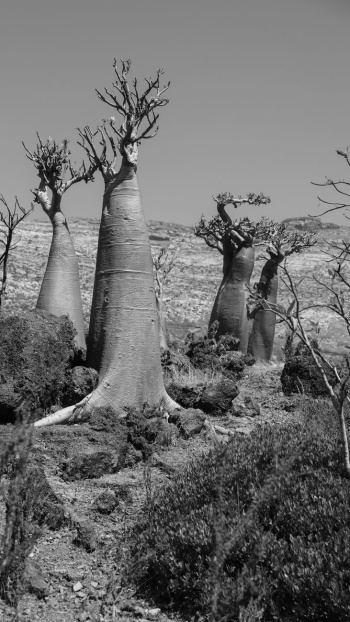
Madagascar, the fourth largest island in the world, is a land of remarkable contrasts and unparalleled biodiversity. Located off the southeastern coast of Africa, this island nation is often called the 'eighth continent' because of its unique ecosystems and the fact that over 90% of its wildlife is found nowhere else on Earth. From the iconic baobab trees silhouetted against sunset skies to the playful lemurs leaping through rainforests, Madagascar offers a travel experience unlike any other. Its coastline stretches for thousands of kilometres, fringed with pristine beaches, coral reefs, and idyllic islands like Nosy Be and Île Sainte-Marie. Inland, the highlands rise to form a central spine of terraced rice paddies, volcanic massifs, and bustling market towns. The capital, Antananarivo, blends French colonial architecture with vibrant Malagasy culture, serving as the gateway to adventure.
In such a diverse and often remote destination, reliable mobile internet is not just a convenience but a valuable tool for any traveller. Navigation apps become essential when exploring poorly signposted national parks or winding city streets. Booking accommodation on the go, checking transport schedules for intercity taxi-brousses, or storing digital tickets for domestic flights can save hours of uncertainty. Communication with locals and fellow travellers is greatly enhanced through translation apps and messaging services, allowing you to learn a few phrases of Malagasy or French. For those combining work and travel, access to email and cloud services is possible in urban areas. In case of emergencies, having a data connection means you can quickly reach local authorities, your embassy, or medical services. An eSIM provides a practical way to stay connected without hunting for a physical SIM card upon arrival or facing potentially high roaming charges from your home operator. While it may not always be the cheapest option, its ease of setup and immediate availability make it an attractive choice for many visitors to Madagascar.
Mobile Internet in Madagascar

The mobile internet landscape in Madagascar has seen steady improvement over recent years, but travellers should set realistic expectations. In major cities such as Antananarivo, Antsirabe, and Toamasina, 4G coverage is generally reliable, allowing for decent web browsing, social media, and messaging. Some urban areas may also have limited 5G availability, introduced by leading operators in select hotspots, but widespread 5G remains a distant goal and cannot be guaranteed. As you move into rural regions, the picture changes dramatically. Vast swathes of the countryside, including many of the country’s famed national parks, have patchy or no signal at all. Even on popular tourist routes, coverage can drop suddenly when passing through valleys or forests.
Tourist areas present a mixed situation. In beach destinations like Nosy Be and Île Sainte-Marie, you will usually find 3G or 4G at hotels and in main towns, though speeds may slow during peak usage hours. In remote parks such as Tsingy de Bemaraha or Marojejy, connectivity is minimal, and downloading offline maps and content beforehand is strongly recommended. Indoor coverage can be weaker than outdoor signals, especially in thick-walled stone buildings or lodges built from local materials. Network congestion is common during holidays and festivals when locals and visitors flood popular spots.
Factors influencing your experience include the terrain (mountains and dense forests block signals), distance from cell towers, weather conditions, and the specific frequencies supported by your device. The actual coverage you encounter will also depend on the partner network(s) your eSIM plan connects to, as well as your phone’s compatibility with local bands. Setting proper expectations will help you stay connected where possible and enjoy a digital detox where it’s not.
Mobile Network Operators

Madagascar’s mobile telecommunications market is served by a small number of established operators, the most prominent being Orange Madagascar and Telma (Telecom Malagasy). These two companies operate the largest networks and are often the foundation for both local subscriptions and roaming agreements. A smaller player, Blueline, also contributes to competition, particularly in urban zones, though its coverage is significantly more limited.
Orange Madagascar, part of the French Orange Group, has invested considerably in 4G infrastructure and offers broad coverage across the island, including many tourist hubs. Telma, a Malagasy company with a long history, also provides extensive service and has been working to expand its 4G footprint. Both operators have introduced 5G in select areas of the capital, but these deployments are nascent and mostly experimental. Virtual network operators or MVNOs exist but largely rely on the infrastructure of Orange or Telma.
When using an eSIM in Madagascar, your provider may partner with one or both of these networks. The specific network or networks available to you will depend on the plan you choose, and not all plans grant access to multiple operators. Manual network selection might be possible on your device, allowing you to switch between available partners if your plan supports it, but this cannot be assumed. Similarly, 5G access is contingent on the plan, your device’s compatibility, and the local network’s readiness. Automatic switching between all available networks is not guaranteed and roaming on a partner network may not always deliver the same performance as a local SIM. Always check the details of your selected eSIM plan to understand which networks you can use.
Exploring the Island

Madagascar is a treasure trove for adventurous travellers, with attractions ranging from otherworldly stone forests to lemur-filled reserves. Antananarivo, the bustling capital, is often the starting point. Its hills offer panoramic views, and the Royal Hill of Ambohimanga, a UNESCO World Heritage site, provides a deep dive into Merina history. Further south, Antsirabe charms with its faded colonial elegance, rickshaws, and thermal springs. The port town of Toamasina (Tamatave) is the gateway to the east coast’s lush vegetation and the historic Canal des Pangalanes.
For nature lovers, the country is a paradise. The Avenue of the Baobabs near Morondava is a photographer’s dream, especially at dawn and dusk. The surreal karst pinnacles of Tsingy de Bemaraha National Park offer challenging hikes and unforgettable scenery. Isalo National Park features sandstone massifs, deep canyons, and natural swimming holes. In the rainforests of Andasibe-Mantadia and Ranomafana, you can track lemurs, chameleons, and rare birds. The island of Nosy Be and the smaller surrounding isles provide classic tropical beach holidays with excellent snorkelling and diving. Île Sainte-Marie, once a pirate haven, is now a quiet retreat for whale watching (July to September).
Mobile internet can enrich your sightseeing in many practical ways. Use maps to navigate the rugged roads, research opening hours for parks and museums on the fly, or book a last-minute guided trek via WhatsApp. Translation apps help you communicate with guides who may only speak Malagasy or French. During wildlife tours, you can instantly identify creatures with image-search tools or share your sightings with fellow enthusiasts. However, because connectivity vanishes in many remote parks, download maps, tickets, and reference materials offline before you set out. Hotels and lodges often have Wi-Fi, but an eSIM gives you the reassurance of your own data connection when you need it most.
Cultural Insights and Interesting Facts

Madagascar’s rich culture is shaped by a blend of Austronesian and African influences, a legacy of the seafarers who settled the island over a thousand years ago. The Malagasy language is spoken throughout the country, with regional dialects, while French remains common in administration and education. English is less widely used, so learning a few polite phrases in Malagasy can greatly enrich your interactions.
One of the most fascinating cultural concepts is fady, a system of taboos that varies from region to region and even between families. Fady can prohibit certain foods, behaviours, or places, and respecting these traditions is essential for building good relationships. Similarly, the custom of famadihana, or the turning of the bones, is practiced by some highland groups: families exhume ancestral remains, rewrap them in fresh shrouds, and celebrate with music and dance. Participation or observation should be approached with sensitivity and permission.
Food is central to daily life. Rice (vary) is the staple, typically served with a meat or fish accompaniment. Romazava, a hearty stew of beef and leafy greens, is considered the national dish. Street food is abundant in cities: savoury samosas, fried bananas, and freshly baked baguettes are popular snacks. Meals are often eaten communally, and it is polite to wash your hands before sitting down. Tipping is not a widespread custom but is appreciated in tourist-oriented restaurants and by guides.
Transport is an adventure in itself. The taxi-brousse network connects almost every town, though journeys can be long, crowded, and unpredictable. Internal flights are available for major routes, saving time but requiring planning. Travel etiquette: when visiting villages, it is respectful to greet elders first and ask before taking photographs. Madagascar’s pace is unhurried, and patience will serve you well. Markets buzz with colourful produce and crafts; haggling is expected but should be done with a smile.
Setting Up Your eSIM

Installing and activating an eSIM for your trip to Madagascar is a straightforward process, but it requires careful attention to a few key steps. First, ensure that your smartphone supports eSIM functionality. Most recent iPhones (XS, XR and newer), Google Pixel devices from the Pixel 3 onwards, and many Samsung Galaxy models are compatible. Equally critical is that your device is carrier-unlocked; a phone locked to a specific network will not accept a third-party eSIM.
You will typically receive a QR code and activation details from your eSIM provider via email after purchase. It is best to install the eSIM while you have a stable Wi‑Fi connection, ideally before you leave home or upon arrival at your hotel. Open your phone’s settings, look for the mobile or cellular plan option, and select “Add eSIM.” Scan the QR code or enter the manual details provided. The profile will download and appear as a secondary line on your device. Once installed, you can label it (e.g., “Madagascar eSIM”) to avoid confusion. Keep the original QR code and activation information stored securely; some eSIMs can only be installed once, and if you accidentally delete the profile, you may need the provider’s assistance to restore it.
Before your departure, or upon arrival, turn on the eSIM line and configure it as the default for mobile data. Depending on your provider’s instructions, you may also need to enable data roaming on this line for it to work on the partner network in Madagascar. It is vital to disable data roaming on your primary SIM to prevent unexpected charges. Even if you do not intend to use your home number, background data can trigger costly roaming fees. You should also turn off “automatic switching” of mobile data if your phone offers it, ensuring that only the eSIM is used for internet.
Note that not all eSIM plans activate at the same time. Some start automatically upon installation, while others only begin when you first connect to a supported network at your destination. If you encounter issues after arriving, a device restart, toggling airplane mode, or manually selecting the network in settings can help. Check that the Access Point Name (APN) settings match those provided by your eSIM provider. If problems persist, reach out to your eSIM provider’s customer support. Remember, good preparation ensures you stay connected as soon as you land.
Ready to travel to Madagascar?
Choose your eSIM before departure and connect to mobile internet as soon as you arrive.