











eSIM Montenegro: Travel and Mobile Internet Guide
Essential travel information, mobile internet advice and useful tips for your journey to Montenegro.
Introduction to Montenegro

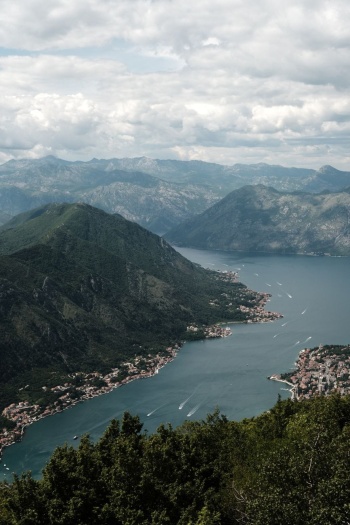
Montenegro, a small Balkan nation on the Adriatic Sea, is a hidden gem of rugged mountains, medieval villages, and a stunning coastline. Despite its compact size, the country packs a remarkable variety of landscapes, from the deep blue waters of the Bay of Kotor to the dramatic peaks of Durmitor National Park. Tourists are drawn to its charming old towns, pristine beaches, and outdoor adventures such as hiking, rafting, and sailing.
While exploring Montenegro, having reliable mobile internet makes travel smoother and more enjoyable. You can use online maps for navigation along winding mountain roads, book last-minute accommodation or ferry tickets, access digital boarding passes, and translate signs or menus instantly with translation apps. Staying connected also lets you share your experiences with family and friends, keep up with work if needed, and quickly look up emergency contacts or local information. Whether you need to check the opening hours of a museum or find the best local restaurant, mobile data is an invaluable travel tool.
For travellers, an eSIM can be a convenient alternative to a physical travel SIM or relying on your home operator's roaming service. With an eSIM, you can activate a data plan digitally before or upon arrival without swapping physical cards, while keeping your primary SIM active for calls and texts. However, it is important to remember that an eSIM is not always the cheapest option, and careful management of your primary SIM's data roaming settings helps avoid unexpected charges.
Mobile Internet in Montenegro

Montenegro has built a fairly robust mobile infrastructure, particularly along the Adriatic coast and in larger towns. In cities such as Podgorica, Nikšić, and coastal hubs like Budva, Kotor, and Bar, you can generally expect solid 4G/LTE coverage, allowing for smooth browsing, video streaming, and app usage. The country's mobile operators have invested in expanding network capacity, especially in areas with high tourist traffic.
However, the mountainous terrain that makes Montenegro so scenic also presents challenges for mobile signals. In rural valleys, deep canyons, and remote mountain areas, coverage can become weak or intermittent. National parks like Durmitor, Biogradska Gora, and Prokletije may have limited or no signal on certain trails and remote viewpoints. Even in populated coastal towns, thick stone buildings in old quarters can reduce indoor signal strength. During the peak summer season, the influx of visitors can cause network congestion, temporarily slowing data speeds in hotspots like Budva's beaches or Kotor's old town.
5G networks are still in early stages. Some 5G coverage exists in parts of Podgorica and a few other central locations, but it is not yet widespread or guaranteed. Many eSIM plans connect primarily to 4G, and 5G access depends on the selected plan, your device compatibility, and the partner network's availability at your location. It is wise to manage expectations: even in areas with coverage, actual speeds can vary due to signal strength, network load, and your device's capabilities.
When using an eSIM, remember that coverage depends on the roaming agreements of your eSIM provider. Your eSIM may only connect to one of Montenegro's operators, so you may not have access to all networks. Always check the provider's coverage map for Montenegro if you plan to venture into less populated areas.
Mobile Network Operators in Montenegro

Montenegro's mobile market is served by three main network operators, each with its own history and infrastructure:
- Crnogorski Telekom – Part of the Deutsche Telekom group, it offers extensive 4G coverage across the country and has begun rolling out 5G in Podgorica and other major towns. It is known for reliable service and fair speeds, especially in urban and coastal zones. Its branding often appears as T-Mobile Montenegro.
- One Montenegro – Formerly Telenor, this operator was acquired by PPF Group and rebranded to One. It provides competitive 4G coverage and is incrementally expanding its 5G footprint. One has a strong presence in tourist areas and offers solid performance in most populated regions.
- Mtel – Backed by Telekom Srbija, Mtel has a comprehensive network covering urban areas and major roads, with ongoing upgrades to 4G capabilities. It is a dependable choice in many parts of the country.
Besides these primary operators, a few virtual operators and smaller providers also exist, but they generally rely on the infrastructure of the big three for coverage. When you use an eSIM in Montenegro, the available network partner depends on the specific eSIM plan you purchase. Some plans may connect to only one operator, while others might offer a choice or automatically select a network. Manual network selection on your device may or may not be supported, and even if available, it is not guaranteed to work with every eSIM plan. Moreover, 5G roaming is still limited: your eSIM may connect to a partner's 4G network even if that operator offers 5G locally. Device compatibility and the eSIM profile settings are also factors.
Ultimately, while competition among operators helps keep service quality reasonable, an eSIM user's experience in Montenegro is shaped by the provider's agreements and the specific plan they choose. Always review the details before buying.
Sightseeing and Travel in Montenegro

Montenegro may be one of Europe's smallest countries, but it boasts a surprising density of natural and cultural wonders. Whether you are a beach lover, a history buff, or an adrenaline seeker, you will find plenty to explore.
Coastal Gems
The Bay of Kotor (Boka Kotorska) is a breathtaking fjord-like bay surrounded by towering mountains. The UNESCO-listed old town of Kotor is a maze of cobblestone streets, squares, and medieval churches. Climb the city walls up to San Giovanni Fortress for panoramic views. Nearby Perast is a sleepy coastal village with the picturesque islets of Gospa od Škrpjela and Sveti Đorđe. Further south, Budva's old town is a compact peninsula with stone houses and lively nightlife, while its beaches draw sunseekers. The exclusive islet of Sveti Stefan, once a fishing village, is now a luxury resort connected to the mainland by a narrow causeway. Ulcinj, near the Albanian border, offers long sandy beaches like Velika Plaža, a haven for kitesurfers.
Historic and Cultural Sites
Inland, the old royal capital Cetinje houses museums, monasteries, and the former palace of King Nikola. The Ostrog Monastery, dramatically carved into a vertical cliff face, is Montenegro's most important pilgrimage site. The mausoleum of Petar II Petrović Njegoš atop Mount Lovćen in Lovćen National Park offers stunning views and a glimpse into national pride.
Nature and Adventure
Durmitor National Park, a UNESCO World Heritage site, features glacial lakes, dense pine forests, and the spectacular Tara River Canyon—the deepest in Europe. Rafting through the canyon is an unforgettable experience. Lake Skadar, shared with Albania, is the largest lake in the Balkans and a paradise for birdwatchers and boat trips. Biogradska Gora, one of Europe's last virgin forests, is ideal for peaceful hikes. For winter sports, Kolašin offers ski slopes in the Bjelasica mountains.
Mobile internet enhances these visits: use GPS to find trailheads in Durmitor, book rafting tours online, check ferry times on Lake Skadar, translate historical plaques, or share real-time photos from the walls of Kotor. A reliable connection can turn a good trip into a seamless experience.
Interesting Facts and Cultural Tips

Montenegro's culture is a vibrant mix of Mediterranean warmth and Balkan tradition. The locals, known for their laid-back attitude, often say 'Polako' (slowly) as a reminder to take life easy—a handy phrase for stressed travellers.
Food and Drink
Montenegrin cuisine reflects its geography. Coastal menus feature fresh seafood, black risotto, and grilled squid, while the mountains serve hearty dishes like kačamak (cornmeal porridge with cheese) and lamb cooked under a metal bell (sač). Njeguški pršut (dry-cured ham) and njeguški sir (cheese) from the village of Njeguši are must-try delicacies. The local drink of choice is rakija, a potent fruit brandy, with varieties like šljivovica (plum) and lozovača (grape). Coffee culture is ubiquitous; spending an afternoon sipping a strong Turkish-style coffee at an outdoor café is a national pastime.
Customs and Etiquette
Montenegrins are famously hospitable. If invited to someone's home, it is polite to bring a small gift like coffee, sweets, or wine. When greeting, a firm handshake and direct eye contact are the norm. Dress modestly when visiting monasteries or churches. Tipping in restaurants and for services is appreciated but not obligatory—rounding up the bill or leaving around 10% is common.
Festivals and Daily Life
The Mimosa Festival in Herceg Novi each February celebrates the blooming of mimosa flowers with parades and concerts. The Sea Dance Festival in Budva brings international music acts to a scenic beach setting. Orthodox Christmas (January 7) and Easter are widely observed, often with processions and family feasts. Outside the tourist season, many coastal towns become sleepy, and business hours may be shorter. Public transport can be infrequent, especially in rural areas, so renting a car is the best way to explore.
Off the Beaten Path
To escape crowds, head to the Prokletije (Accursed Mountains) near Plav and Gusinje, where hiking trails lead to pristine lakes and traditional katun (shepherd) settlements. The remote coastal area of Lustica Peninsula offers quiet olive groves and hidden coves. These less-visited spots are where Montenegro's raw beauty truly shines, and having mobile internet to check maps or translate local tips can be invaluable for an independent traveller.
eSIM Installation and Activation Guide

Getting your eSIM ready for Montenegro is straightforward but requires a few careful steps to ensure a smooth connection. First, verify that your smartphone supports eSIM technology. Most recent iPhone models (XR and later), Google Pixel, and Samsung Galaxy flagships are compatible, but it is best to check the manufacturer's specification. Additionally, your device must be unlocked; if it is locked to a specific carrier, an eSIM from another provider will not work.
Once you have purchased an eSIM plan, you will typically receive a QR code via email. Make sure you are connected to a stable Wi-Fi network before starting the installation, as the process requires internet access to download the eSIM profile. On your device, go to Settings > Cellular/Mobile Data > Add eSIM, and scan the QR code. Some providers also supply manual activation details (SM-DP+ address and activation code) that you can enter if the QR code is not accessible. Follow the on-screen prompts to complete the installation.
After adding the eSIM, label it clearly (e.g., 'Montenegro Travel') to distinguish it from your primary line. Then configure the settings: set the eSIM as the default line for mobile data, and ensure that Data Roaming is turned on specifically for the eSIM line if required by the provider. Many eSIMs for Montenegro need roaming enabled because the profile is treated as a foreign SIM even though you are in the country. To avoid incurring expensive roaming charges on your home SIM, disable Data Roaming on your primary line or turn off that line entirely when not needed. Also, carefully manage iMessage/FaceTime settings to avoid accidental use of your primary number for data.
Activation timing varies: some eSIMs activate immediately during installation, while others may only become active when you connect to a supported Montenegrin network. Keep your QR code and activation information stored safely, as you may need them if you reset your device. Do not delete the eSIM unless the provider confirms it can be reinstalled, as many plans become invalid after removal. If you encounter issues, first check that your device's software is up to date, restart the phone, and verify the APN settings provided by the eSIM provider. You can also try manually selecting a different network under the eSIM's network selection menu. If problems persist, contact the eSIM provider's support.
Ready to travel to Montenegro?
Choose your eSIM before departure and connect to mobile internet as soon as you arrive.