











Netherlands Travel eSIM Guide: Stay Connected Across the Canals and Tulip Fields
Essential travel information, mobile internet advice and useful tips for your journey to Netherlands.
Why a Netherlands eSIM Makes Your Trip Easier

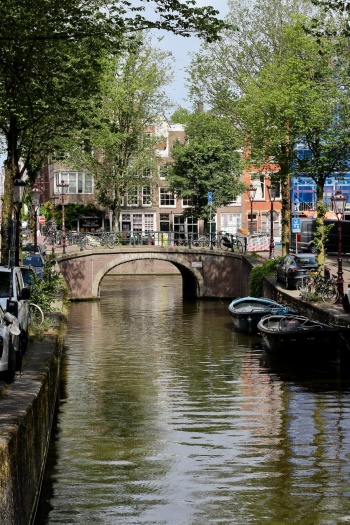
The Netherlands is a compact yet endlessly rich destination, famous for its iconic canals, windmills, tulip fields and world-class art museums. From the vibrant streets of Amsterdam to the medieval charm of Utrecht and the innovative architecture of Rotterdam, the country offers a seamless blend of history and modernity. Navigating this bike-friendly nation and making the most of its cultural offerings is far easier when you have reliable mobile internet. Whether you are booking a last-minute hotel in the canal district, pulling up digital train tickets on the NS app, or translating a Dutch menu on the fly, a stable connection is no longer a luxury but a genuine travel essential.
For many visitors, staying connected means weighing up the options: using their home operator's roaming service, buying a physical SIM card upon arrival, or setting up an eSIM before they even pack their bags. An eSIM can be a particularly convenient alternative because it is installed digitally and does not require you to swap out your existing SIM card. This lets you keep your regular number active for calls and texts while using a separate data plan for all your internet needs. It is especially helpful in a country where so much of daily life — from public transport schedules to museum entry slots — moves online. However, it is not automatically the cheapest solution in every situation, so it is worth comparing it to local prepaid options if your priority is the very lowest cost.
Beyond convenience, having data at your fingertips means you can use real-time navigation for cycling routes, order an Uber or check tram times, and stay in touch with friends and family via messaging apps. You can also access emergency information, keep an eye on weather changes, and even handle remote work tasks while sitting in a café overlooking a canal. Reliable connectivity adds a layer of safety and flexibility to your journey, allowing you to adjust plans spontaneously without hunting for Wi-Fi hotspots. Whether you are exploring the Wadden Islands or the lively streets of The Hague, an eSIM can be a practical travel companion that helps you move through the Netherlands with confidence and ease.
Mobile Internet and Coverage in the Netherlands

The Netherlands boasts one of the most advanced mobile network infrastructures in Europe. The country has seen early and extensive 4G rollouts, meaning that even in many rural locations you are likely to find a usable LTE signal. In large and medium-sized cities such as Amsterdam, Rotterdam, The Hague and Eindhoven, 4G coverage is generally excellent, with high data speeds in most open-air locations. Indoor coverage can also be very good in modern buildings, though older structures with thick walls — especially in historic city centers — may experience some signal attenuation.
5G continues to expand, particularly in urban areas and along major transport corridors. While many modern handsets and eSIM plans support 5G, availability is not universal. In city cores and some suburban zones you might connect to 5G and notice faster downloads and lower latency, but this depends on your specific device, your selected eSIM plan, and the partner networks that the eSIM provider uses. In less densely populated regions, such as parts of Friesland, Drenthe or Zeeland, 5G may be patchy or absent, and the network may fall back to 4G. It is wise to assume 4G as the reliable baseline and treat 5G as a bonus where it appears.
Tourist-heavy spots like the Keukenhof gardens, the Zaanse Schans open-air museum, or the canal belt of Amsterdam can be a mixed experience. Coverage is usually present, but during peak visitor periods — particularly during tulip season in April and May — network congestion can slow down data speeds noticeably. The same can happen at large festivals such as King's Day celebrations or outdoor concerts. If you plan to use data-intensive services like video calls or live streaming, early mornings or less crowded times may yield a smoother connection.
Rural and island destinations, including the Frisian Islands (Wadden Islands) like Texel, Terschelling and Ameland, generally have acceptable mobile coverage in villages and tourist centers, but signals can weaken on isolated beaches, dune areas, or while walking on mudflats. Indoor coverage in remote holiday cottages can also be less reliable. It is a good idea to download offline maps and any critical information before heading into very remote corners.
Overall, the Dutch mobile environment is well-developed, but actual performance depends on a variety of factors: your location, the time of day, your device’s capabilities, the specific eSIM plan you have chosen, and which partner network is being used. No network operator guarantees flawless coverage everywhere, so some dead spots may still be encountered, especially underground, in basements, or inside dense concrete structures.
Mobile Network Operators and eSIM Partner Networks

The Dutch mobile market is served by several established operators that together provide extensive nationwide coverage. The three primary infrastructure-owning networks are KPN, Odido (which was previously known as T-Mobile Netherlands) and VodafoneZiggo. Each of these operators maintains its own radio access network and offers high-speed data services, and they all support 4G and expanding 5G across large parts of the country.
KPN is the former state-owned incumbent and has one of the widest coverages, extending into many rural areas and along motorways. Its network is generally regarded as robust, and KPN has been rolling out 5G using a mix of frequency bands that allow both wide coverage and higher capacity in busy zones. VodafoneZiggo is a joint venture between Vodafone and the cable company Ziggo; it provides strong coverage in urban centers and benefits from the global Vodafone roaming footprint. Odido, which underwent rebranding from T-Mobile in 2023, has made significant investments in 5G and markets itself as an innovative, data-friendly operator. Its network serves a large number of private and business customers.
In addition to these three, there are many mobile virtual network operators (MVNOs) that use the infrastructure of KPN, Odido or VodafoneZiggo. Well-known MVNO brands include Simyo, Ben, and Budget Mobiel on the KPN network; Lebara, Lyca Mobile and Youfone on the KPN or other networks depending on the offering. These virtual operators often sell prepaid SIM cards that visitors might encounter in local shops.
When you purchase an eSIM plan for the Netherlands, the provider may partner with one or more of the national mobile operators. Some eSIMs connect only to a single network, while others may offer access to two or even all three major networks. This means the quality of your connection can vary: one plan might use KPN and give you excellent rural coverage, while another might prefer Odido’s strong 5G footprint in cities. It is therefore important to check the details of your chosen eSIM plan — the available partner network or networks will be determined by the provider’s agreements. Manual network selection is sometimes possible but not guaranteed; many eSIMs will automatically connect to the strongest available partner signal. It is also not advisable to assume that your phone will seamlessly switch between all available operators, as that behaviour depends on the eSIM profile and the roaming arrangements in place.
5G access is another variable. Just because an eSIM provider says it includes 5G does not mean you will get 5G everywhere: it must be supported by your device, active on the partner network in your exact location, and enabled in your plan. If any of these conditions is not met, your connection will default to 4G. Being informed about the partners and network technology used can help set realistic expectations and avoid disappointment.
Exploring the Netherlands: Cities, Culture and Canals

The Netherlands packs an astonishing variety of experiences into a small area. Its excellent public transport network and bicycle-friendly infrastructure mean you can explore multiple cities and landscapes in a short trip. With a reliable mobile connection, you can plan journeys on the fly, buy digital museum passes, or find the best local pancake house in seconds. Below are some of the country’s most rewarding destinations and how mobile internet can enhance your visit.
Amsterdam
The capital is a must-see, with its 17th-century canal ring, world-class museums and lively neighbourhoods. The Rijksmuseum, Van Gogh Museum and Anne Frank House are top-tier attractions, and booking time-slot tickets in advance is highly recommended — an easy online task if you have mobile data. Navigation apps help you wander the Jordaan district and find hidden hofjes (courtyards) without getting lost. When you need a break, online reviews point you to a nearby café or brown bar.
Rotterdam
Rotterdam’s bold, modern architecture tells the story of a city rebuilt after wartime destruction. The Cube Houses, Markthal, Erasmus Bridge and the Depot Boijmans Van Beuningen art storage facility — the world’s first publicly accessible art depot — are striking landmarks. With an internet connection, you can check opening hours, use an augmented reality app to learn about the buildings, or book a Spido harbour tour on the spot.
The Hague and Scheveningen
The Hague, the seat of Dutch government, is elegant and culturally rich. The Mauritshuis houses Vermeer’s Girl with a Pearl Earring, and the Peace Palace is an icon of international law. Nearby, the seaside resort of Scheveningen offers a wide sandy beach, a pier and seafood restaurants. Having data allows you to check surf conditions, compare restaurant menus, or buy last-minute tickets for attractions like Madurodam, a miniature park that showcases the Netherlands in tiny scale.
Utrecht and the Central Arc
Utrecht’s Dom Tower dominates a city of unique wharf cellars along the Oudegracht canal. It is less crowded than Amsterdam but equally photogenic. Biking around the city and into the surrounding wooded estates is a delight; use your phone to rent an OV-fiets or find a cycle route. Just east, the Hoge Veluwe National Park offers vast heathlands, sand dunes and the Kröller-Müller Museum, which has a superb Van Gogh collection. Inside the park, free White Bicycles are available — offline maps can be a sanity-saver if the signal dips among the trees.
Classic Dutch Landscapes
The windmills of Kinderdijk, a UNESCO World Heritage site, are best visited early or late to avoid crowds. Real-time traffic and public transport apps can help you reach the site efficiently. In spring, the bulb fields around Lisse and the Keukenhof gardens explode with colour; mobile navigation can lead you to less-visited flower routes where you can take photos without the masses. The dike-enclosed polders of North Holland, the historic cheese-weighing house in Alkmaar, and the traditional fishing villages of Volendam and Marken all benefit from a connection that helps you translate information boards, check ferry times, and find authentic local eateries away from the main tourist streets.
Dutch Culture, Customs and Practical Tips

The Netherlands is a country shaped by its relationship with water, and that influence extends from the landscape to the national psyche. Roughly a quarter of the country lies below sea level, and the vast system of dikes, dunes and storm surge barriers is a source of pride. This need for collective water management has helped create a society that values pragmatism, consensus and directness — traits you will encounter in everyday interactions.
Cycling is the quintessential Dutch mode of transport. There are more bicycles than residents, and dedicated cycle lanes criss-cross both cities and countryside. As a visitor, renting a bike is a brilliant way to explore, but it pays to learn basic rules: use hand signals, stay to the right, and give way to traffic from the right at unmarked intersections. Jumping on a bike with a navigation app that offers bicycle-specific routes (such as the Fietsknoop system) can turn a simple ride into a self-guided tour.
Food culture in the Netherlands is hearty and unpretentious. Street food staples like raw herring with onions, stroopwafels and thick-cut fries with mayonnaise are everywhere. In winter, stalls sell oliebollen (deep-fried dough balls) and pea soup on cold days. For a sit-down meal, try stamppot (mashed potatoes with vegetables and sausage) or pannekoeken (large, thin pancakes). Indonesian rijsttafel is a legacy of colonial history and a true culinary experience. Supermarkets are great for picnic supplies, but they close early by international standards — usually by 20:00 or 21:00, and later on Thursdays and Fridays in some areas.
Public holidays and festivals greatly influence the rhythm of life. King’s Day on 27 April transforms the whole country into a sea of orange, with street markets, boat parties and outdoor concerts. In the predominantly Catholic south, Carnival involves elaborate parades, costumes and days of celebration before Lent. Sinterklaas (5 December) is the traditional gift-giving holiday, while Christmas is generally low-key and family-oriented. If you are travelling during these periods, booking accommodation and transport well ahead is essential, and having internet access helps you keep track of altered timetables and event programmes.
Dutch society is famously liberal and tolerant, but also governed by a sense of order. Queuing is expected in shops and public transport, and loud or disruptive behaviour can draw frowns. The Dutch directness can sometimes seem blunt, but it is rarely intended to offend. English is spoken fluently by the vast majority, so getting by without Dutch is easy. Still, learning a few basic phrases such as dank u wel (thank you) and alstublieft (please) will be warmly received. Tipping is not mandatory, as service is typically included, but rounding up the bill or leaving small change is a kind gesture for good service. Finally, note that drinking tap water is entirely safe, and bringing a reusable water bottle can save you money and reduce plastic waste.
How to Install and Activate Your Netherlands eSIM

Getting your Netherlands eSIM up and running is generally a quick process, but a little preparation goes a long way. Before you purchase a plan, confirm that your smartphone supports eSIM functionality. Most recent flagship models from Apple, Samsung, Google and others have this capability, but older or entry-level devices might not. Equally important, your phone must be unlocked — meaning it is not restricted to a single carrier’s network. If you bought your device through a network provider, check with them if you are unsure about its unlocked status.
Once you have bought your eSIM, you will receive a QR code and often a set of manual activation details via email or in a user portal. It is strongly recommended to complete the installation while you are connected to a stable Wi-Fi network, ideally before you depart for the Netherlands or shortly after arrival when you have access to hotel Wi-Fi. On most devices, you go to the mobile or cellular settings, select the option to add a new plan, and scan the QR code. If scanning fails, you can input the activation code and SM-DP+ address manually using the details provided.
During setup, you will be asked to label your new plan (for example, “Netherlands eSIM”) and will need to choose how it is used. Assign the eSIM as the primary line for mobile data to ensure that all your internet activity goes through the travel plan. This step is crucial for avoiding accidental roaming charges on your primary SIM. Double-check that data roaming is enabled for your eSIM line if your provider instructs you to do so — some travel eSIMs require roaming to be switched on even when you are in the destination country. At the same time, it is wise to disable data roaming on your primary SIM to prevent it from connecting to a foreign network and generating unexpected costs.
Activation timing varies. Some eSIMs activate the moment the profile is added, while others may only start when the device actually connects to a supported network in the Netherlands. This means that if you install at home, you may see a “No Service” or “Activating” status that resolves upon landing. Do not remove or delete the eSIM unless your provider clearly states that it can be reinstalled — many eSIM plans are single-installation and cannot be recovered once deleted. Keep the original QR code and all activation information stored safely, such as in a password manager or a printed copy, in case you need to reinstall later.
If you encounter problems after arrival, start with the basics: restart your phone, which often resolves temporary network registration issues. Then check that the APN (Access Point Name) settings match those given by your eSIM provider; sometimes they are set automatically, but manual verification can fix connectivity gaps. If you still have no signal, try a manual network selection scan in your phone’s settings to see if a partner network can be chosen directly. This is especially useful if the eSIM appears stuck on an incorrect network. Remember that service performance will always be shaped by your device’s compatibility, the local infrastructure, and the specific partner network your eSIM provider uses, so being patient and methodical usually gets you connected without too much hassle.
Ready to travel to Netherlands?
Choose your eSIM before departure and connect to mobile internet as soon as you arrive.