









Rwanda eSIM & Travel Guide: Stay Connected in the Land of a Thousand Hills
Essential travel information, mobile internet advice and useful tips for your journey to Rwanda.
Introduction to Rwanda

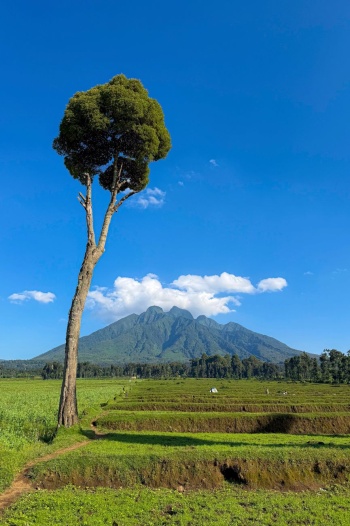
Rwanda, often called the 'Land of a Thousand Hills', has emerged as one of Africa's most compelling travel destinations. From the vibrant capital Kigali to the misty volcanoes of the Virunga Mountains, this small East African nation offers visitors a unique blend of natural beauty, rich culture, and remarkable recovery from its tragic past. As you plan your journey, staying reliably connected is essential for navigating the country's winding roads, booking accommodation, arranging gorilla trekking permits, and communicating with guides and local contacts.
Having a dependable mobile internet connection while travelling in Rwanda can greatly enhance your experience. Whether you need real-time navigation to find your way between national parks, last-minute transport bookings, digital tickets for cultural events, or translation help when conversing with locals in Kinyarwanda, a stable data connection is invaluable. Many travellers also rely on their phones for remote work, sharing memories with family back home, or accessing emergency information. Without a local data plan, you might face expensive roaming charges from your home operator or be forced to hunt for Wi-Fi hotspots, which can be scarce outside major hotels.
An eSIM offers a practical alternative to traditional physical SIM cards. With an eSIM, you can purchase and activate a data plan for Rwanda before you even leave home or while connected to Wi-Fi upon arrival. This eliminates the need to visit a local store, swap physical SIM cards, or risk losing your primary SIM. While an eSIM may not always be the cheapest option, its convenience, immediate connectivity, and ability to keep your home number active make it an appealing choice for many international visitors. By installing an eSIM, you can enjoy seamless data coverage as soon as you land in Kigali, helping you make the most of your Rwandan adventure.
Mobile Internet in Rwanda

Rwanda's mobile network infrastructure has improved significantly in recent years, with 4G LTE widely available in major urban centres and along key transport corridors. The capital Kigali and secondary cities like Musanze, Huye, and Rubavu generally enjoy strong 4G signals, allowing for smooth video calling, social media, and map-based navigation. Coverage extends to many tourist hubs, including the gateway towns for Volcanoes National Park and Akagera National Park, though speeds and reliability can vary.
5G is still in its infancy in Rwanda. While some operators have announced trials, widespread 5G deployment is not yet a reality, and you should not expect consistent 5G connectivity during your visit. Even 4G availability can be inconsistent once you venture into rural areas, mountainous regions, or remote parts of the countryside. Inside national parks, such as Nyungwe Forest or the Virunga volcanoes, signal coverage is often limited or non-existent due to dense vegetation and rugged terrain. Indoor coverage in hotels, lodges, and restaurants is usually adequate in cities but may be weaker in more remote accommodations, where solid walls or mountain shadows can block signals.
Cellular towers are less dense in Rwanda's eastern savannah and western lakeside regions, meaning you may experience slower speeds or temporary network congestion during peak times or at popular tourist viewpoints. Factors like your device's compatibility with local frequency bands, network load during festivals or public holidays, and the specific eSIM plan you choose can all influence your real-world experience. Please note that actual coverage and performance will depend on your location, the partner network your eSIM connects to, and general mobile network conditions. While eSIM plans often provide a reliable service, it's wise to download offline maps and important travel documents as a backup when exploring off-the-beaten-path destinations.
Mobile Network Operators in Rwanda

Rwanda's telecommunications landscape is dominated by two principal mobile network operators: MTN Rwanda and Airtel Rwanda. These companies have built the backbone of the country's mobile infrastructure and offer the most extensive coverage.
MTN Rwanda
As the market leader, MTN Rwanda boasts the widest network footprint, especially in rural and peri-urban areas. It has invested heavily in 4G technology and provides reliable voice and data services across most of the country. Many travellers find that an eSIM plan using the MTN network delivers a dependable connection in popular tourist regions, including Kigali, Musanze, and Gisenyi.
Airtel Rwanda
Airtel is the second-largest operator and a strong competitor, with a growing 4G network that covers major towns and highways. Its signal is robust in Kigali and many secondary cities, and it continues to expand into more remote districts. Some eSIM plans may utilise Airtel's infrastructure, offering an alternative if MTN is congested or unavailable in certain pockets.
The eSIM you purchase may provide access to one or both of these networks, but the exact partner networks depend on the specific plan you select. Manual network selection may be possible on some devices, allowing you to switch between available operators, though this feature is not guaranteed by every eSIM provider. Additionally, 5G access—if available in limited areas—will require a compatible device and a plan that explicitly supports it. Bear in mind that smaller virtual operators exist, but they typically use the infrastructure of MTN or Airtel, so coverage ultimately traces back to these major networks. Always check your eSIM plan details to understand which network you'll be using and whether automatic or manual selection is supported.
Sightseeing and Travel Tips for Rwanda

Rwanda packs an astonishing array of sights into a country smaller than Switzerland. Most journeys begin in Kigali, a clean, safe, and rapidly modernising capital built over several hills. The Kigali Genocide Memorial is an essential and deeply moving stop, offering profound insight into the country's history and resilience. From there, you can explore the bustling Kimironko Market for crafts and fabrics, or enjoy panoramic views from the heights of Mount Kigali.
No trip to Rwanda is complete without visiting Volcanoes National Park in the northwest. This is the prime destination for mountain gorilla trekking, a once-in-a-lifetime experience that requires advance permits and early morning starts. Mobile internet can be a lifesaver here—you can check permit availability, coordinate with tour operators via messaging apps, and use GPS to navigate the winding roads from Musanze. While deep in the forest you'll lose signal, having data connectivity at camp or in town allows you to share photos and keep in touch.
For wildlife enthusiasts, Akagera National Park in the east offers a classic African savannah experience with elephants, lions, hippos, and a reintroduced population of black rhinos. You can self-drive or hire a guide, and a reliable data connection helps you book park entry, download maps, and check weather updates. In the south, Nyungwe Forest National Park is a biodiversity hotspot famous for chimpanzee tracking and the thrilling Canopy Walkway high above the rainforest floor. The trail network and chimpanzees draw adventure seekers, and having internet access makes arranging permits and transportation much simpler.
Lake Kivu, one of Africa's Great Lakes, provides a serene backdrop for relaxation in towns like Gisenyi and Kibuye. Here you can swim, kayak, or take boat trips to explore the islands. The lake is also a great place to unwind after days of trekking. Mobile data can help you discover hidden beaches, book lakeside accommodations, and find the best coffee shops. Other cultural gems include the Royal Palace Museum in Nyanza, where you can learn about Rwanda's monarchy, and the Ethnographic Museum in Huye, showcasing traditional artefacts and crafts. Throughout your travels, whether you're hiking the scenic Congo Nile Trail or observing the vibrant Nyamirambo neighbourhood in Kigali, having mobile internet lets you instantly translate Kinyarwanda phrases, access digital maps, and keep your travel plans flexible.
Interesting Facts and Cultural Insights

Rwanda's culture is defined by a strong sense of community, respect, and a forward-looking spirit. One notable tradition is Umuganda, the monthly community service day held on the last Saturday of every month. From 8 am to 11 am, citizens gather to clean streets, build houses for the vulnerable, or work on infrastructure projects. Travellers are not expected to participate but may observe how public life slows down during these hours, with many businesses opening later. Join in if you're invited—it's a wonderful way to connect with locals.
In daily life, greetings are important. A firm handshake, often with the left hand supporting the right forearm, is a sign of respect. When meeting a group, greet each person individually. Rwandans are generally soft-spoken and modest, so loud or confrontational behaviour is considered impolite. Dress conservatively, especially in rural areas and when visiting memorials or religious sites. Note that Rwanda has banned single-use plastic bags since 2008, so pack reusable bags and be prepared to leave plastic wrappings behind at the airport.
Rwandan cuisine is simple but satisfying. Staples include plantains, sweet potatoes, beans, and cassava. Brochettes (goat or beef kebabs) are popular street food, often served with roasted potatoes or chips. A typical lunch might be a buffet of starches, sauces, and grilled meats, known as "mélange." Milk and millet-based porridges are common beverages, while local specialities like sambaza (small fried fish from Lake Kivu) are a must-try. The country's coffee is world-class, and you can enjoy a cup at countless small cafés in Kigali and beyond.
Annual festivals add colour to any visit. Kwita Izina, the gorilla-naming ceremony held in Kinigi, draws international attention as newborn gorillas are given names in a festive public event. Umuganura, the harvest festival, celebrates Rwanda's agricultural heritage with traditional dances, music, and food. On the road, you'll see hundreds of moto-taxis buzzing through the streets—they are a common and affordable way to get around, though always negotiate the fare beforehand. For a less-touristed experience, head to the northern lakes of Burera and Ruhondo, where twin blue lakes sit nestled in volcanic landscapes, or explore the Musanze Caves, a network of lava tubes formed by ancient eruptions. These spots are often blissfully uncrowded and offer a glimpse of Rwanda's quieter side.
eSIM Activation and Setup Guide

Before your trip, ensure that your smartphone supports eSIM technology and is network-unlocked. Most recent iPhone, Google Pixel, and Samsung Galaxy models include eSIM functionality, but it's best to check your device specifications. An eSIM cannot be installed on carrier-locked devices, so verify this with your home operator if you are unsure.
Once you purchase an eSIM plan for Rwanda from a provider like eSIM TravelNet, you will typically receive a QR code via email. You can also receive manual activation details—such as an SM-DP+ address and activation code—that you enter in your phone's settings. To install the eSIM, connect to a stable Wi-Fi network, then go to your device's cellular or mobile data settings and choose 'Add eSIM' or 'Add Data Plan'. Scan the QR code or enter the details manually. Some devices may require you to assign a label, like 'Rwanda eSIM', for easy identification.
After installation, set the eSIM as your primary data line. Many providers require you to enable data roaming on the eSIM line for it to work correctly, even if you are in Rwanda—check your plan's instructions. To avoid unwanted charges, ensure that your primary SIM is not used for data: disable 'Allow Cellular Data Switching' and set voice/SMS to your primary line if needed, but data exclusively on the eSIM. You may incur roaming charges on your primary SIM if you make calls or send texts, so use internet-based messaging apps to communicate.
Activation timing can differ between providers. Some plans activate immediately upon installation, while others only activate when your device connects to a supported local network in Rwanda. Keep your QR code or activation information safe; you may need it if you accidentally delete the eSIM profile. Note that most eSIMs cannot be reinstalled once removed, unless the provider explicitly confirms otherwise. If you experience connectivity issues after arrival, try restarting your device, checking that data roaming is enabled for the eSIM, or manually selecting a network in the eSIM's settings. APN settings are usually configured automatically, but if needed, refer to the provider's support documentation. With these steps, you'll be ready to stay connected throughout your Rwandan journey.
Ready to travel to Rwanda?
Choose your eSIM before departure and connect to mobile internet as soon as you arrive.