









Uganda eSIM & Travel Guide: Stay Connected on Your Journey
Essential travel information, mobile internet advice and useful tips for your journey to Uganda.
Introduction
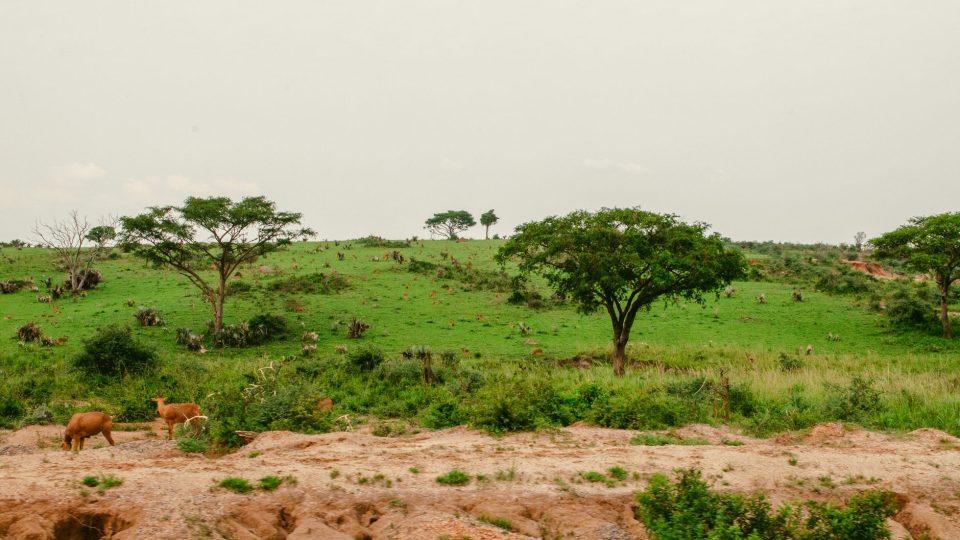
Uganda, often called the “Pearl of Africa”, is a land of stunning biodiversity, warm people, and dramatic landscapes. From the misty heights of the Rwenzori Mountains to the source of the Nile at Jinja, and from the vast savannahs of Queen Elizabeth National Park to the dense jungles of Bwindi, Uganda offers an unparalleled adventure for every traveler. Whether you are tracking mountain gorillas, navigating the bustling streets of Kampala, or exploring the remote Karamoja region, staying connected to reliable mobile internet can significantly enhance your experience.
In today’s digital age, having a dependable internet connection while traveling is not just a luxury; it is a practical necessity. Mobile data allows you to use map applications like Google Maps or OpenStreetMap for navigation, which is essential when driving through national parks or finding your way in cities where street signage can be inconsistent. You can instantly book accommodation on platforms such as Airbnb or Booking.com, compare transport options, and purchase digital tickets for buses or domestic flights. Communication with local guides, tour operators, and accommodation hosts via WhatsApp or email becomes seamless, and you can use translation apps to break down language barriers, as Uganda is home to dozens of local languages alongside English and Swahili.
For digital nomads and remote workers, a stable internet connection opens the possibility of working from lodges with beautiful views of Lake Victoria or from coffee shops in Kampala. Furthermore, in case of unforeseen circumstances—whether it is a health issue, a change in travel plans, or a security concern—immediate access to emergency information, local authorities, and your embassy’s contact details can be critical.
An eSIM provides a convenient and modern way to access mobile data in Uganda. Unlike a traditional physical SIM card, an eSIM is embedded in your device and can be activated remotely, which means you do not have to search for a local SIM vendor upon arrival or risk misplacing your primary SIM. It can be a practical alternative to using your home operator’s international roaming service, which may sometimes involve high charges, though not in every case. While an eSIM may not always be the absolute cheapest option, it offers flexibility, immediate connectivity, and the ability to keep your regular number active for calls and texts without swapping cards. This guide will help you understand the mobile landscape in Uganda and how to make the most of your eSIM while exploring this extraordinary country.
Mobile Internet in Uganda
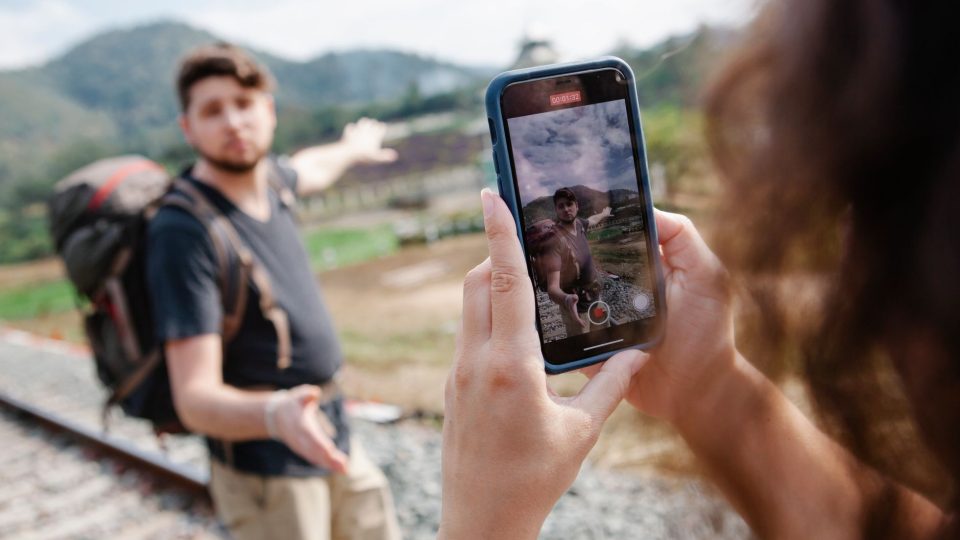
Uganda’s mobile internet infrastructure has improved dramatically over the past decade, driven by private investment and a growing demand for data services. Today, the majority of the urban population enjoys access to 4G LTE networks, which provide speeds sufficient for video calls, streaming, and most online tasks. In Kampala, the capital and largest city, 4G coverage is generally robust, and public areas, hotels, and cafés often have good signal strength. The same holds true for other major towns such as Entebbe, Jinja, Mbarara, Gulu, and Fort Portal, where network operators have focused their infrastructure upgrades.
In rural parts of Uganda, the situation is more variable. While many smaller towns and villages are covered by at least 3G or basic internet, the connection can be slower and less reliable. In extremely remote regions—for instance, the Karamoja sub-region in the northeast, parts of Kidepo Valley National Park, or the slopes of the Rwenzori Mountains—mobile signal may be weak or even absent. Travelers heading to such destinations should anticipate limited connectivity and download offline maps, guides, and essential information before venturing out.
As of now, the major operators have launched limited 5G services in select areas of Kampala, but widespread 5G availability across Uganda is not yet a reality. You should not rely on accessing 5G speeds during your trip, even if your device is compatible. Coverage claims by network operators may be aspirational, and on-the-ground performance can differ significantly. Therefore, it is safest to assume that you will primarily use 4G in cities and large towns, and 3G or slower in more rural locations.
Tourist-focused areas often receive better attention from operators due to the economic benefits of serving international visitors. Popular national parks like Queen Elizabeth, Murchison Falls, and Bwindi Impenetrable Forest may have pockets of coverage at lodges and park headquarters, but connectivity in the bush or during game drives is unreliable. On islands in Lake Victoria, such as the Ssese Islands, coverage is improving but can still be patchy. Indoor coverage in urban buildings constructed with thick concrete or metal can attenuate signals, so stepping outside may help. Additionally, during peak times or large events, network congestion can reduce speeds, as multiple users compete for limited bandwidth.
Many factors influence your actual mobile internet experience: your device’s compatibility with local frequency bands, the specific eSIM plan you choose, the network partner(s) available, the time of day, and even weather conditions. When selecting an eSIM for Uganda, it is important to understand that the provider will likely partner with one or more of the country’s mobile operators, but you may not have automatic access to all of them. The quality of your connection will directly depend on the network operator(s) included in your plan.
Mobile Network Operators
Uganda’s telecommunications market is served by several operators, but two dominant players provide the most extensive coverage and reliable service: MTN Uganda and Airtel Uganda. A third operator, Uganda Telecom Limited (UTL), historically held a significant position but has faced financial and operational challenges, resulting in reduced coverage and uncertainty. Some virtual network operators also exist, but they typically rely on the infrastructure of the larger networks.
MTN Uganda is the largest mobile network operator in the country, with the widest geographical coverage, reaching deep into rural areas. For an eSIM user, plans that partner with MTN generally offer the best chance of connectivity when traveling outside major cities. MTN has invested heavily in 4G and has initiated 5G trials in Kampala, but 5G remains extremely limited. Keep in mind that even with an MTN-partnered eSIM, actual speeds and availability depend on your location and plan specifics.
Airtel Uganda is the second-largest operator and a strong competitor to MTN. Its network is particularly robust in urban and suburban areas, and it provides competitive 4G services. In some locations, Airtel may offer faster data or better indoor penetration than MTN. Many travelers find that having access to both MTN and Airtel networks, either through a single eSIM that supports multiple networks or through backup options, maximizes their ability to stay online.
The eSIM you purchase for Uganda may grant access to one or to both of these major operators. The specific partner network(s) available depend entirely on the eSIM plan you select. Some plans may offer the ability to manually switch between available networks in your device settings, while others may be locked to a single operator. Automatic network switching—where your device seamlessly changes to the strongest signal—is not guaranteed and often depends on the eSIM provider’s configuration and your device’s capabilities. Before purchasing, check the plan details to understand which network(s) you will be using.
5G access is still nascent. Even if an operator has 5G sites, your eSIM plan must explicitly support 5G, and your device must be compatible with the specific 5G bands deployed in Uganda. Virtual operators, including some international eSIM brands, simply resell data from MTN or Airtel, so the underlying network quality remains the same. In any case, always have realistic expectations, and consider keeping a backup connection, such as a local physical SIM, if your travels require uninterrupted connectivity in very remote areas.
Sightseeing in Uganda

Uganda’s diverse attractions make it one of Africa’s most compelling destinations. From the vibrant culture of its capital to the rare wildlife encounters that are the stuff of dreams, the country rewards adventurous spirits. Below is a guide to the must-see sights and experiences, along with practical tips on how mobile internet can enrich your visit.
Cities and Cultural Hubs
Kampala – The chaotic, colorful capital is built on seven hills and offers a mix of modern and traditional. Visit the Uganda Museum for a deep dive into the country’s ethnographic history, the Kasubi Tombs (a UNESCO World Heritage site of the Buganda kingdom), and the bustling Owino Market for a sensory overload. With a good eSIM data connection, you can use ride-hailing apps like Uber or SafeBoda to navigate the city’s notorious traffic, find the best-reviewed restaurants, and translate Luganda phrases on the go.
Entebbe – A relaxed town on the shores of Lake Victoria, home to the international airport, the Uganda Wildlife Education Centre, and beautiful botanical gardens. Use your internet to check flight updates, book lake-facing hotels, and discover local beach spots. Jinja – Known as the adventure capital, Jinja sits at the source of the Nile. White-water rafting, kayaking, and bungee jumping are highlights. Online reservations for these activities are often required, and having mobile data lets you share real-time photos and videos with friends.
National Parks and Wildlife
Uganda’s national parks are its crown jewels. Bwindi Impenetrable Forest is world-famous for mountain gorilla trekking—a once-in-a-lifetime experience that requires advance permits and booking. Data connectivity at the park headquarters can be weak, so it is wise to download all necessary permits and offline maps before arrival. Queen Elizabeth National Park offers classic safari drives, boat trips on the Kazinga Channel, and the tree-climbing lions of Ishasha. Many lodges and camps have Wi-Fi, but having your own mobile data ensures you can keep in touch even in common areas where lodge Wi-Fi may be congested.
In the north, Murchison Falls National Park astounds visitors with the sheer power of the Nile squeezing through a narrow gorge. Boat cruises to the base of the falls are unforgettable. Kidepo Valley National Park, in Uganda’s far northeastern corner, is less visited but offers a raw, remote safari experience. Here, coverage is extremely limited; an eSIM may only work at certain lodges that have private boosters. Kibale Forest National Park is the best place for chimpanzee tracking, and Rwenzori Mountains National Park attracts trekkers aiming for Margherita Peak. In mountainous terrain, signal is often unreliable, so inform someone of your itinerary beforehand using your connection while you still have it.
Lakes, Rivers, and Islands
Lake Victoria, the world’s largest tropical lake, offers the Ssese Islands, an archipelago with sandy beaches and laid-back resorts. Ferries connect the islands, and with internet you can check schedules and book accommodation in advance. The Nile River provides spectacular scenery beyond Jinja, including the Sipi Falls on the slopes of Mount Elgon—a series of three waterfalls perfect for hiking and photography. Streaming a live video of the cascades with a stable 4G connection is a modern luxury, but not always possible in the more remote upper falls areas.
Historic and Spiritual Sites
Namugongo Martyrs Shrine commemorates the Ugandan martyrs and is a significant pilgrimage site, especially on June 3rd each year. Fort Lugard in Kampala offers panoramic city views and a glimpse into colonial history. At these sites, using your eSIM to access detailed historical articles or audio guides can provide context that enhances your visit.
Interesting Facts & Cultural Tips
Uganda is a cultural mosaic with over 56 distinct ethnic groups, each with its own language, customs, and traditions. The largest kingdom, Buganda, remains influential, and its royal tombs at Kasubi are a profound expression of cultural continuity. When traveling, a basic understanding of local etiquette goes a long way. Greetings are important; a handshake is common, and in more traditional settings, kneeling or bowing slightly when greeting an elder is a sign of respect. It is polite to ask before photographing people, especially in rural communities.
Food is a delightful part of the Ugandan experience. Matoke (steamed green bananas) is a staple, often served with groundnut sauce or meat stew. Luwombo is a special dish of meat or fish steamed in banana leaves, traditionally prepared for ceremonies. Street food lovers must try the Rolex—a rolled chapati with eggs and vegetables, widely available from roadside vendors. Using your mobile internet to read up on food safety tips or to find highly rated local eateries on review apps can be helpful. Uganda also has a growing coffee culture; the country produces excellent Arabica and Robusta beans, and visiting a coffee plantation near Mount Elgon or in the Sipi region is a rewarding excursion.
Daily life in Uganda moves at a different pace from many Western countries. Public transport is dominated by matatus (minibus taxis) and boda-bodas (motorcycle taxis). For safety, it’s advisable to use app-based boda-boda services like SafeBoda, which require an internet connection. Traffic jams in Kampala are legendary, so plan your movements with navigation apps that provide real-time updates. The workday often starts early, and many businesses open around 8 a.m. and close at dusk. In the evenings, especially in Kampala, a lively music and nightlife scene thrives, with genres like Afrobeats and local Kadongo Kamu echoing from bars.
Festivals are an integral part of Ugandan culture. The Nyege Nyege Festival, held annually on the banks of the Nile, has gained international fame for its celebration of African electronic music and draws visitors from across the globe. The Bayimba International Festival of the Arts showcases music, dance, and visual arts. Religious festivals such as the Martyrs’ Day celebrations draw huge crowds. If you plan to attend these events, a reliable eSIM connection allows you to share the experience, navigate large festival grounds, and stay in touch with friends.
For off-the-beaten-path exploration, consider the Karamoja region in the northeast, home to the semi-nomadic Karamojong people who maintain traditional lifestyles. The landscape of vast plains and volcanic mountains is breathtaking, but infrastructure is basic, and mobile connectivity is sparse. Downloading offline maps and cultural guides ahead of time is essential. Another lesser-known gem is the Pian Upe Wildlife Reserve, Uganda’s least-visited savannah reserve, where cheetahs roam. Here, an eSIM might struggle, but when it works, it can be a lifeline for emergencies or sudden changes in plans.
eSIM Activation Guide
Setting up your eSIM for Uganda is generally straightforward, but to avoid frustration, it pays to do a few checks beforehand. First, ensure your phone supports eSIM technology—most newer models from Apple, Samsung, Google, and other major brands include eSIM functionality, but it is not universal. Check your device settings or consult the manufacturer’s website. Second, verify that your phone is network-unlocked, meaning it is not tied to a specific carrier. A locked phone will not accept an eSIM from a different provider, leaving you without service.
When you purchase an eSIM plan for Uganda, the provider will typically deliver a QR code and possibly manual activation details via email or through their app. It is best to install the eSIM while you have a stable Wi‑Fi connection—at home before departure or at your hotel upon arrival. Adding the eSIM using the phone’s camera to scan the QR code is the easiest method; alternatively, you can type in the provided SM‑DP+ address and activation code. During installation, the phone may briefly lose connectivity, so do not interrupt the process.
Once installed, the eSIM will appear as a secondary line in your phone’s cellular settings. To use mobile data, you must select the eSIM as your primary data line. Many eSIMs require you to enable data roaming on that line, even if you are in Uganda, because the profile might route data through a foreign carrier’s home network configuration. Without enabling data roaming, internet access may not work. Be careful, however: if your primary physical SIM also has data roaming turned on, your home operator could charge you for data usage, potentially at high rates. It is wise to turn off data roaming on your primary SIM and, for added security, disable automatic switching to prevent the phone from using the wrong line for data.
Keep the QR code and activation information in a safe place, such as a password-protected note app or a printed copy stored separately from your phone. Many eSIM providers allow you to reinstall the same plan only once, while others do not permit reinstallation at all unless a new eSIM is issued. Do not delete an eSIM profile unless you are absolutely certain you no longer need it, or the provider has confirmed that it can be restored. If you inadvertently remove the eSIM, you may lose your data plan permanently.
After activation, if you encounter connectivity problems, a few basic troubleshooting steps can often resolve them. Restart your device, as this forces the phone to re-register on the local network. Check the Access Point Name (APN) settings against those provided by your eSIM provider; sometimes manual configuration is necessary. If the signal is weak or absent, try manually selecting the network from the list of available operators rather than relying on automatic selection—this can be done in your phone’s network settings. Finally, remember that some eSIM plans activate immediately upon installation, while others only begin when your device connects to a supported network in Uganda. Read the plan details to know what to expect, and do not leave activation to the last moment if you require connectivity right when you land.
Ready to travel to Uganda?
Choose your eSIM before departure and connect to mobile internet as soon as you arrive.