









Venezuela eSIM & Travel Guide: Stay Connected Across Diverse Landscapes
Essential travel information, mobile internet advice and useful tips for your journey to Venezuela.
Introduction to Venezuela

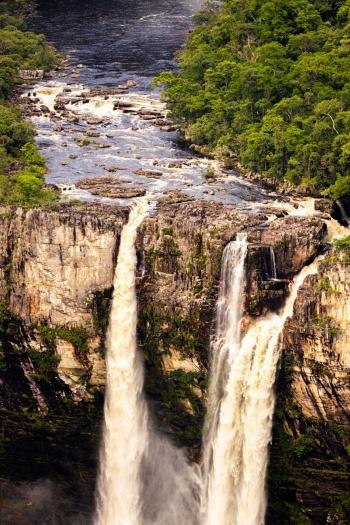
Venezuela captivates visitors with its astounding geographic diversity, from the snow-capped Andes and vast Llanos plains to the Amazon rainforest and over 2,800 kilometers of Caribbean coastline. The country is home to Angel Falls, the world’s highest uninterrupted waterfall, and the vibrant metropolis of Caracas, where colonial history meets modern energy. Adventurers come for Los Roques archipelago’s turquoise waters, while culture enthusiasts explore the colonial streets of Coro and Mérida’s mountain charm.
Navigating this varied terrain requires reliable planning and communication tools. Mobile internet becomes essential for using navigation apps like Google Maps or Waze to traverse unfamiliar cities and remote roads, booking accommodations through platforms such as Airbnb or local posadas, and reserving transport via apps like Yummy Rides. Digital tickets for flights to Canaima or ferries to Margarita Island simplify logistics, while instant messaging keeps you in touch with local contacts. Translation apps help bridge language gaps if your Spanish is limited, and access to emergency information or weather updates adds an important safety layer.
For remote workers and digital nomads, staying connected in cities like Caracas or Valencia allows for a flexible lifestyle, though power and internet stability can vary. An eSIM provides a convenient alternative to swapping physical SIM cards or facing potentially high roaming charges from your home provider. It can be set up before departure, avoiding the need to find a local SIM vendor on arrival. While not always the cheapest option, the flexibility and immediate connectivity often justify the choice for many travelers.
Mobile Internet in Venezuela

Venezuela’s mobile internet infrastructure has improved gradually, but coverage and speeds remain uneven. In major cities such as Caracas, Maracaibo, Valencia, and Barquisimeto, 4G LTE is generally available, supporting common online activities like video calls, social media, and navigation. However, signal strength can dip indoors, particularly in concrete-heavy buildings or underground areas. Public Wi‑Fi hotspots exist in some cafes and hotels, but are not always dependable.
Rural and remote regions present more challenges. The Gran Sabana, Amazonas state, and parts of the Orinoco Delta often have patchy or non‑existent mobile coverage. Popular natural attractions like Canaima National Park (gateway to Angel Falls) may have limited connectivity; internet may be available only at some lodges via satellite or weak mobile signals. The islands of Los Roques and coastal areas generally have basic coverage, but speeds can be slow and outages occur. Mountainous regions, including the Andean zone around Mérida, may suffer from signal shadowing due to terrain.
5G has been announced by operators but is not yet widely deployed. As of early 2025, few areas offer commercial 5G service, and it should not be expected during travel. Network congestion is common during peak hours, holidays, or large events, affecting data throughput. The actual mobile experience depends on your device’s compatibility, the local network partner used by your eSIM, and your specific location. An eSIM plan from a reputable provider can improve connectivity options, but it cannot overcome fundamental gaps in infrastructure.
Mobile Network Operators

Three principal mobile network operators serve Venezuela, along with a few smaller virtual operators. Movistar Venezuela, part of the Spanish Telefónica group, offers the most extensive 4G coverage in urban and many semi‑rural areas and is generally considered the most reliable for data. Digitel, a locally owned company, also provides solid 4G service, with competitive speeds in cities and along the coast. Movilnet, the state‑owned operator, has a wider presence in some remote zones but often struggles with network congestion and lower data speeds.
Virtual operators such as Virgin Mobile Venezuela and others resell network capacity from the major carriers. Their coverage reflects the underlying network, but data priorities may differ. When you purchase a travel eSIM for Venezuela, the provider may partner with one or more of these networks – sometimes only Movistar, sometimes Digitel, and occasionally multiple. The available partner network(s) depend entirely on the specific eSIM plan you select. It is essential to review the plan details to understand which network you will be using.
While some eSIMs allow manual network selection, enabling you to switch between available operators, this feature is not universal. Automatic switching between all networks is not guaranteed. Additionally, 5G access depends on plan, device, and network availability; most travel eSIMs still connect via 4G. Understanding these limitations helps set realistic expectations and choose the best plan for your itinerary.
Sightseeing and Travel Highlights

Venezuela’s landscapes deliver unforgettable experiences. Begin in Caracas, where the Plaza Bolívar, the National Pantheon, and the Museum of Contemporary Art anchor the historic center. Ride the Teleférico de Caracas to the top of El Ávila for panoramic views. The city’s culinary scene, from street arepas to fine dining, is best explored with real‑time reviews and maps, easily accessed via mobile data.
Angel Falls in Canaima National Park is a must. Reached by a flight to Canaima camp and a river trip, the remote location means connectivity is sparse—download maps and guides in advance. Los Roques archipelago beckons with powdery beaches and world‑class snorkeling; eSIM connectivity on the main island of Gran Roque allows you to share photos and check weather, though signal fades on outer cays.
Margarita Island offers duty‑free shopping and beaches like Playa El Agua, with generally good mobile coverage along developed resorts. Mérida, high in the Andes, is the base for the world’s highest cable car, the Mukumbarí, and outdoor adventures. The colonial city of Coro and its nearby Médanos (dunes) present a UNESCO site reachable with navigation help. Morrocoy National Park’s cayos are best visited with a boat tour, and staying connected helps confirm departure times.
Having mobile internet while sightseeing lets you pull up historical context on the go, translate signs, and adjust your itinerary when plans change. It also means you can instantly book an unexpected excursion or contact your accommodation if you’re delayed. In a country where tourism infrastructure can be unpredictable, a reliable connection is a significant asset.
Interesting Facts and Cultural Insights

Venezuelan culture is a vibrant fusion of Indigenous, Spanish, African, and Caribbean influences. Music is everywhere: the fast‑paced harp‑led joropo from the plains, salsa and merengue in urban clubs, and gaita Zuliana during the Christmas season. The national dish, pabellón criollo, pairs shredded beef, black beans, rice, and fried plantains, while arepas – grilled cornmeal patties – are the daily bread for millions. Hallacas, labor‑intensive corn dough parcels filled with a meat stew, are the centerpiece of December gatherings.
Major festivals light up the calendar. Carnival transforms El Callao into a spectacle of colorful parades and drumming rooted in African traditions. The Feria de la Chinita in Maracaibo honors the Virgin of Chiquinquirá with processions and live music. Easter Week sees religious re‑enactments across the country. In daily life, Venezuelans greet with a warm handshake or a kiss on the cheek, and politeness is valued; starting conversations with a “buenos días” is customary even in shops.
Transport habits vary: Caracas boasts a modern metro, while classic American sedans still roam the streets as taxis. In rural areas, the notorious “perreras” (shared jeeps) fill gaps. A practical tip: carry cash (preferably US dollars) in small denominations, as card payments can be hit‑or‑miss, and reliance on mobile payment apps requires a steady connection. Lesser‑known wonders like the tepui mountains of the Gran Sabana or the almost continuous lightning storms over Lake Maracaibo (Catatumbo phenomenon) add to the country’s allure. Respect local sensitivities by asking permission before photographing people, and avoid discussing controversial politics.
eSIM Installation and Activation Guide

Before purchasing an eSIM for Venezuela, verify that your smartphone supports eSIM technology (iPhone XS or newer, many recent Google Pixel, Samsung Galaxy S20 series and later, and other brands) and is network‑unlocked. Contact your home carrier if you are unsure about the lock status. A locked device will not accept an eSIM from another provider.
Installation typically involves scanning a QR code or entering manual SM‑DP+ details provided by your eSIM vendor after purchase. Perform this step while connected to a stable Wi‑Fi network, ideally before departure or at your accommodation. On most devices, you will find the option under Settings > Cellular/Mobile > Add eSIM. Follow the on‑screen instructions to download the profile. Once added, assign a descriptive label to differentiate it from your primary SIM.
Configure the eSIM for mobile data by selecting it as your data line. Depending on the plan, you may need to enable data roaming in your device settings specifically for the eSIM—many travel eSIMs use roaming even within Venezuela. To avoid unexpected charges on your primary SIM, switch off its data roaming and, if possible, disable automatic network selection. Keeping your primary line active only for calls and SMS (if needed) can prevent background data from triggering roaming costs. Some plans activate immediately upon installation, while others initiate only when connecting to a supported Venezuelan network. If you encounter issues, try restarting the device, checking that the APN settings match the provider’s instructions, or manually selecting the correct partner network. Do not delete the eSIM profile unless the provider confirms it can be reinstalled, as many eSIMs are single‑use and non‑transferable. Always keep the QR code and activation details stored securely until your trip ends.
Ready to travel to Venezuela?
Choose your eSIM before departure and connect to mobile internet as soon as you arrive.