












Essential eSIM & Travel Guide for the Maldives
Essential travel information, mobile internet advice and useful tips for your journey to Maldives.
Introduction to the Maldives
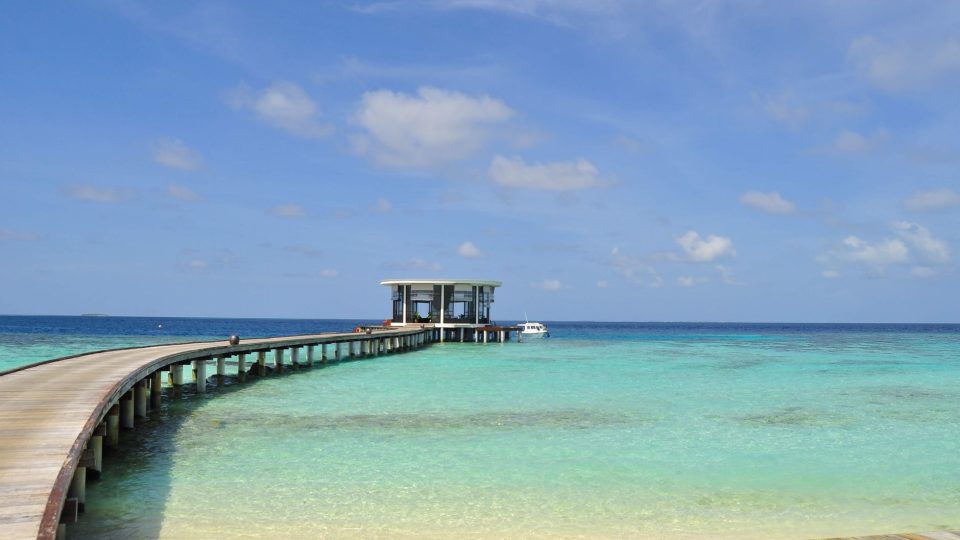
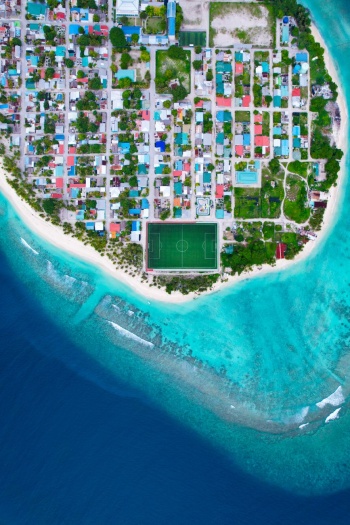
Maldives, an archipelago nation in the Indian Ocean, is synonymous with overwater bungalows, turquoise lagoons, and pristine white-sand beaches. Comprising 26 atolls and over 1,000 coral islands, the country offers a paradise for honeymooners, divers, and sun-seekers alike. While its remote geography is part of the allure, staying connected during your trip has become increasingly important for modern travel. Reliable mobile internet allows visitors to navigate between islands using maps and ride-hailing apps in Malé, confirm resort transfers and seaplane schedules, manage booking confirmations for excursions and dining, keep in touch with family through messaging apps, and even translate Dhivehi phrases when interacting with locals. Digital boarding passes for domestic flights, mobile payments at larger resorts, and access to emergency assistance or weather alerts are all made simpler with a stable data connection. For those blending work with a tropical escape, a dependable internet link can be essential for staying productive.
An eSIM offers a practical way to access local data networks without swapping a physical SIM card or relying on potentially costly home-operator roaming. While not always the cheapest option, it eliminates the need to find a local SIM vendor upon arrival, allows you to set up service before departure, and often provides flexible data packages suited to short stays.
Mobile Internet in the Maldives

Mobile internet in the Maldives is widely available across inhabited islands and resort areas, though the experience can vary between the densely populated capital and the more secluded atolls. 4G/LTE coverage is the backbone of connectivity, with operators having invested in expanding their networks to cover most tourist destinations. 5G has been introduced in certain urban zones, particularly in Malé and Hulhumalé, but widespread 5G coverage across the outer islands is still evolving and cannot be guaranteed. Travelers should note that while many resort islands offer good coverage, some of the most remote private islands may have weaker signals or rely on limited base stations, potentially affecting data speeds. Indoor coverage is generally reliable within hotels and resorts, but thick-walled buildings or overwater villas located far from the main island might experience signal attenuation. In crowded areas such as the airport or ferry terminals, network congestion can occur during peak hours, especially when many users are connecting simultaneously. Factors like weather conditions, distance from cell towers, and the specific spectrum bands supported by your device may also influence performance. It is important to understand that actual coverage, speed, and network reliability depend on your location, device compatibility, and the eSIM plan you choose, as different plans may have access to different partner networks and technologies.
Local Mobile Operators
The Maldives has two principal mobile network operators that provide the majority of telecom services across the nation: Dhiraagu and Ooredoo Maldives. Dhiraagu, the older of the two, operates an extensive network and has been a pioneer in introducing new technologies, including early 5G trials in Malé. Ooredoo Maldives, a subsidiary of the international Ooredoo Group, also offers comprehensive coverage and competitive data services. Both companies serve the entire population and major resort areas with 4G, and they continue to invest in infrastructure. When you purchase an eSIM for the Maldives from a travel connectivity provider, the underlying service typically uses one or both of these partner networks. The specific network available to you depends on the plan you select; some plans may offer access to only one operator, while others might include both. Manual network selection might be available on your device, but it is not guaranteed for every eSIM product. Similarly, 5G access is conditional on your eSIM plan supporting it, your device being 5G-capable, and the network having active 5G coverage at your location. Keep in mind that your phone will not automatically switch between operators unless the eSIM profile and your phone settings allow it; in many cases, the connection remains with the initial network detected. There are no major virtual operators, as the two main networks form the backbone of connectivity in the country.
Top Attractions & Sightseeing
The allure of the Maldives extends far beyond its luxurious resorts, inviting exploration of its cultural, natural, and underwater wonders. The bustling capital, Malé, is one of the world’s most densely populated cities and offers a stark contrast to the tranquil islands. Here, visitors can explore the National Museum, housed in the former Sultan’s Palace, which displays royal artifacts and pre-Islamic history. Nearby, the Grand Friday Mosque, with its golden dome and Islamic Centre, dominates the skyline and welcomes respectful visitors outside prayer times. The fish market and local market provide a sensory feast of fresh catches, tropical fruits, and handmade crafts.
Stretching out from Malé, the artificial island of Hulhumalé is a modern urban development with a long beachfront promenade ideal for cyclists and leisurely strolls. For a more traditional atmosphere, take a ferry to Villingili, a quieter residential island with local eateries and a slower pace.
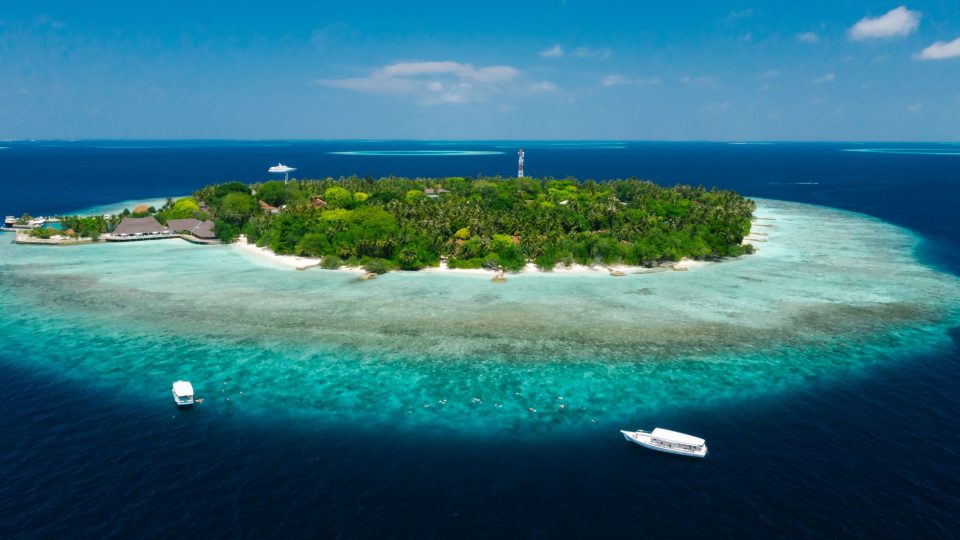
The real star of Maldivian tourism is, of course, the marine environment. The country’s 26 coral atolls create a haven for snorkeling and scuba diving, with sites like Banana Reef and the South Ari Atoll offering encounters with manta rays, whale sharks, and sea turtles. Many resorts organize dolphin-watching sunset cruises, night fishing, and glass-bottom boat tours. Beyond the water, uninhabited islands - known as picnic islands - can be visited for a castaway experience, complete with barbecues and beachcombing. Surfers flock to the North Malé Atoll for consistent breaks, while kiteboarders find ideal conditions on certain lagoons.
Using mobile internet during sightseeing is practical: you can download offline maps of Malé’s narrow streets, arrange last-minute transfers via resort apps, share live dive photos with a travel eSIM, or translate restaurant menus in local cafes. Booking excursions online often yields better prices and ensures availability during peak season.
Interesting Facts & Local Culture

Maldivian culture is a rich blend of influences from South Asia, Africa, and the Arab world, rooted in Islam since the 12th century. The official language is Dhivehi, an Indo-Aryan language with its own script, Thaana, written from right to left. While English is widely spoken in tourist areas, learning a few Dhivehi greetings like “Assalaamu Alaikum” (peace be upon you) is appreciated.
The cuisine revolves around the ocean: tuna, reef fish, and lobster are staples, often seasoned with coconut, chili, and curry leaves. A must-try dish is Garudhiya, a fragrant fish broth served with rice, lime, and chili. Hedhikaa, or short eats, includes savory pastries filled with fish or vegetables, available at local tea shops. On resort islands, international buffets are common, but local fare is increasingly featured.
Social life follows Islamic customs. Alcohol is only legally served on resort islands and designated safari boats, not on inhabited local islands. Dress codes on local islands advise covering shoulders and knees, especially when visiting mosques or government buildings. Public observance of Ramadan means that eating, drinking, or smoking in front of Muslims during daylight hours should be avoided if you are on a local island.
The Maldivian calendar includes Eid festivals, Independence Day on July 26, and the lively Maldivian New Year with traditional Boduberu drumming and dancing. Transport between islands is an adventure in itself: traditional wooden dhoni boats coexist with sleek speedboats and seaplanes. Many Maldivians rely on ferries for daily commuting, while tourists often use private transfers.
For a deeper cultural immersion, consider visiting islands like Mahibadhoo or Fulhadhoo, where guesthouses allow a budget-friendly and authentic stay, supporting local communities. Always ask permission before photographing people, and remove shoes before entering homes or mosques.
Activating Your eSIM
Getting your Maldives eSIM ready for travel involves a straightforward process that can be completed before you leave home or upon arrival, provided you have Wi-Fi access. First, confirm that your smartphone supports eSIM functionality; most recent models from Apple, Google, Samsung, and others include eSIM, but checking the manufacturer’s specifications is wise. Additionally, ensure your device is network-unlocked, meaning it can accept a different carrier’s SIM or eSIM profile.
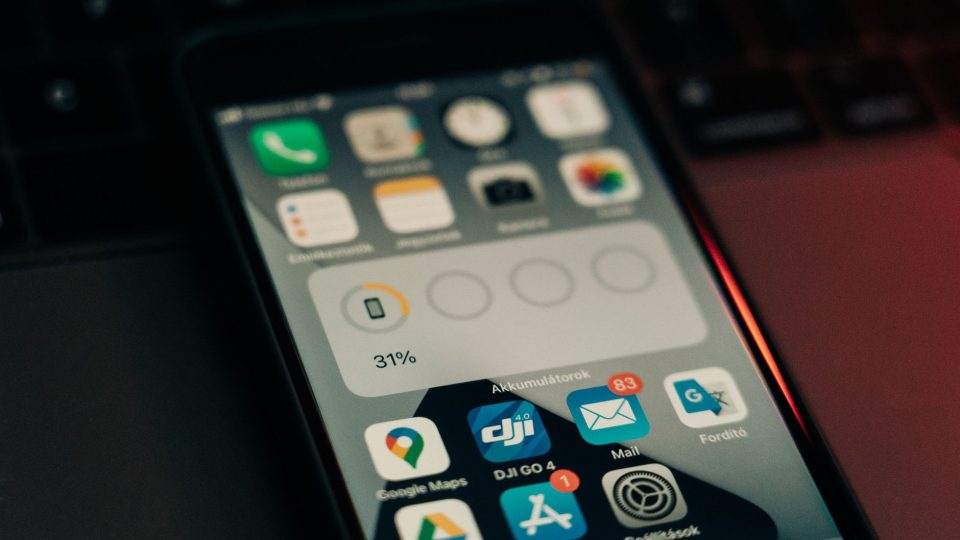
Once you purchase a plan, you will typically receive a QR code via email or in the provider’s app. You can install the eSIM by going to your phone’s cellular or mobile data settings and selecting “Add eSIM” or “Add Data Plan,” then scan the QR code. Alternatively, some providers offer manual installation details, including an SM-DP+ address and activation code that can be entered manually. It is recommended to perform the installation while connected to Wi-Fi, as the profile needs to download carrier settings.
After installation, label the eSIM clearly (e.g., “Maldives Travel”) to distinguish it from your primary SIM. Set the eSIM as the default line for mobile data and, if required by the provider, enable data roaming on that line—many eSIMs for the Maldives need this toggled on. To avoid unexpected charges, disable data roaming on your primary SIM and consider turning off automatic data switching if your phone supports dual SIM.
Activation timing varies: some eSIM plans activate immediately upon installation, while others only activate when your device first connects to a supported local network in the Maldives. Keep the QR code and activation correspondence in a secure place; do not delete the eSIM unless your provider confirms it can be reinstalled, as many eSIMs are one-time use.
If you encounter connectivity issues after arriving, try restarting your device, double-checking that the APN settings match those provided by the eSIM supplier, or manually selecting one of the available networks in the carrier settings. Patience is key, as initial network registration may take a few minutes in remote areas.
Ready to travel to Maldives?
Choose your eSIM before departure and connect to mobile internet as soon as you arrive.