













Thailand eSIM and Travel Guide: Stay Connected Across the Land of Smiles
Essential travel information, mobile internet advice and useful tips for your journey to Thailand.
Introduction to Thailand and Why Mobile Internet Matters

Thailand, known as the Land of Smiles, is a captivating destination that blends ancient temples, bustling cities, tropical beaches, and rich culinary traditions. From the vibrant streets of Bangkok to the serene mountains of Chiang Mai and the crystal-clear waters of the Andaman Sea, visitors are spoiled for choice. In today's connected world, having reliable mobile internet can significantly enhance your travel experience, helping you navigate unfamiliar streets, book accommodation on the go, and stay in touch with friends and family.
Whether you need to use ride-hailing apps like Grab, translate Thai menus with a translation app, or share your adventures in real time on social media, a stable mobile connection is invaluable. Moreover, accessing maps for navigating Bangkok's maze of sois (alleys) or finding the best street food stall can save time and reduce stress. For digital nomads, Thailand offers countless cafes and coworking spaces with good Wi-Fi, but a personal mobile hotspot via an eSIM can provide a reliable backup for those crucial video calls or deadlines.
An eSIM is a modern alternative to traditional physical SIM cards or expensive roaming packages from your home carrier. While it may not always be the cheapest option depending on your usage, it offers convenience: you can purchase and activate a data plan before you even arrive, avoiding the hassle of finding a local SIM vendor. It also allows you to keep your primary SIM active for calls and texts while using the eSIM for data, provided you manage your settings carefully to avoid unexpected roaming charges. In this guide, we'll explore everything you need to know about staying connected in Thailand with an eSIM.
Mobile Internet Landscape in Thailand
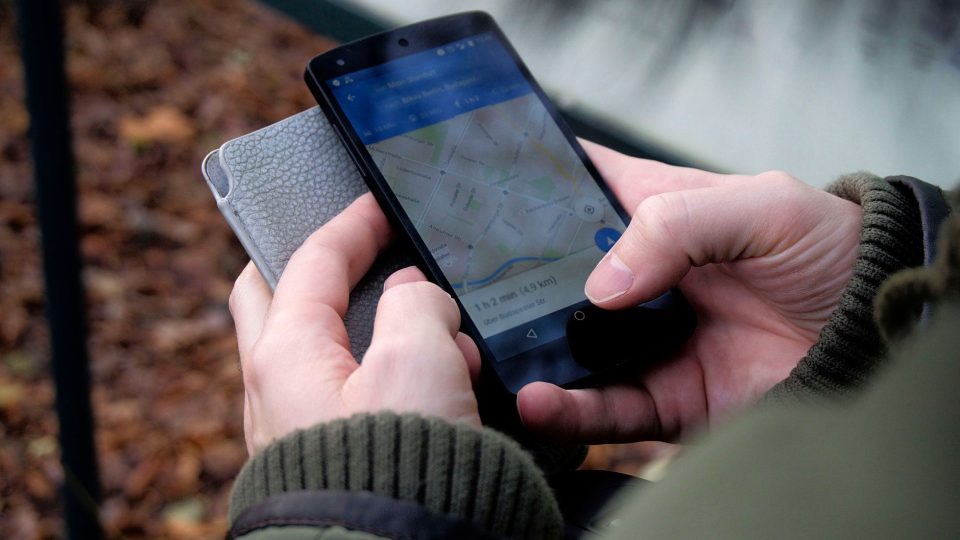
Thailand's mobile network infrastructure is well-developed, particularly in urban and tourist-centric areas. In major cities like Bangkok, Chiang Mai, Pattaya, and Phuket, 4G LTE coverage is extensive and reliable, ensuring smooth streaming, browsing, and app usage. The rollout of 5G has been progressing, with leading operators offering 5G services in parts of these cities, but widespread blanket 5G coverage is not yet a reality across the entire country. Your ability to access 5G will depend on your specific eSIM plan, your device's compatibility, and your location at any given moment.
As you venture beyond the city centers, the coverage picture shifts. Rural areas, particularly in the mountainous north around places like Pai or remote villages, may experience spottier signals, with some pockets having only 3G or even 2G connectivity. Similarly, while popular islands like Koh Samui, Koh Phangan, and Koh Phi Phi generally have decent coverage, more secluded beaches or smaller islands might offer weaker signals. If you plan to explore national parks such as Khao Yai or Doi Inthanon, be prepared for potential dead zones in deep forested areas or high elevations.
Indoor coverage is typically good in hotels, shopping malls, and restaurants, but thick concrete walls in some older buildings or high-rise condos can attenuate signals. During peak times or at crowded events—like the Songkran water festival or full moon parties—network congestion can slow data speeds. Factors such as weather, network load, and your device's antenna quality also influence performance. Remember, your actual experience will vary based on the eSIM plan you choose and the partner network it connects to. Always check the coverage maps provided by your eSIM provider, but understand that these are approximations and real-world results may differ.
Thailand's Mobile Network Operators

Principal Mobile Networks in Thailand
Thailand's telecommunications market is dominated by three main mobile network operators, all of which provide extensive nationwide coverage and have invested heavily in 4G and 5G infrastructure. When you purchase an eSIM for Thailand, your data will typically be routed through one of these networks, depending on the eSIM provider's agreements.
AIS (Advanced Info Service) is the largest operator in terms of subscriber base and is often praised for having the most extensive coverage, particularly in rural and remote areas. AIS has been at the forefront of 5G deployment and offers high-speed data in many urban locations. If your eSIM connects to AIS, you can expect reliable connectivity in most parts of the country, though speeds and access to 5G will depend on your specific plan.
TrueMove H, a subsidiary of the True Corporation, is another major player with a strong presence in Bangkok and other urban centers. TrueMove H boasts widespread 4G and growing 5G availability, often providing excellent speeds in city environments. They are known for their extensive Wi-Fi hotspot network, which can be a bonus if your eSIM plan includes Wi-Fi access (though this is not common for pure data eSIMs).
dtac (Total Access Communication) is the third-largest operator and offers competitive services with robust coverage in tourist hotspots and urban corridors. dtac has also rolled out 5G, but its coverage footprint may not be as broad as AIS or TrueMove H in very remote areas. Nonetheless, for most travelers, dtac provides a satisfactory internet experience.
Your eSIM provider may offer a plan that connects to a single network, or it might provide access to multiple networks, allowing your device to switch. However, automatic switching is not guaranteed and may require manual selection in your device's settings. The availability of network switching depends on both the eSIM plan and the operator's roaming agreements. Additionally, virtual mobile operators (MVNOs) exist in Thailand, leasing infrastructure from these main carriers, but it is less common for travel eSIMs to use them. Always check which network(s) your eSIM plan uses before purchasing to ensure it aligns with your itinerary.
Sightseeing in Thailand: Must-Visit Destinations

Thailand is a treasure trove of sights and experiences, from glittering temples to pristine beaches. In Bangkok, the capital, start with the Grand Palace, a sprawling complex that was once the royal residence. Within its grounds, Wat Phra Kaew houses the revered Emerald Buddha. Nearby, Wat Pho features the enormous Reclining Buddha, and a short ferry ride across the Chao Phraya River takes you to Wat Arun, the Temple of Dawn. Using your mobile internet, you can easily check opening hours, book skip-the-line tickets online, and navigate the city's river ferries to avoid traffic.
Head north to Chiang Mai, the cultural heart of the Lanna kingdom. Explore the Old City's moat and gates, and visit the sacred Doi Suthep temple perched on a mountain overlooking the city. The Sunday Walking Street market is a must for local crafts and street food. With Google Maps, you can plot a walking route to dozens of temples or find the best khao soi (a northern curry noodle dish) on the go. From Chiang Mai, you can venture into the rolling hills of Pai or go trekking to hill tribe villages, where having offline maps downloaded ahead of time is wise due to patchy coverage.
For beach lovers, the southern islands and coasts are paradise. Phuket, Thailand's largest island, offers everything from bustling Patong Beach to quieter raw beauty in the north. Krabi's Railay Beach, accessible only by boat, is famous for its dramatic limestone cliffs. On the Gulf side, Koh Samui, Koh Phangan, and Koh Tao are popular for relaxation, parties, and diving, respectively. Real-time weather apps can help you plan island-hopping trips, and booking ferry tickets online ensures you won't get stranded during peak season.
Don't miss the historical parks of Ayutthaya and Sukhothai, both UNESCO World Heritage sites, where ancient ruins tell the story of Siam's glorious past. Use your eSIM to rent a bicycle via an app or to look up historical information through an audio guide. Nature enthusiasts will appreciate Khao Yai National Park, home to waterfalls and wild elephants, where a data connection can help with park maps and emergency contact. Throughout your journey, a reliable internet connection transforms your smartphone into a versatile travel companion.
Interesting Facts and Cultural Insights

Thailand's culture is a vibrant mix of ancient traditions, Buddhist practices, and modern influences. One of the first things you'll notice is the wai—a graceful bow with palms pressed together, used as a greeting, a thank you, or to show respect. It's polite to return a wai, especially from someone older or of higher status. Shoes are removed before entering homes, temples, and even some shops, so look for piles of footwear as a cue.
Thai cuisine is a global favorite, and sampling it at its source is a highlight. Street food is ubiquitous, with dishes like pad Thai, som tum (green papaya salad), and mango sticky rice available at nearly every corner. Each region has its specialties: the fiery salads and grilled meats of Isaan (northeast), the rich coconut-based curries of the south, and the herbaceous soups of the north. Using a translation app to decipher a menu or a food review site to find the best local stall makes the culinary adventure easier.
Two festivals stand out: Songkran (Thai New Year in April) is a nationwide water fight that's both joyous and chaotic—protect your phone and electronics. Loy Krathong, usually in November, sees thousands of candlelit floats released on rivers and lakes, creating a magical spectacle. During these times, mobile networks can get congested, so patience is key.
Getting around Thailand involves a mix of modern and quirky transport. In cities, tuk-tuks and songthaews (shared red trucks) are convenient for short distances; always agree on a fare before hopping in. For intercity travel, trains and buses are available, and booking apps can simplify the process. Remember that Thais value calmness and avoiding confrontation—losing your temper, or “losing face,” is frowned upon. Dressing modestly at temples (covering shoulders and knees) shows respect. With these insights, you'll navigate Thai culture with ease, and your internet connection can help you look up etiquette on the fly.
How to Activate Your Thailand eSIM
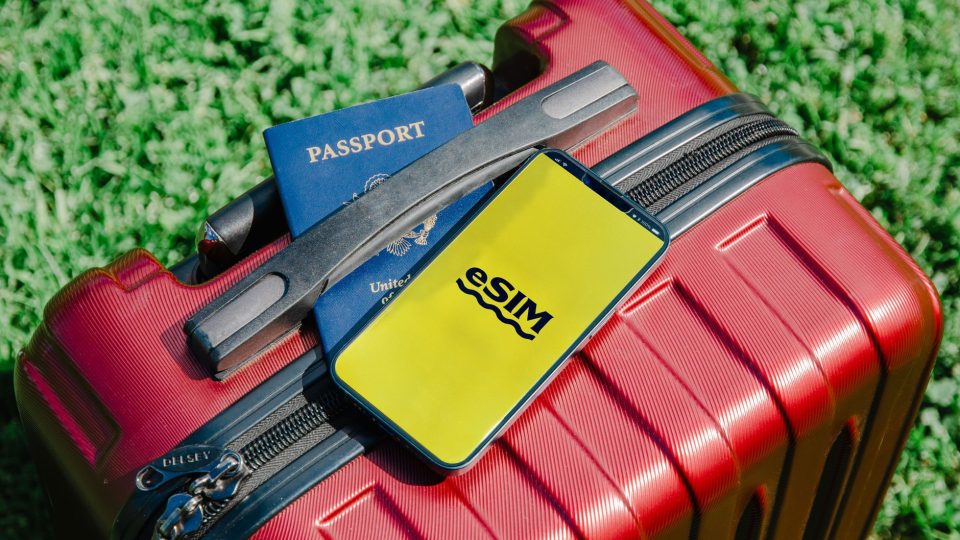
Activating an eSIM for your trip to Thailand is straightforward, but it's important to follow the steps carefully to avoid issues. First, ensure your device is eSIM-compatible and network-unlocked. Most recent smartphones—such as the iPhone XS/XR and later, Google Pixel 3 and later, and many recent Samsung Galaxy models—support eSIM. Contact your home carrier if you're unsure about the unlock status. It's also wise to verify with your eSIM provider that your specific device model is supported.
Purchase your Thailand eSIM plan and you'll typically receive a QR code via email or through the provider's app. Before installing, connect to a stable Wi-Fi network, as you'll need internet access to download the eSIM profile. Go to your device's settings: on an iPhone, navigate to Settings > Cellular > Add eSIM (or Add Cellular Plan), then scan the QR code. On Android, the path may vary but is similar under Network & Internet or Connections. You may also have the option to enter activation details manually if the QR code doesn't work. Label the new line something recognizable like “Thailand eSIM” to avoid confusion.
Once installed, configure your settings carefully. Set the eSIM as your default line for mobile data. Keep your primary SIM active for calls and messages if needed, but turn off data roaming on that line to prevent accidental international roaming charges. Some eSIM plans require you to enable data roaming on the eSIM itself—check the instructions from your provider. Note that activation timing can vary: some eSIMs activate as soon as they are installed, while others only connect when you arrive and your device registers on a supported network in Thailand. If you don't get a signal right after landing, go to Settings > Cellular > Network Selection, and try manually selecting a partner network from the list.
Keep your QR code and activation details safe in case you need to reinstall. Be aware that not all eSIMs can be reinstalled once deleted; only remove the eSIM if your provider confirms it's possible. Common troubleshooting steps include restarting your device, double-checking that the APN settings match what your provider recommends (an APN might need to be entered manually), and ensuring airplane mode is off. With these steps, you'll be connected and ready to explore Thailand.
Ready to travel to Thailand?
Choose your eSIM before departure and connect to mobile internet as soon as you arrive.